
Yakuza Graveyard (1976)
★★★½ — Yakuza Graveyard (1976)

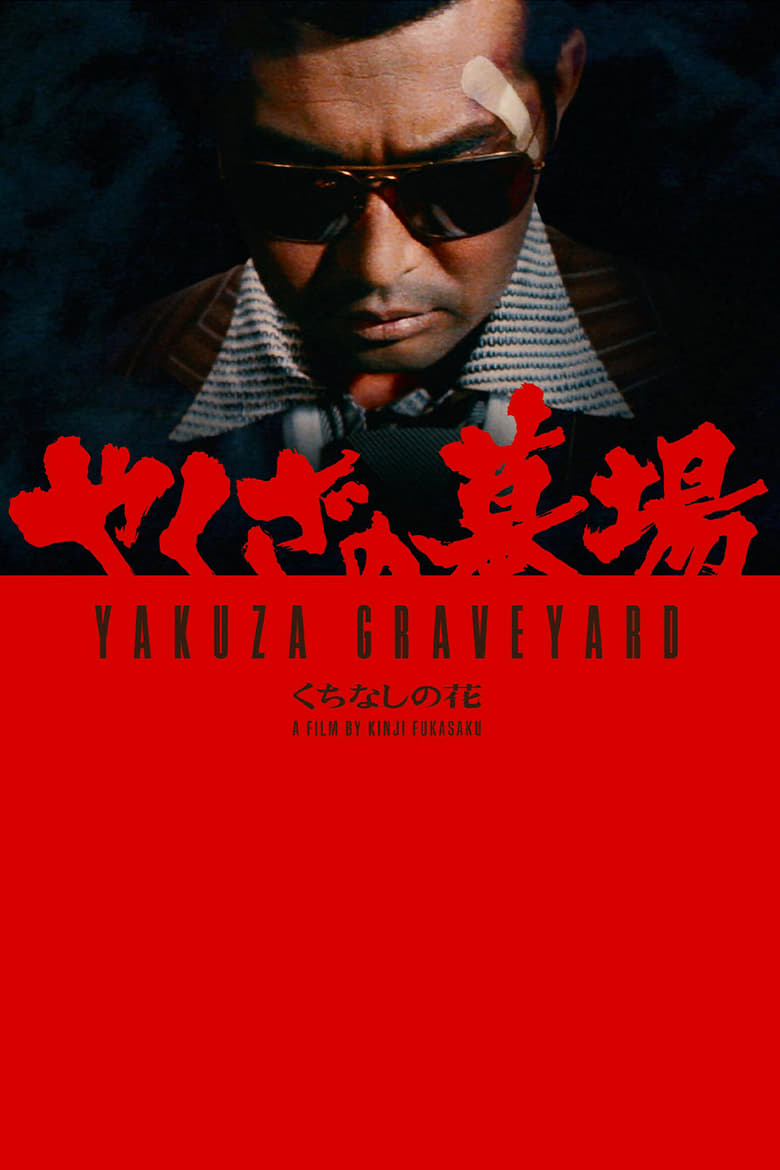
There's a moment in Yakuza Graveyard where you realise the cop at the centre of it all isn't really a cop at all, not in any meaningful moral sense. He's just another player in the same corrupt game, wearing a badge instead of a pin-stripe. That's the world Kinji Fukasaku builds here, and he builds it brilliantly.
This is Fukasaku in top form. The film pulses with street-level authenticity, the kind that feels genuinely lived-in rather than art-directed. Tetsuya Watari plays Detective Kuroiwa, a man who operates deep in the grey space between law and crime, playing rival yakuza factions against each other while nursing his own idiosyncratic code of honour. It's a performance of real world-weary stoicism. He doesn't grandstand. He just exists in this world like he's always been there, which in a way is exactly the point.
The plot twists and turns through betrayals, shifting alliances, and eruptions of sudden, ugly violence. Fukasaku shoots it all with his signature handheld urgency, that documentary-like restlessness that makes everything feel ripped from real life rather than staged for the camera. It's raw and cynical and steeped in post-war disillusionment. Nobody here is clean. Nobody is redeemed. The system isn't broken, it just works exactly as intended, grinding people up regardless of which side of the law they're on.
The aesthetic alone is worth your time. The sharp suits, the wide lapels, the smoky bars and rain-slicked alleyways. Watching this, I kept thinking about the Yakuza video game series from Sega, specifically how obvious it is that this film and others like it form the visual and moral DNA of those games. Every tense negotiation, every blood-splattered back-street confrontation, every honour-bound criminal making a decision he knows will cost him dearly. It's all there. If you've ever lost hours wandering Kamurocho, you'll feel the connection immediately and viscerally.
The action is brutal and efficient, never glamorised. The performances across the board are strong, but it's the faces that stay with you. Weary, weathered, lived-in faces that tell you everything about the kind of compromises these characters have made just to get to where they are. The locations have that same quality. Nothing feels like a set. It all feels like somewhere that already existed before the cameras arrived.
Where the film sits in Fukasaku's wider body of work is interesting. It doesn't quite reach the frenzied heights of the Battles Without Honour and Humanity series, but it's a solid, deeply satisfying entry in the jitsuroku (true account) tradition, the yakuza film as quasi-documentary chronicle of post-war Japanese society. The genre was a vehicle for genuine social criticism, and Fukasaku never lets you forget that. The corruption isn't just personal, it's structural. Kuroiwa isn't a bad apple in a good barrel. He's just honest enough to admit what the barrel actually contains.
For anyone interested in Japanese genre cinema more broadly, I'd also point you towards The Ghost of Yotsuya (1959), which explores similar themes of honour, betrayal and moral rot in a completely different register, and it's a fascinating companion piece to this kind of material.
Three and a half stars.
Yakuza Graveyard is gritty, stylish, and satisfyingly nasty. For fans of Japanese noir, or anyone curious about where so much of modern crime fiction in Japanese pop culture actually comes from, this is essential viewing. Don't let the 1976 vintage put you off. It hasn't aged a day in the ways that matter.
Rating: ★★★½ | Year: 1976 | Watched: 2026-03-29
Where to watch
Watch in the UK
Rent: Amazon Video
Buy: Amazon Video
Physical: Amazon UK · Zavvi
Watch in the US
Stream: Philo · Night Flight Plus · Fandor Amazon Channel · FlixFling
Rent: Amazon Video · Fandango At Home · FlixFling
Buy: Amazon Video · Fandango At Home
Physical: Amazon US
Affiliate disclosure: Movies With Macca may earn a small commission on purchases or subscriptions started via these links. It costs you nothing extra.
Related on Movies With Macca
More from Kinji Fukasaku: Battle Royale (2000) · Battle Royale II: Requiem (2003)
More from Japan: Mononoke the Movie: The Phantom in the Rain (2024) · Mononoke the Movie: Chapter II - The Ashes of Rage (2025) · Blue (1993) · The Ghost of Yotsuya (1959)
More from the 1970s: Fantastic Planet (1973) · Here and Elsewhere (1976) · Italianamerican (1974) · Punishment Park (1971)
More action: A Better Tomorrow (1986) · The General (1926) · Hand of Death (1976) · Daredevil (2003)
More crime: A Better Tomorrow (1986) · Angst (1983) · Stolen Face (1952) · Cairo Station (1958)



