Hand of Death (1976)
★★★ — Hand of Death (1976)

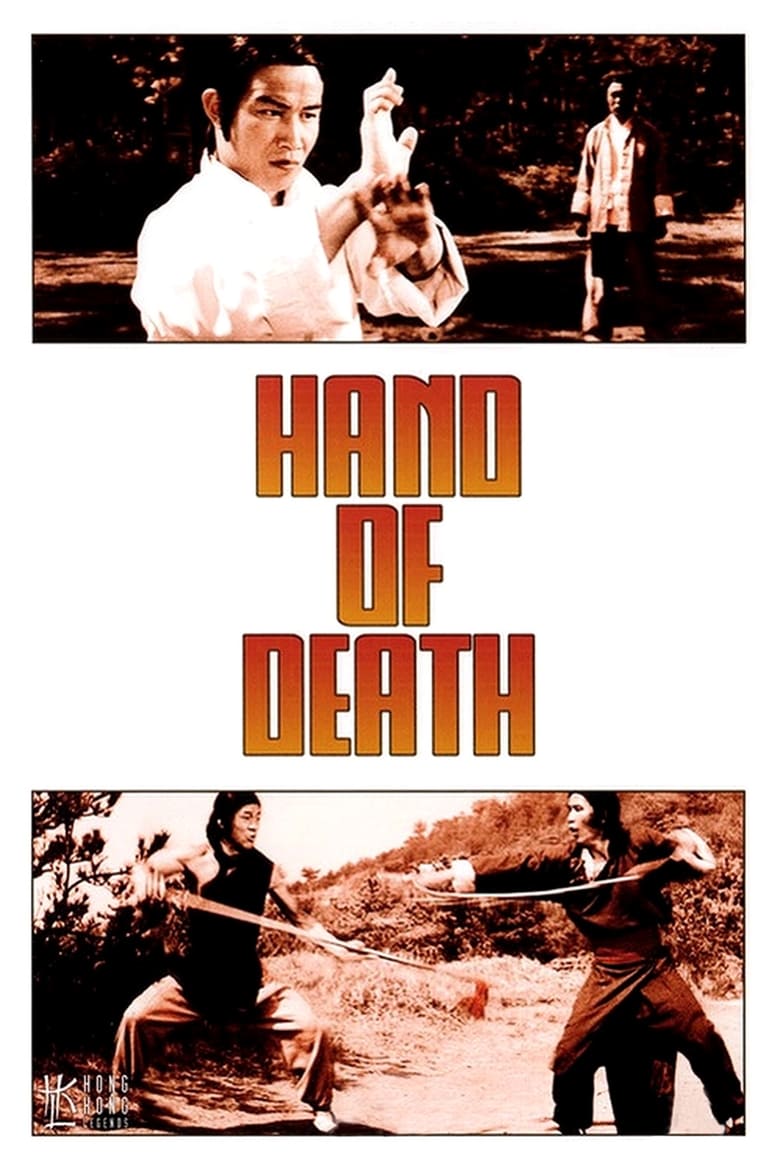
There's a specific kind of pleasure in watching a director find their feet, especially when that director turns out to be John Woo. Hand of Death is early, rough around the edges, and frankly not that interested in telling a complicated story. But when it gets out of its own way and lets people hit each other, it's genuinely good fun, and that counts for a lot.
The setup is about as lean as it gets. A group of rebels during the Qing Dynasty need to bring down a Manchu warlord who fights with what amounts to a supernatural death touch. There's your film. Don't go in expecting political complexity or rich characterisation, because the story exists almost entirely to shuffle people into position for the next fight. The characters are archetypes in the most literal sense: the determined hero, the comic ally, the terrifying villain. That's roughly it. And you know what? For a wuxia revenge picture, that's fine. It's the scaffolding, not the building.
The building is the fight choreography, and that's where Hand of Death earns its keep. Even at this stage of his career, Woo has a clear sense of space and rhythm. He doesn't chop the action into fragments and hope the audience keeps up. He lets the camera sit back, lets the bodies move, and trusts that the choreography itself is interesting enough to watch. Which it is. There are acrobatic duels, weapon skirmishes, and group brawls that still feel physical and inventive nearly fifty years on. You can feel the weight of it, the contact. It doesn't rely on editing tricks to generate excitement.
Then there's Jackie Chan, who turns up in a supporting role before he became the Jackie Chan the world knows. He's not the lead here and he's not yet doing the extraordinary stunt work that would define him later, but the charisma and the agility are already there, flickering through in every scene he gets. There are moments where you can see exactly what he was going to become, and it gives the film an odd kind of retrospective thrill. I'd put it alongside Rumble in the Bronx as a film where watching Chan do anything physical is simply more entertaining than the surrounding material deserves.
Where the film wobbles is everywhere that isn't a fight. The villain's near-invincibility is played so straight that it tips into silliness at points, and there's a real pacing problem in the stretches between set pieces, where the film seems to lose confidence in itself. The emotional stakes are minimal, the quieter scenes are functional at best, and nothing here subverts or complicates the genre conventions it's working within. If you've seen a few wuxia pictures, nothing is going to surprise you. If you want to see where the form was genuinely pushed and deepened in this era, something like Come Drink with Me is operating on a different level entirely.
That said, I don't think Hand of Death is trying to be something it's not. It's a genre picture made with craft and energy by a young filmmaker who clearly loves the material. The fact that Woo would go on to make A Better Tomorrow and reshape Hong Kong cinema entirely makes watching this feel like catching a gifted musician busking before they had a band. The raw talent is there. The full expression of it isn't, not yet.
Three stars. A solid, enjoyable wuxia time capsule. Not a classic, not trying to be, but when the fists fly and the swords clash, it's hard not to get swept up in the kinetic energy of the thing. Sometimes that's enough.
Rating: ★★★ | Year: 1976 | Watched: 2026-05-04
Where to watch
Watch in the US
Stream: ARROW
Physical: Amazon US
Affiliate disclosure: Movies With Macca may earn a small commission on purchases or subscriptions started via these links. It costs you nothing extra.
Related on Movies With Macca
More from John Woo: A Better Tomorrow (1986)
More from Hong Kong: A Better Tomorrow (1986) · Come Drink with Me (1966) · Street Fighter (1994) · Rumble in the Bronx (1995)
More from the 1970s: Fantastic Planet (1973) · Here and Elsewhere (1976) · Italianamerican (1974) · Punishment Park (1971)
More action: A Better Tomorrow (1986) · The General (1926) · Daredevil (2003) · Hulk Hogan: Real American (2026)