Rashomon (1950)
★★★★ — Rashomon (1950)

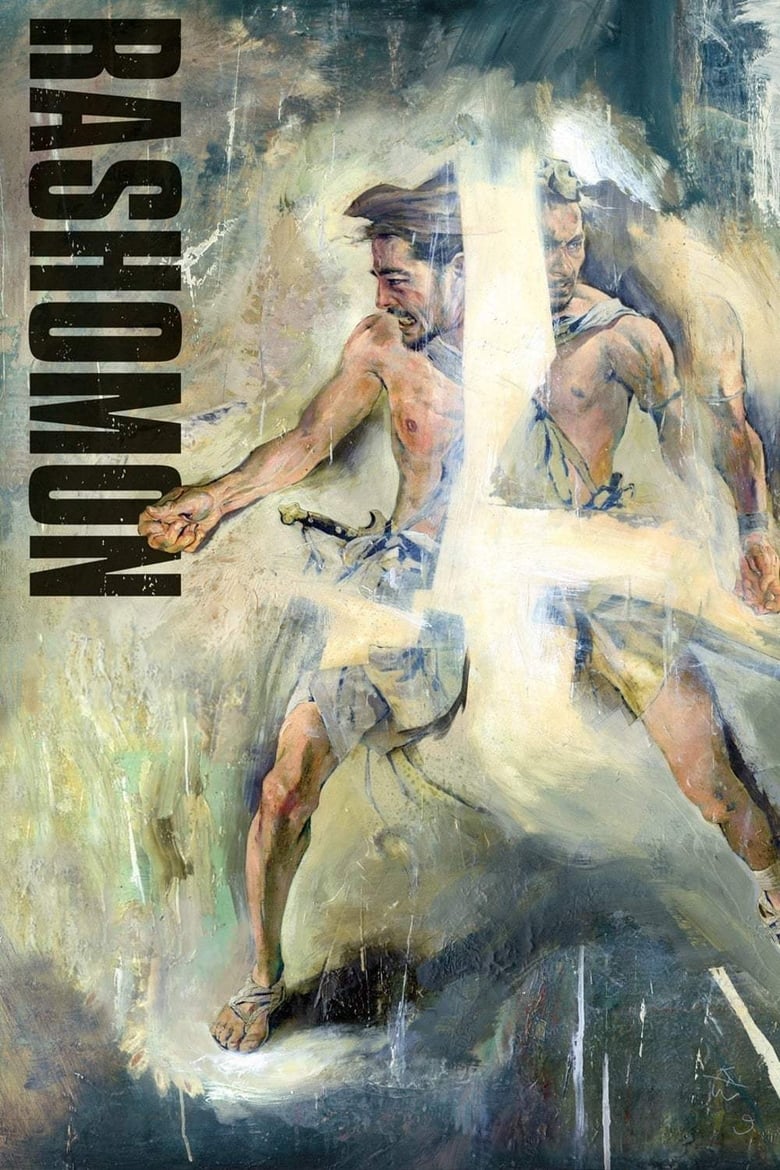
Here's a question that'll stick with you long after the credits roll: what actually happened in that forest? Four people give four accounts. All of them are plausible. All of them are self-serving. None of them quite add up. And Kurosawa just leaves you sitting with that, uncomfortable and a little shaken, because the film isn't interested in giving you the answer. It's interested in making you ask why you wanted one so badly in the first place.
Rashomon is an absolute landmark, and I don't throw that word around lightly. We're talking about a film so philosophically disruptive that it didn't just influence other filmmakers, it reportedly changed how legal systems and courtroom procedures think about witness testimony. The idea that multiple contradictory accounts can each be simultaneously genuine and unreliable, that memory and ego warp the truth beyond recovery, that's not just a narrative trick. It became a framework for understanding how human beings actually work. A film from 1950 did that. That is genuinely wild to me.
Kurosawa's direction is something else. The way he uses light filtering through the forest canopy, the repeated returns to that crumbling gate in the pouring rain, the rhythm of each retelling building and then subtly collapsing under its own weight. It's controlled, purposeful filmmaking, and every choice feels considered. And then there's Toshiro Mifune, who as always is an absolute force of nature on screen. He's magnetic in a way that feels almost unfair. Even when his character is a swaggering, unreliable mess, you cannot take your eyes off him. I've said something similar reviewing Stray Dog and Throne of Blood, but Kurosawa just kept finding new ways to use him, and here he's let completely loose.
I will be honest about the one caveat, because I think it's worth saying rather than glossing over: it has aged in places. The pacing is deliberate in a way that modern audiences might find slow going, and some of the theatrical style of performance, particularly in the earlier scenes, can feel a bit heightened and stagey by today's standards. That's not a fatal flaw, not even close, but if you sit down expecting it to move like a contemporary thriller, you'll need to adjust your expectations. Give it ten minutes and you'll settle into its rhythm.
What keeps it riveting even now is the central argument it's making. Every single character who gives testimony has a reason to lie, or at least a reason to shade the truth in their favour. The bandit, the wife, the dead samurai speaking through a medium, even the seemingly neutral woodcutter who witnessed events firsthand. Each of them constructs a version of reality that makes themselves look better, or at least more dignified. Kurosawa doesn't judge any of them harshly for it. He just observes it, with something close to compassion, because that's what people do. We narrate ourselves as the heroes of our own stories. We can't help it.
That's the thing that makes Rashomon genuinely great rather than merely important. It could easily have been a cold, intellectual exercise, a puzzle film that's more interested in being clever than in being human. But it's not. There's warmth underneath it, and something close to grief, grief for the impossibility of ever really knowing another person, or even knowing yourself clearly. The ending, which I won't spoil, earns its note of fragile optimism in a way that surprised me.
Four stars. A film that makes you question truth itself. Not many films can honestly claim that, and even fewer actually deliver on it.
Rating: ★★★★ | Year: 1950 | Watched: 2025-04-15
Where to watch
Watch in the UK
Stream: BFI Player · BFI Player Amazon Channel · BFI Player Apple TV Channel
Rent: Apple TV Store · Amazon Video
Buy: Apple TV Store · Amazon Video
Physical: Amazon UK · Zavvi
Watch in the US
Stream: HBO Max Amazon Channel · HBO Max
Rent: Amazon Video · Apple TV Store · Fandango At Home
Buy: Amazon Video · Apple TV Store · Fandango At Home
Physical: Amazon US
Affiliate disclosure: Movies With Macca may earn a small commission on purchases or subscriptions started via these links. It costs you nothing extra.
Related on Movies With Macca
More from Akira Kurosawa: High and Low (1963) · Stray Dog (1949) · Throne of Blood (1957) · Ikiru (1952)
More with Toshirō Mifune: High and Low (1963) · Stray Dog (1949) · Throne of Blood (1957) · Sanjuro (1962)
More from Japan: Mononoke the Movie: The Phantom in the Rain (2024) · Mononoke the Movie: Chapter II - The Ashes of Rage (2025) · Blue (1993) · The Ghost of Yotsuya (1959)
More from the 1950s: Invasion of the Body Snatchers (1956) · Alice in Wonderland (1951) · Letter from Siberia (1957) · Invaders from Mars (1953)
More crime: A Better Tomorrow (1986) · Angst (1983) · Stolen Face (1952) · Cairo Station (1958)
More drama: Viy (1967) · Wonder (2017) · A Better Tomorrow (1986) · Beautiful Boy (2018)