Psycho (1960)
★★★½ — Psycho (1960)

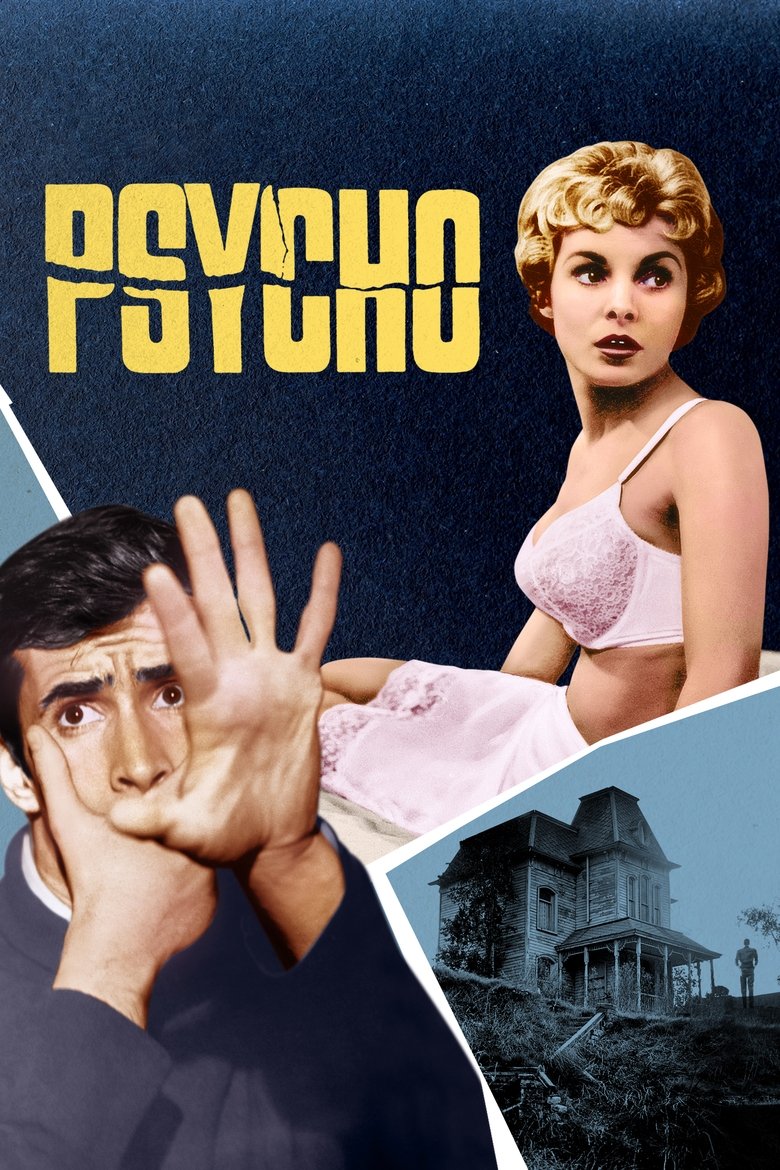
The Simpsons ruined this film for my girlfriend before it even had a chance. We'd barely settled in when she turned to me, about ten minutes through, and quietly called the killer. Not a guess, not a hunch. Dead certain. And she was right. Cheers, Springfield.
That's the strange paradox sitting at the heart of Psycho. It's one of the most influential films ever made, quite possibly the founding text of the slasher genre, and its fingerprints are all over horror cinema in ways that are still being felt today. But that very influence is what quietly works against it now. The twists have been parodied, referenced, spoofed and spoiled so relentlessly across sixty-odd years of pop culture that walking into it fresh, truly fresh, is almost impossible for a modern viewer. The shock that must have sent 1960 audiences reeling has been softened into something closer to recognition.
And yet. She was terrified. Completely hooked, despite knowing where it was going. That tells you something important about Hitchcock's craft.
The shower scene is still extraordinary. I don't care how many times you've seen clips of it, how many video essays you've watched breaking down the editing, or how many times it's been recreated. When you're watching the film properly, in the dark, it hits differently. Bernard Herrmann's score is doing half the work, those shrieking strings turning something visceral into something almost operatic, but the cutting is what makes it genuinely unsettling. It's a sequence that earns every word that's ever been written about it.
Where I part ways with the consensus is on the bigger picture. People talk about Psycho as though it's Hitchcock's crowning achievement, and I just don't think that's right. For my money, Vertigo is a far richer, stranger and more emotionally devastating piece of work. Psycho is brilliant as a machine, as an exercise in manipulation and misdirection, but it doesn't linger in the same way. Once the trick is known, what's left feels thinner than Hitchcock at his most ambitious.
There's also the ending, which I've always found a bit flat. The long psychiatric explanation that wraps everything up tidily is the one moment where the film feels like it doesn't trust itself, or doesn't trust us. Everything that made the preceding hour so genuinely unsettling gets over-explained into near-parody. It's the one place where Hitchcock blinks.
None of that is to say this isn't a great film. For something over sixty years old, it holds up remarkably well. The black and white photography gives it a cold, clinical edge that colour might actually have softened. Janet Leigh is fantastic in the early stretch, carrying a film that then, famously, pulls the rug out from under her. Anthony Perkins brings a twitchy, boyish unease to Norman Bates that makes him compelling rather than cartoonishly monstrous, which is exactly what the film needs.
It's worth watching, obviously. If you haven't seen it, watch it before the internet gets another chance to spoil it. The shower scene alone is worth the price of admission, as they say, and there's enough craft on display throughout to understand immediately why this thing cracked cinema open the way it did. I just think calling it Hitchcock's best does a disservice to the rest of his catalogue. Rebecca, Vertigo, even Dial M for Murder all leave me with more to chew on when the credits roll.
Three and a half stars. A landmark, no question. But landmarks and masterpieces aren't always the same thing.
Rating: ★★★½ | Year: 1960 | Watched: 2025-04-02
Where to watch
Watch in the UK
Rent: Apple TV Store · Amazon Video · Google Play Movies · Sky Store
Buy: Apple TV Store · Amazon Video · Google Play Movies · Sky Store
Physical: Amazon UK · Zavvi
Watch in the US
Stream: Peacock Premium · Philo · AMC Plus Apple TV channel · AMC+ Amazon Channel
Rent: Amazon Video · Apple TV Store · Google Play Movies · YouTube
Buy: Amazon Video · Apple TV Store · Google Play Movies · YouTube
Physical: Amazon US
Affiliate disclosure: Movies With Macca may earn a small commission on purchases or subscriptions started via these links. It costs you nothing extra.
Related on Movies With Macca
More from Alfred Hitchcock: Sabotage (1936) · Rebecca (1940) · Vertigo (1958) · Dial M for Murder (1954)
More from the 1960s: Viy (1967) · Persona (1966) · Carnival of Souls (1962) · Daisies (1966)
More horror: Invasion of the Body Snatchers (1956) · Viy (1967) · Nightmare City (1980) · Angst (1983)
More thriller: Invasion of the Body Snatchers (1956) · Angst (1983) · The Long Walk (2025) · Punishment Park (1971)