Pictures of the Old World (1972)
Pictures of the Old World (1972)

Let me be straight with you: I admire Pictures of the Old World more than I enjoyed it. And I'm not entirely sure that's a criticism, but I'm not entirely sure it isn't, either.
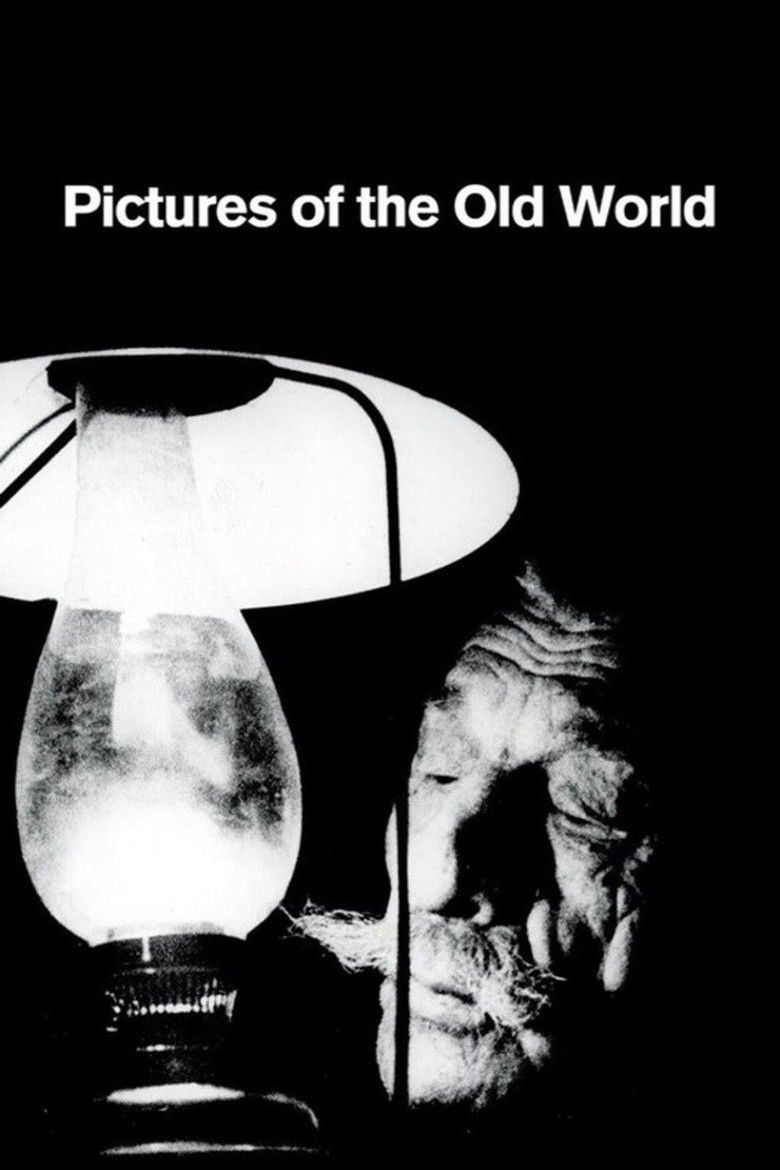
Dušan Hanák's 1972 documentary takes you into the remote villages of Slovakia, to sit with elderly men and women who have been, for all practical purposes, left behind by the twentieth century. Their huts are cramped, their hands are knotted, their meals are sparse. They talk, when they talk at all, about loneliness, about faith, about what it means to keep going when the world has simply stopped noticing you're there. Hanák films them in black and white, with a stillness that feels almost devotional. And the images are genuinely extraordinary. There are faces in this film that look like they were carved rather than born, textures of mud and wool and weathered timber that make you think of Bruegel. Not in a pretentious way. It's just that honest.
The fact that Czechoslovak authorities banned it for "pessimism" tells you something important. Not about the film's failures, but about its nerve. There's nothing here that flatters the state, nothing that suggests modernisation has been a triumph for everyone. These people were supposed to have been lifted up by history. Instead, here they are, essentially alone, tending to rituals that the rest of the country has long since abandoned. That the authorities found this uncomfortable is, in a grim way, a kind of endorsement.
And yet. After the first ten minutes or so, I'll be honest, the minimalism stopped working on me and started working against me. The pacing isn't just slow, it's almost confrontationally so. Each static shot holds just a beat longer than feels necessary. Each interview ends and gives way to another face, another silence, another sparse interior. Hanák is clearly working with real artistic intent and genuine respect for his subjects. But somewhere around the midpoint I found myself noticing the methodology more than the people, which is the opposite of what a documentary like this should do.
This kind of film asks a lot of you, and I think it's fair to say that not everyone who comes to it will meet it where it needs to be met. If slow cinema is your thing, if you've spent time with films that prioritise texture and duration over narrative momentum, you'll likely find it more rewarding than I did. I've sat happily with challenging work from this part of the world before. I loved Daisies and The Firemen's Ball, both of which crackle with energy and invention. Pictures of the Old World is a very different proposition, quieter by design, and more demanding for it.
There's also something that feels genuinely close to A River Called Titas in spirit, another film that treats disappearing rural life with an almost ethnographic tenderness, and that similarly rewards patience more than it rewards casual viewing. If that one moved you, this one might too.
What I keep coming back to is the word "artifact." Because that's what this feels like, and I mean it with some warmth. It's a record of people and a way of life that would otherwise leave almost no trace. That has real value. Historically, anthropologically, even morally. But a film being valuable and a film being an engaging watch are two different things, and pretending otherwise would be doing you a disservice. There were stretches where I was genuinely moved, and stretches where I was genuinely waiting for it to be over. Both of those things are true.
If you're drawn to the more austere corners of world cinema, go in. Go in with patience and low expectations for momentum. You may find more in it than I did. But if you're hoping the reputation alone will carry you through, I'd temper that slightly. It's a worthy film. Whether it's a watchable one depends entirely on you.
Rating: Not rated | Year: 1972 | Watched: 2026-03-09
Where to watch
Watch in the UK
Stream: DocAlliance Films
Physical: Amazon UK · Zavvi
Watch in the US
Stream: DocAlliance Films
Rent: DocAlliance Films
Physical: Amazon US
Affiliate disclosure: Movies With Macca may earn a small commission on purchases or subscriptions started via these links. It costs you nothing extra.
Related on Movies With Macca
More from Czechoslovakia: Fantastic Planet (1973) · Men Without Wings (1946) · Daisies (1966) · The Firemen's Ball (1967)
More from the 1970s: Fantastic Planet (1973) · Here and Elsewhere (1976) · Italianamerican (1974) · Punishment Park (1971)
More documentary: Letter from Siberia (1957) · Lessons of Darkness (1992) · Style Wars (1983) · Here and Elsewhere (1976)