Style Wars (1983)
Style Wars (1983)

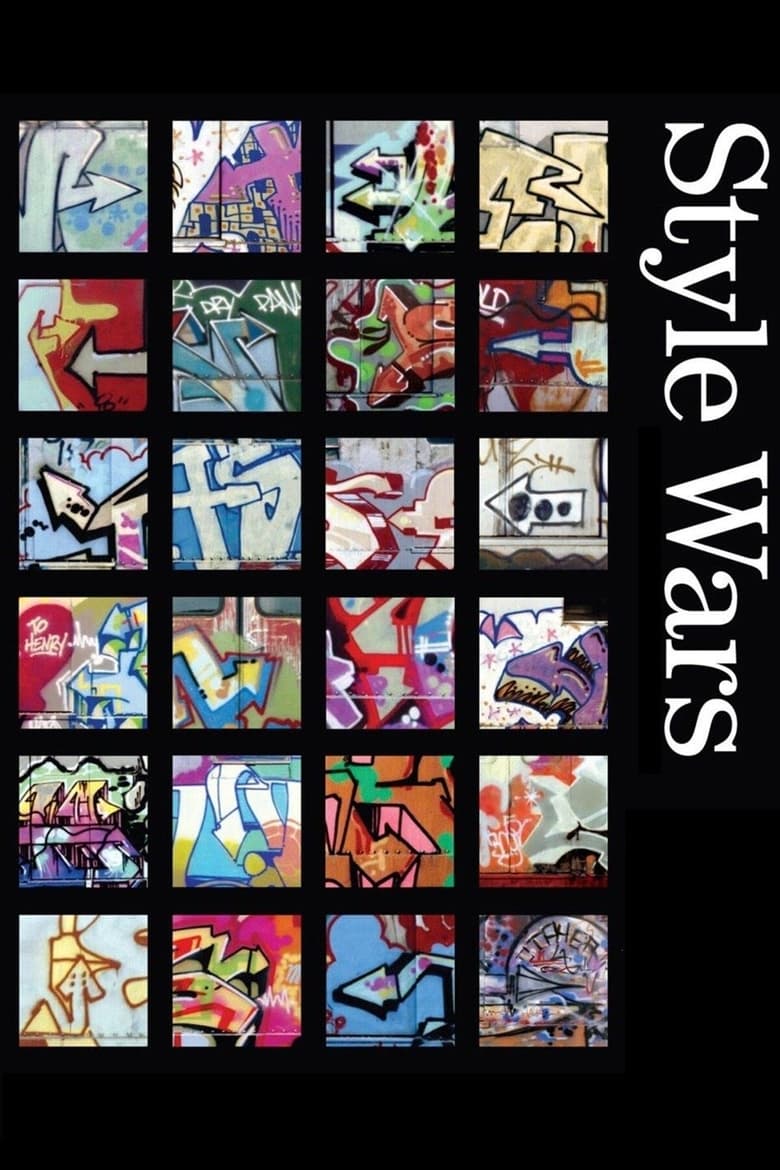
You can practically smell the spray paint. That's the thing about Style Wars that hits you first and stays with you longest. Directed by Tony Silver and produced alongside Henry Chalfant, this 1983 documentary drops you into the New York City subway system at the exact moment hip-hop culture was clawing its way into existence, and it does so with such raw, street-level energy that forty-odd years later it still feels like you're standing in the yard at dawn, watching a teenager finish a whole car before the sun comes up.
What Silver captures here isn't a movement in retrospect. There's no comfortable distance, no talking heads looking back fondly from leather armchairs. This is a document made from inside the storm, shot on grainy 16mm with a fly-on-the-wall intimacy that makes every interview feel like a conversation you've stumbled into rather than a performance put on for the camera. The writers, kids like Kase 2, Dondi, and Seen, speak with a conviction that's genuinely disarming. They're not apologising. They're telling you, plainly and passionately, that they're beautifying the city. That their murals are art. That the trains are their canvas because nobody gave them a wall.
And then you've got the city officials who see only vandalism, only cost, only disorder. The clash between these two positions is where the film finds its electricity. This isn't just a row about graffiti. It's ideological, generational, deeply political. These are marginalised young people from the Bronx asserting their presence in a city that has spent years telling them they don't matter, and doing it in a way that's impossible to ignore. The trains carrying their work roll through every borough. You can't look away.
The breakdancing sequences crackle with a youthful exuberance that's hard not to grin at, and the rap cyphers feel genuinely spontaneous, the kind of thing you worry a camera might kill but somehow doesn't here. If you've ever wanted to understand where hip-hop actually came from, not as a commercial product but as a form of survival and self-expression, this is about as close to a primary source as you're going to get. It pairs naturally with something like my review of 8 Mile, which explores the later, more polished mythology around rap, but Style Wars is the real bedrock stuff, before any mythology had formed.
That said, I'll be honest about where it falls short, because it does fall short in one significant way. The film circles the same central conflict, artists versus authority, without ever pushing much further into the territory around it. The economics of street art, the internal politics of the community, the way these voices sat within broader civil rights struggles of the era, all of that is largely left alone. It's a portrait, and a vivid one, but it stops short of being an analysis. By the time you reach the third or fourth iteration of the same debate between a writer and a city figure, you start to feel the repetition.
There's also relatively little attention paid to how the music itself was evolving at this moment. The rapping and breakdancing are present and joyful, but the film's real obsession is the visual art, the murals, the tags, the throw-ups. That's a legitimate choice, but it does mean the fuller picture of what hip-hop was becoming in 1983 is only partially sketched in.
None of that makes it less essential, though. Historically invaluable feels like underselling it. These are charismatic, articulate young people speaking for themselves about their own lives and their own art, and that was rare then and remains valuable now. The film's passion and urgency don't fade. Decades on, it doesn't just show you hip-hop's birth. It lets you feel the heartbeat of it, the actual pulse, nervous and defiant and alive.
Unrated, because some films sit outside the star system. This one earns its place there.
Rating: Not rated | Year: 1983 | Watched: 2026-05-13
Where to watch
Watch in the UK
Stream: Amazon Prime Video · Amazon Prime Video with Ads
Rent: Amazon Video
Buy: Amazon Video
Physical: Amazon UK · Zavvi
Watch in the US
Stream: Philo · Fandor · Night Flight Plus · Fandor Amazon Channel
Rent: Amazon Video · Google Play Movies · YouTube · Fandango At Home
Buy: Amazon Video · Google Play Movies · YouTube · Fandango At Home
Physical: Amazon US
Affiliate disclosure: Movies With Macca may earn a small commission on purchases or subscriptions started via these links. It costs you nothing extra.
Related on Movies With Macca
More from the 1980s: Nightmare City (1980) · A Better Tomorrow (1986) · Garlic Is as Good as Ten Mothers (1980) · Angst (1983)
More music: 8 Mile (2002) · Chicken for Linda! (2023) · Tender Mercies (1983) · Rockers (1978)
More documentary: Letter from Siberia (1957) · Lessons of Darkness (1992) · Here and Elsewhere (1976) · Shinjuku Boys (1995)