Bluebeard (1944)
★ — Bluebeard (1944)

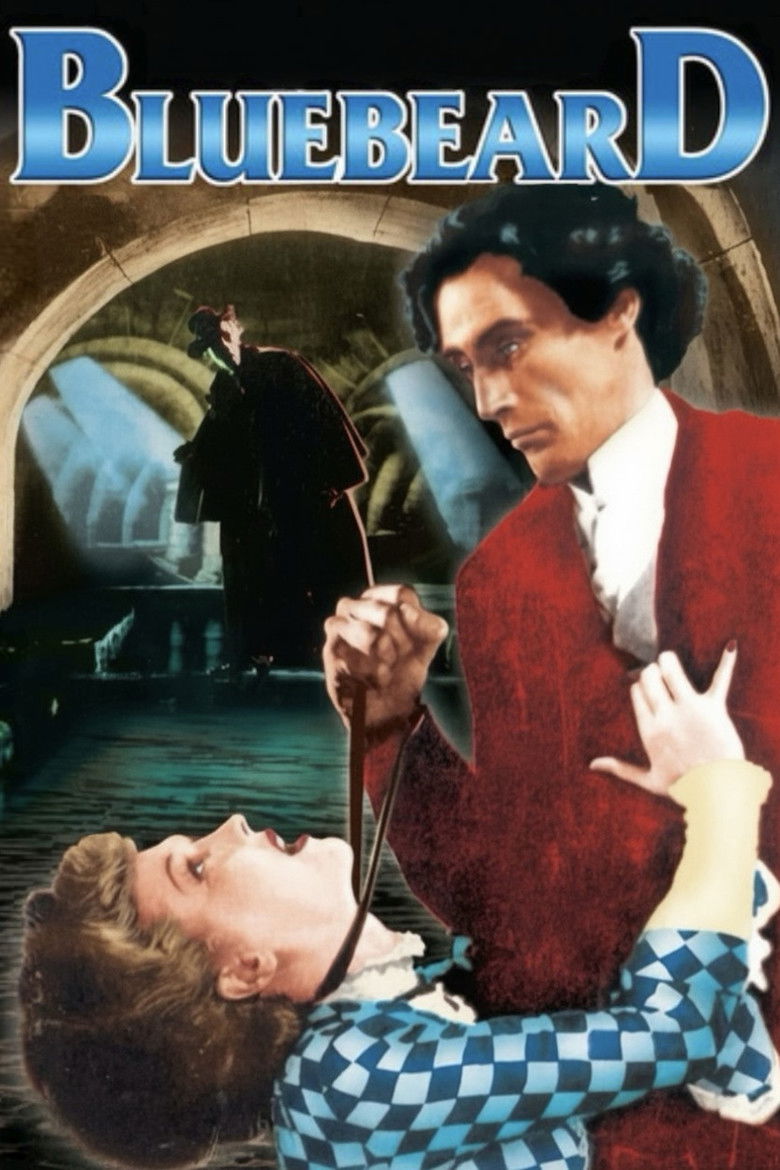
Some films are bad in a way that's almost forgivable. Cheap thrills, a dodgy script, a few laughs at the expense of earnest incompetence. Bluebeard (1944) is not that kind of bad. This one actively grinds you down. Sitting through it feels less like watching a film and more like serving a sentence.
The premise isn't the problem. A 15th-century French nobleman with a habit of murdering his wives is perfectly good material for a horror picture. Dark, gothic, psychologically rich territory, handled well by better films. But from the very first scene, it's obvious something has gone badly wrong here, and it never rights itself.
Start with the score. I'm not sure I've ever been more oppressed by music in a film. It doesn't underscore the action, it steamrollers it. Shrill, relentless, blaring over every line of dialogue, every silence, every moment that might otherwise breathe. Whoever decided to crank it up to that level and leave it there apparently thought volume was a substitute for tension. It isn't. What you get instead is sensory overload, a wall of noise that turns any flicker of dread into sheer exhaustion.
John Carradine takes the lead as the murderous nobleman, and to be fair to him, he's trying. You can see him reaching for something, some hint of complexity or menace. But the script gives him absolutely nothing to work with. The dialogue sounds improvised under duress, and the character as written has the psychological depth of a cardboard cutout. Everyone else in the cast either stands around staring blankly or shrieks on cue, as if genuine emotion was considered an unnecessary extravagance. The acting is stiff and overwrought in equal measure, which is a difficult combination to pull off, and not a compliment.
Then there's the technical side of things, which is frankly shocking. Grainy footage, flat camera angles, lighting that seems to have been an afterthought. The sets look like they were assembled over a weekend with a tight budget and no particular ambition. There's no atmosphere here, no creeping dread, none of the shadows and suggestion that made the best low-budget horror of the era work despite their limitations. I think about a film like The Black Cat, which had genuine style and menace on what must have been a modest budget, and the contrast is stark. That film understood that atmosphere costs nothing if you're willing to be creative. Bluebeard doesn't seem interested in trying.
What's most damning is that it's not even entertaining in a so-bad-it's-good way. I can appreciate a gloriously inept film. There's joy to be found in the right kind of disaster. But Bluebeard is just dull. Dull and grating and seemingly endless, despite running to a fairly modest length. It churns through its story without generating a single moment of genuine suspense or interest, and by the time it wraps up you feel less relieved that it's over and more puzzled that anyone thought it was ready for an audience.
One star, and that's being generous to the premise rather than the execution. Unless you're specifically cataloguing the absolute nadir of 1940s horror, do yourself a favour and leave this one well alone.
Rating: ★ | Year: 1944 | Watched: 2025-11-02
Where to watch
Watch in the UK
Stream: Amazon Prime Video · Amazon Prime Video with Ads · Bloodstream · Artiflix
Rent: Amazon Video
Buy: Amazon Video
Physical: Amazon UK · Zavvi
Watch in the US
Stream: Amazon Prime Video · fuboTV · MGM+ Amazon Channel · Philo
Rent: Amazon Video · FlixFling
Buy: Amazon Video · FlixFling
Physical: Amazon US
Affiliate disclosure: Movies With Macca may earn a small commission on purchases or subscriptions started via these links. It costs you nothing extra.
Related on Movies With Macca
More from Edgar G. Ulmer: People on Sunday (1930) · The Black Cat (1934) · Detour (1945)
More from the 1940s: Louisiana Story (1948) · The Ox-Bow Incident (1943) · Men Without Wings (1946) · The Bank Dick (1940)
More crime: A Better Tomorrow (1986) · Angst (1983) · Stolen Face (1952) · Cairo Station (1958)
More thriller: Invasion of the Body Snatchers (1956) · Angst (1983) · The Long Walk (2025) · Punishment Park (1971)