
The Getaway (1972)
★★★½ — The Getaway (1972)

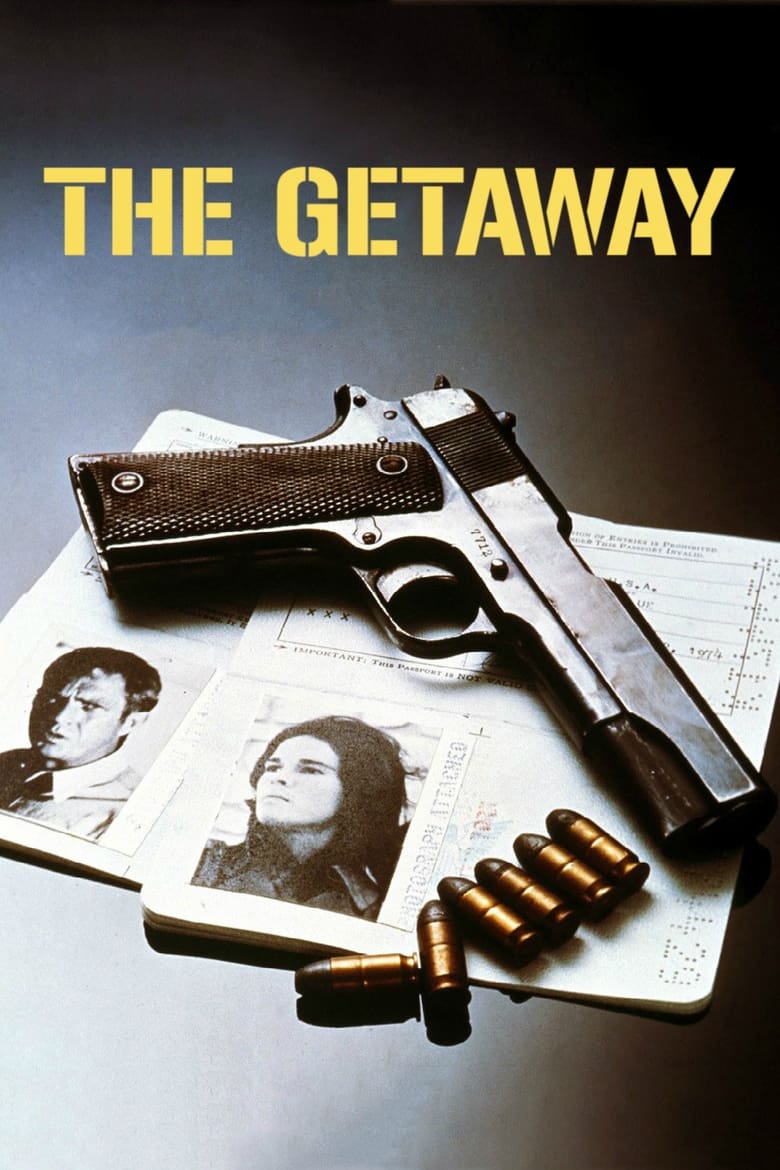
Let me say something that might ruffle a few feathers: the car chase in The Getaway is overrated. I know, I know. It gets trotted out as a landmark moment in American action cinema, one of the first truly gritty, high-speed pursuits on screen, and fine, historically that's fair. But watching it now, it's long, it's bumpy, and it asks more of your patience than your pulse. There's a raw, almost documentary quality to the photography that's genuinely impressive for 1972, but if you go in expecting white-knuckle stuff, you might come away a little flat. I'd point you to Bullitt if pure vehicular tension is what you're after. McQueen's in that one too, and the chase there still holds up as one of cinema's great set pieces.
Here's the thing though: judge The Getaway on the car chase alone and you're selling it short. Step back and look at the whole picture, and there's a lean, mean heist thriller here that holds up far better than you might expect. Sam Peckinpah keeps things taut and unforgiving, and the film carries that signature atmosphere of his, the feeling that everyone on screen is operating just one bad decision from catastrophe. Seedy motels, scorched desert landscapes, paranoia baked into every scene. Classic Peckinpah territory.
Steve McQueen plays Doc McCoy, a career criminal who gets out of prison, pulls off a meticulously planned robbery, and promptly gets double-crossed. It's the kind of role McQueen could do in his sleep, but he doesn't sleepwalk through it. He's effortlessly cool without ever tipping into smugness, and there's a weariness to him that keeps Doc grounded. You believe this man has been around, has paid his dues, and is absolutely not in the mood for any more nonsense.
Ali MacGraw plays his wife Carol, and their chemistry is real and lived-in. You feel the history between them without the film needing to spell it out. That said, I won't pretend the script always does right by her. There are stretches where Carol drifts into damsel-in-distress territory, reactive rather than active, and it's a shame because MacGraw is capable of more. When the film gives her something to actually do, she delivers. The dynamic between them, loyalty tested by survival instinct, trust stretched to breaking point, is the emotional engine of the whole thing.
What I appreciate most is that The Getaway isn't flashy. It doesn't try to be. There's no showboating, no over-the-top sequences for the sake of spectacle. The dialogue is sharp, the pacing is disciplined, and the moral ambiguity of the central characters gives the film a weight that lifts it above your standard crime picture. Doc and Carol are not heroes in any conventional sense. They're survivors, operating in a world where trust is currency and everyone has a price. Peckinpah never lets you forget that, and the fatalism seeps into every frame.
The tension builds steadily rather than explosively, and that's a deliberate choice. Some viewers will find that frustrating, especially if they've been sold on the promise of non-stop action. But I think there's something to be said for a thriller that earns its grip through character and atmosphere rather than relying solely on set pieces. The ending, in particular, lingers in a way that purely mechanical thrillers rarely manage.
Three and a half stars.
So yes: the car chase is more historically notable than genuinely thrilling, and the film isn't without its rough edges. But as a hard-edged crime drama with real charisma at its centre and Peckinpah's uncompromising eye behind the camera, The Getaway remains a solid, stylish piece of work. Sometimes grit counts for more than gloss, and this film has grit to spare.
Rating: ★★★½ | Year: 1972 | Watched: 2025-10-10
Where to watch
Watch in the UK
Rent: Sky Store
Buy: Google Play Movies · Sky Store · YouTube
Physical: Amazon UK · Zavvi
Watch in the US
Stream: fuboTV · YouTube TV
Rent: Amazon Video · Apple TV Store · Google Play Movies · YouTube
Buy: Amazon Video · Apple TV Store · Google Play Movies · YouTube
Physical: Amazon US
Affiliate disclosure: Movies With Macca may earn a small commission on purchases or subscriptions started via these links. It costs you nothing extra.
Related on Movies With Macca
More with Steve McQueen: The Magnificent Seven (1960) · Bullitt (1968)
More from the 1970s: Fantastic Planet (1973) · Here and Elsewhere (1976) · Italianamerican (1974) · Punishment Park (1971)
More action: A Better Tomorrow (1986) · The General (1926) · Hand of Death (1976) · Daredevil (2003)
More crime: A Better Tomorrow (1986) · Angst (1983) · Stolen Face (1952) · Cairo Station (1958)



