The Exorcist (1973)
★★★ — The Exorcist (1973)

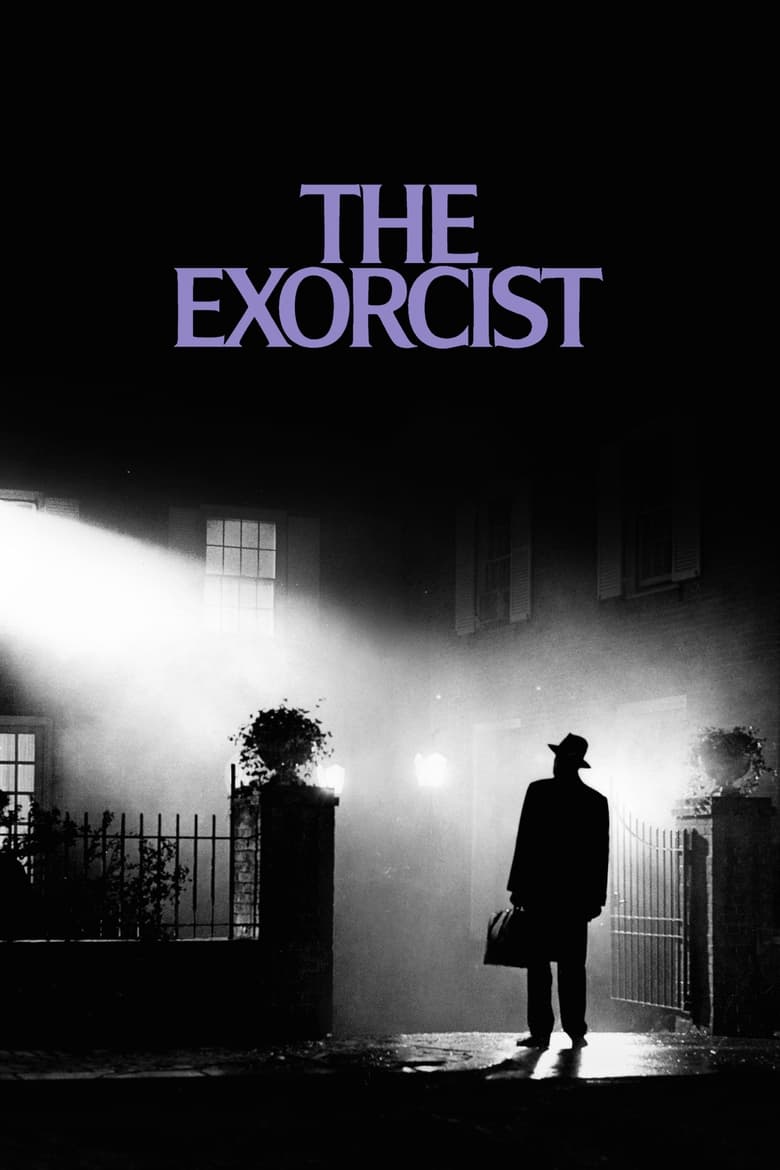
Let me be honest with you: I don't think The Exorcist is that scary. And I say that as someone who went into it at around fourteen years old, having been told repeatedly that this was the one, the film that made grown adults faint in the aisles, the one so disturbing it was practically cursed. The build-up was immense. The delivery, for me at least, wasn't quite what I'd been promised.
That's not me trying to be contrarian. The Exorcist is unquestionably a landmark. William Friedkin's film didn't just arrive in 1973 and shake audiences, it rewrote what horror cinema could be. It dragged the supernatural into the realm of serious drama, gave it weight and theology and grief, and in doing so created a template that practically every religiously charged scare-fest since has borrowed from. You can't really talk about possession horror without talking about this film. It's the blueprint, full stop.
But knowing a film's place in history and being frightened by it are two entirely different things. And watching it for the first time some thirty years after release, that gap was impossible to ignore.
What struck me most was the pace. This is a slow film, deliberately and sometimes stubbornly so. Long stretches pass in a mood closer to psychological drama than horror, following a worried mother navigating a maze of medical consultations and quiet, creeping dread before anything overtly supernatural takes hold. There's a methodical quality to it that I respect as a piece of filmmaking, but which, if you're fourteen and primed for terror, can feel like a long wait for a bus that eventually does arrive, just not quite on time.
When the film does get to its most famous moments, the practical effects hold up remarkably well. The crucifix scene, the head turning, the green-tinged chaos of the film's back half: these still carry a genuine sense of transgression and violation that I wasn't entirely prepared for, even if they didn't have me hiding behind a cushion. The horror here isn't about shock for shock's sake. It's more about the collapse of everything rational, the helplessness of watching someone you love become unrecognisable, and the failure of modern medicine to explain what's happening. That's genuinely unsettling territory, and the film inhabits it with a kind of solemn, almost mournful seriousness.
It's a film that treats its own premise with total conviction, and that matters. Friedkin doesn't wink at the audience. There's no ironic distance here. He plays everything completely straight, and that commitment is what gives the more disturbing sequences their power. You could draw a line between this kind of unflinching seriousness and films like Requiem for a Dream (2000), another film that asks you to sit inside a very uncomfortable experience with no escape hatch offered.
But the honest verdict is this: The Exorcist is a film I find more fascinating to think about than I do frightening to watch. By the standards of modern horror it doesn't land the same punches. No jump scares rattling every few minutes, no relentless gore designed to overwhelm you. The horror is quieter, more philosophical, more interested in the idea of evil than in making you scream. Which is either a strength or a limitation depending on what you came for.
I came for the fright, and I got something more complicated instead. Something that made me appreciate craft and influence and the audacity of what Friedkin and his collaborators pulled off, while also leaving me a little bit cold in the moment. Three stars feels right to me, maybe even generous, but given everything this film set in motion, it earns every one of them on legacy alone.
Important? Absolutely. Groundbreaking? Without question. But if someone tells you it's the most terrifying film ever made, just know that your mileage may very much vary.
Rating: ★★★ | Year: 1973 | Watched: 2025-07-29
Where to watch
Watch in the UK
Stream: HBO Max Amazon Channel · HBO Max
Rent: Apple TV Store · Rakuten TV · Amazon Video · Google Play Movies
Buy: Apple TV Store · Rakuten TV · Amazon Video · Google Play Movies
Physical: Amazon UK · Zavvi
Watch in the US
Stream: AMC
Rent: Amazon Video · Apple TV Store · Google Play Movies · YouTube
Buy: Amazon Video · Apple TV Store · Google Play Movies · Fandango At Home
Physical: Amazon US
Affiliate disclosure: Movies With Macca may earn a small commission on purchases or subscriptions started via these links. It costs you nothing extra.
Related on Movies With Macca
More from William Friedkin: Cruising (1980) · To Live and Die in L.A. (1985) · The French Connection (1971) · Killer Joe (2011)
More with Ellen Burstyn: Requiem for a Dream (2000)
More from the 1970s: Fantastic Planet (1973) · Here and Elsewhere (1976) · Italianamerican (1974) · Punishment Park (1971)
More horror: Invasion of the Body Snatchers (1956) · Viy (1967) · Nightmare City (1980) · Angst (1983)
More drama: Viy (1967) · Wonder (2017) · A Better Tomorrow (1986) · Beautiful Boy (2018)