Report (1967)
Report (1967)

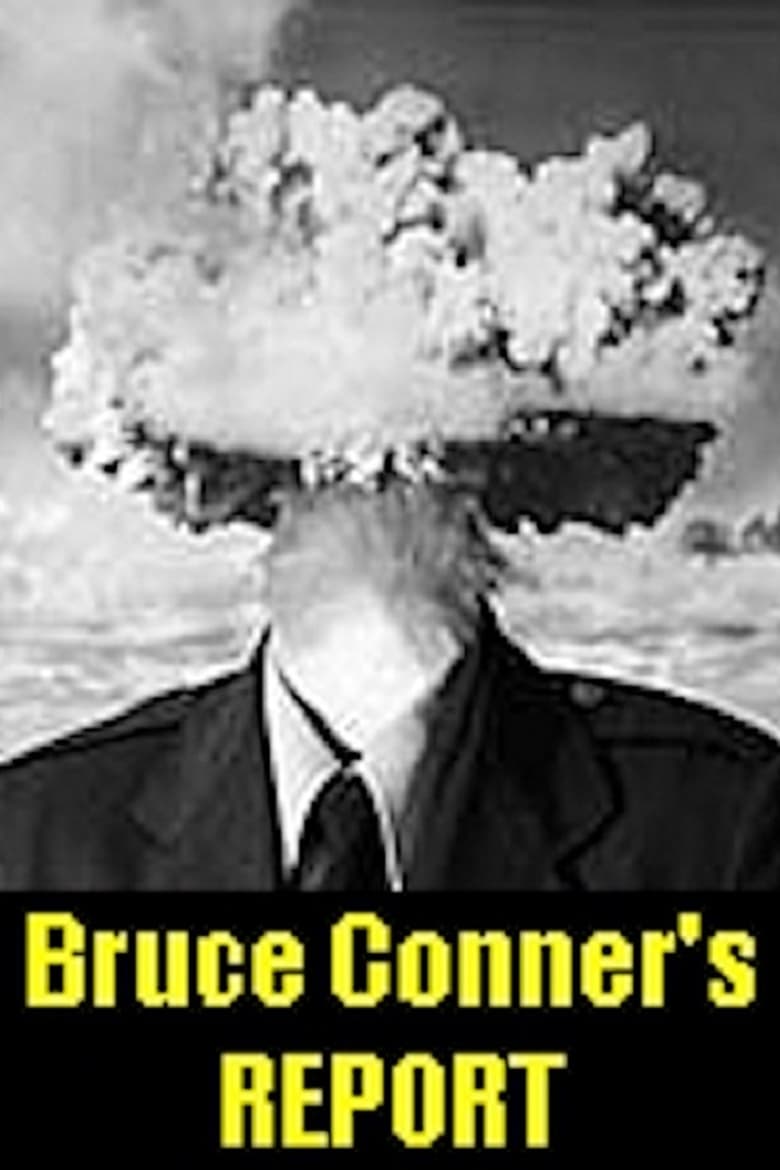
There's a moment in Report where the footage simply stops. The image cuts to black, or to static, or to something mundanely commercial, and the effect is more disturbing than any graphic reconstruction of November 1963 could ever be. That gap, that refusal to show you what you expect to see, is where Bruce Conner's film lives. It's not comfortable viewing. It's not meant to be.
Conner takes the raw material of media itself, newsreel footage, television broadcasts, advertising clips, and assembles them into something that feels less like a documentary and more like a collective nervous breakdown playing on loop. The soundtrack is dissonant and unsettling: a clock ticking with horrible insistence, bursts of the Beatles' "A Hard Day's Night" jarring against the weight of what surrounds them. It's a queasy combination, and deliberately so. The cheerfulness of pop culture pressed up against catastrophe isn't accidental. It's the whole argument.
What Conner understood, and what makes Report feel so prescient even now, is that trauma doesn't reach us clean. It arrives filtered, repackaged, interrupted by car commercials. A smiling housewife dissolves into chaos. A motorcade cuts to an advertisement. The film doesn't explain this or editorialise around it. It just shows you the collision and lets the discomfort do the work. For a film made in 1967, it's a remarkably sharp critique of media saturation, anticipating the logic of the 24-hour news cycle decades before it existed.
I found myself thinking about the films that similarly weaponise form to say something about how we process reality. Letter from Siberia (1957) does something related, playing with the way commentary shapes raw footage into entirely different meanings. And there's a shared restlessness with Daisies (1966), that same avant-garde instinct to fracture the image until something true falls out of the pieces. Report belongs in that conversation.
But here's my honest reaction: it's a film I admire more than I connect with. The concept is airtight. The execution is disciplined and often genuinely chilling. And yet it keeps you at arm's length, which is, I think, partly the point and partly a limitation. Conner prioritises the intellectual provocation over any emotional foothold, and after a while the relentless fragmentation starts to feel like it's running in circles. The argument is made clearly and early. The remaining runtime reinforces rather than deepens it.
That's not a dismissal. As a piece of avant-garde filmmaking and media criticism, Report is significant. It's a document of a particular moment in American cultural history, and also a framework for understanding every media moment that's followed. The way spectacle can eclipse sense, the way catastrophe gets absorbed into the same channels that sell you washing powder, that's as relevant today as it was then. Possibly more so.
Worth watching once, and watching attentively. It's a short film, but it asks a lot of you, and it earns that ask. Just don't go in expecting to feel moved. Go in expecting to feel implicated.
Rating: Not rated | Year: 1967 | Watched: 2026-03-12
Related on Movies With Macca
More from the 1960s: Viy (1967) · Persona (1966) · Carnival of Souls (1962) · Daisies (1966)
More documentary: Letter from Siberia (1957) · Lessons of Darkness (1992) · Style Wars (1983) · Here and Elsewhere (1976)