Hold Me While I'm Naked (1966)
★½ — Hold Me While I'm Naked (1966)

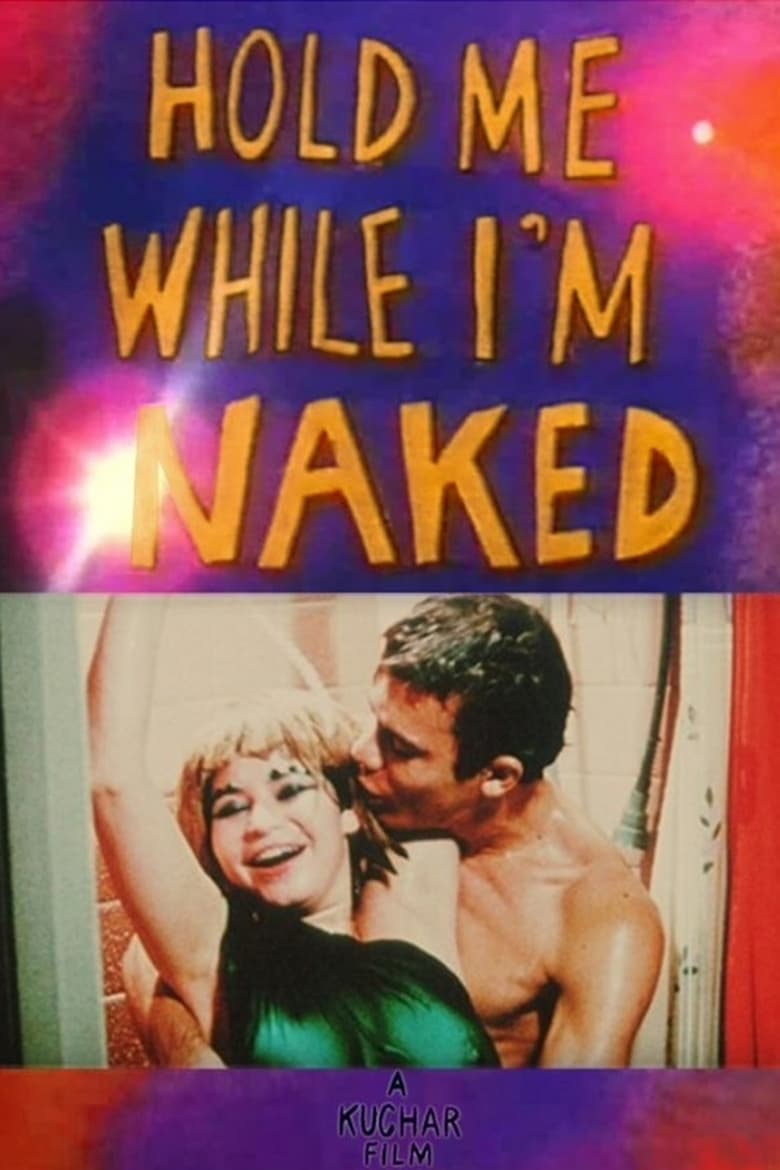
There's a version of this film I can really get behind, at least in theory. George Kuchar, armed with a 16mm camera and absolutely no interest in playing by Hollywood's rules, makes a short about a filmmaker consumed by loneliness and lust, shot on sets that look like they were dressed by raiding a charity shop, with performances pitched somewhere between a soap opera and a fever dream. On paper, that sounds like my kind of thing. In practice, it left me cold.
Hold Me While I'm Naked is the sort of film that arrives pre-wrapped in its own mythology. Underground cinema. Queer history. Radical DIY filmmaking. Kuchar starring as a director whose lead actress has quit to go off and have actual sex, leaving him to spiral into frustration while he watches his neighbours through a window and sweats through a lonely shower. The intention is clear enough: parody, confessional, cathartic provocation. A two-fingered salute to the slick, polished product churned out by the studios.
And I'll grant it this: there's a genuine audacity to the whole thing. The grainy image, the wobbly framing, the soap-opera lighting drenched in lurid colour, the stilted line readings, all of it is deliberate. Kuchar isn't failing to make a conventional film. He's actively dismantling one. That matters, and I don't want to be the person who sits outside something like this and tutts about production values.
But here's my problem. Audacity on its own isn't enough. Camp needs either wit or warmth to really work, and I didn't find much of either here. The exaggerated performances don't quite tip over into something genuinely funny or genuinely moving. The vulnerability that seems to be lurking underneath the artifice, this idea of an artist stranded between desire and creation, never quite breaks the surface. It stays performative. You're always watching someone do a bit rather than feeling anything underneath it.
Compare that to something like Daisies (1966), which I reviewed not long ago and which came out the very same year. That film is similarly anarchic, similarly cheap, similarly uninterested in conventional narrative. But it crackles. There's mischief in every frame. Hold Me While I'm Naked aims for the same territory and mostly wanders around in it.
The historical value is real, and I'm not dismissing it. As a document of 1960s queer underground filmmaking, as a piece of the broader story about who was making art outside the mainstream and what they were trying to say, this matters. Film scholars will find plenty to work with. There are genuine ideas about creative frustration, about desire, about the gap between the films we want to make and the lives we actually live. All of that is in there.
But watching it? It's a slog. The film runs just over fifteen minutes and still manages to feel like it outstays its welcome. The awkward tone, caught between parody and pathos without fully committing to either, makes it difficult to settle into. The moments that seem to reach for genuine emotion get undercut by the self-conscious artifice before they can land. And the moments that seem to aim for laughs don't quite get there either.
I wanted to like this more than I did. I always feel a slight unease writing critically about something with this kind of cultural significance, because I'm aware that significance is real and earned. Kuchar's place in underground film history is solid. But a film being important and a film being a rewarding watch are two different things, and I think it does nobody any favours to pretend otherwise.
For film historians and completists: absolutely worth your time. For everyone else: respect it from a distance. One and a half stars.
Rating: ★½ | Year: 1966 | Watched: 2026-03-13
Related on Movies With Macca
More from the 1960s: Viy (1967) · Persona (1966) · Carnival of Souls (1962) · Daisies (1966)
More comedy: The Eagle (1925) · The General (1926) · Americana (2023) · The Naked Gun: From the Files of Police Squad! (1988)
More drama: Viy (1967) · Wonder (2017) · A Better Tomorrow (1986) · Beautiful Boy (2018)