Documenteur (1981)
★★½ — Documenteur (1981)

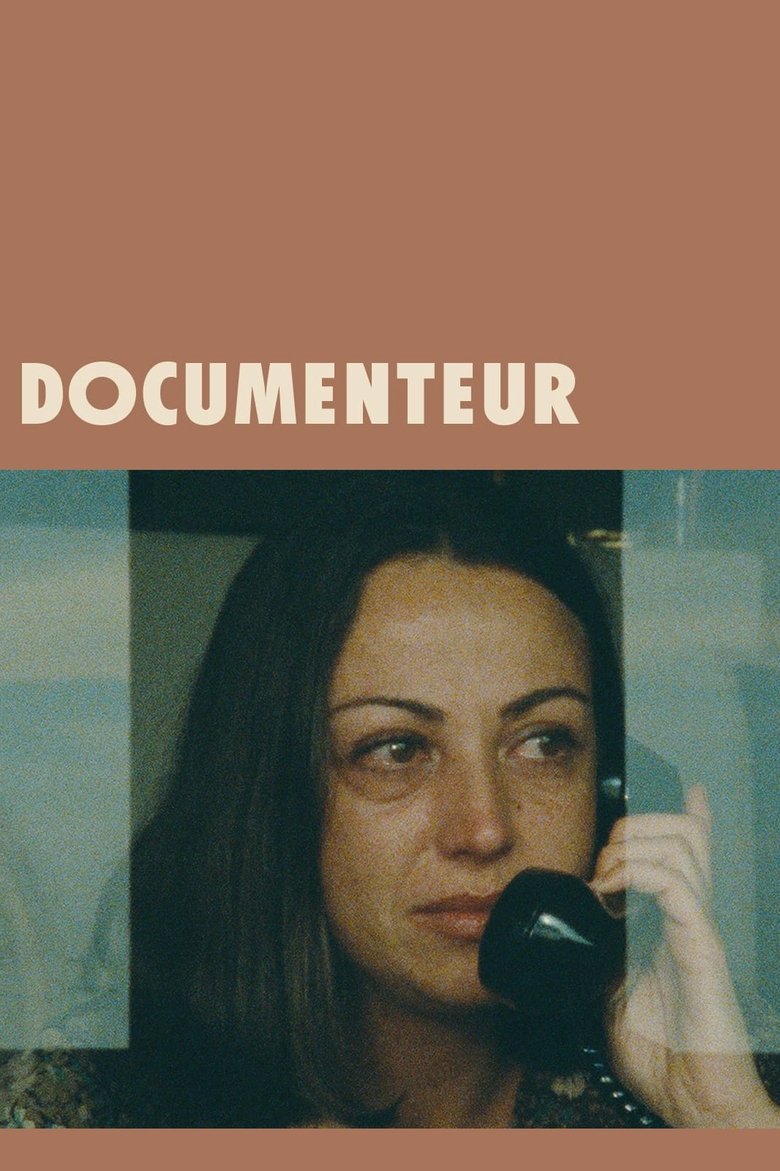
There's a particular kind of film that you respect more than you feel, and Documenteur is exactly that. Agnès Varda made it as a companion piece to Mur Murs, her mural documentary shot around Los Angeles, and the two sit together like two sides of the same coin: one looking outward at the city's surfaces, this one turning inward toward a woman quietly falling apart and slowly, cautiously reassembling herself. It's a generous idea. The execution, though, left me admiring from a distance I couldn't quite close.
Sabine Mamou plays Émilie, a thinly veiled stand-in for Varda herself, adrift in Los Angeles after a relationship has ended. The film follows her searching for a flat, caring for her young son, drifting through chance encounters with strangers. Varda's eye is as warm and alert as ever. There are images here that genuinely catch: California light filtering soft and gold through Venetian blinds, a child's face absorbing the world without commentary, small human moments in the margins of a city that doesn't particularly notice any of it. That humanist attentiveness is Varda's great gift, and it's present throughout.
But presence isn't the same as propulsion. The film's loose, diary-like structure is clearly intentional, and I don't object to films that meander, not in principle. The trouble is that meandering needs to feel like it's going somewhere emotional even if it isn't going anywhere narrative, and Documenteur keeps its emotional stakes so carefully muted that I found myself watching from outside the glass rather than inside the room. Émilie's loneliness is sketched rather than inhabited. Her grief is implied rather than expressed. You're left to infer a lot, which can work brilliantly, but here it just leaves the film feeling slightly insubstantial.
The blurring of fiction and documentary is another thing that gives me pause. Varda was a master of that blurred line, and when it works it produces something genuinely alive, a sense that you're catching real life in the act. Here, though, it falls between two stools. It's not immersive enough to feel like pure documentary, and not dramatically shaped enough to carry you through as fiction. It exists in a middle space that never fully commits to either mode, and that hesitancy drains some of the energy the film could have had.
I want to be fair to it. This is a small, personal film made quickly and cheaply, and those constraints are worn honestly. There's no pretension here, no straining for grandeur. Varda is clearly processing something real through Émilie, and the tenderness between mother and son feels genuine in a way that a more polished production might have smoothed out. The bond they share is the warmest thing in the film, and the scenes between them carry more weight than almost anything else.
It's just that weight evaporates almost the moment the film ends. I came away thinking: yes, that was decent, thoughtful even, and I'm glad Varda made it. But I couldn't tell you what it left behind. Compare that to something like Letter from Siberia (1957), where Chris Marker's essay-film approach crackles with personality and argument at every turn, where the formal play has genuine purpose and bite. Documenteur has the instincts but not the charge.
Two and a half stars. Worth your time if you're working through Varda's catalogue, and there's enough here to justify the hour or so it asks for. But if you're coming to it hoping to be moved the way her best work moves you, you may find yourself, like me, admiring the craft and compassion without quite feeling the current run through you.
Rating: ★★½ | Year: 1981 | Watched: 2026-03-27
Where to watch
Watch in the UK
Stream: DocAlliance Films
Rent: Apple TV Store · Google Play Movies · Curzon Home Cinema · YouTube
Buy: Apple TV Store · Google Play Movies · YouTube
Physical: Amazon UK · Zavvi
Watch in the US
Stream: Criterion Channel · DocAlliance Films
Rent: DocAlliance Films
Physical: Amazon US
Affiliate disclosure: Movies With Macca may earn a small commission on purchases or subscriptions started via these links. It costs you nothing extra.
Related on Movies With Macca
More from France: Fantastic Planet (1973) · Letter from Siberia (1957) · Lessons of Darkness (1992) · Here and Elsewhere (1976)
More from the 1980s: Nightmare City (1980) · A Better Tomorrow (1986) · Style Wars (1983) · Garlic Is as Good as Ten Mothers (1980)
More drama: Viy (1967) · Wonder (2017) · A Better Tomorrow (1986) · Beautiful Boy (2018)