
Mustang (2015)

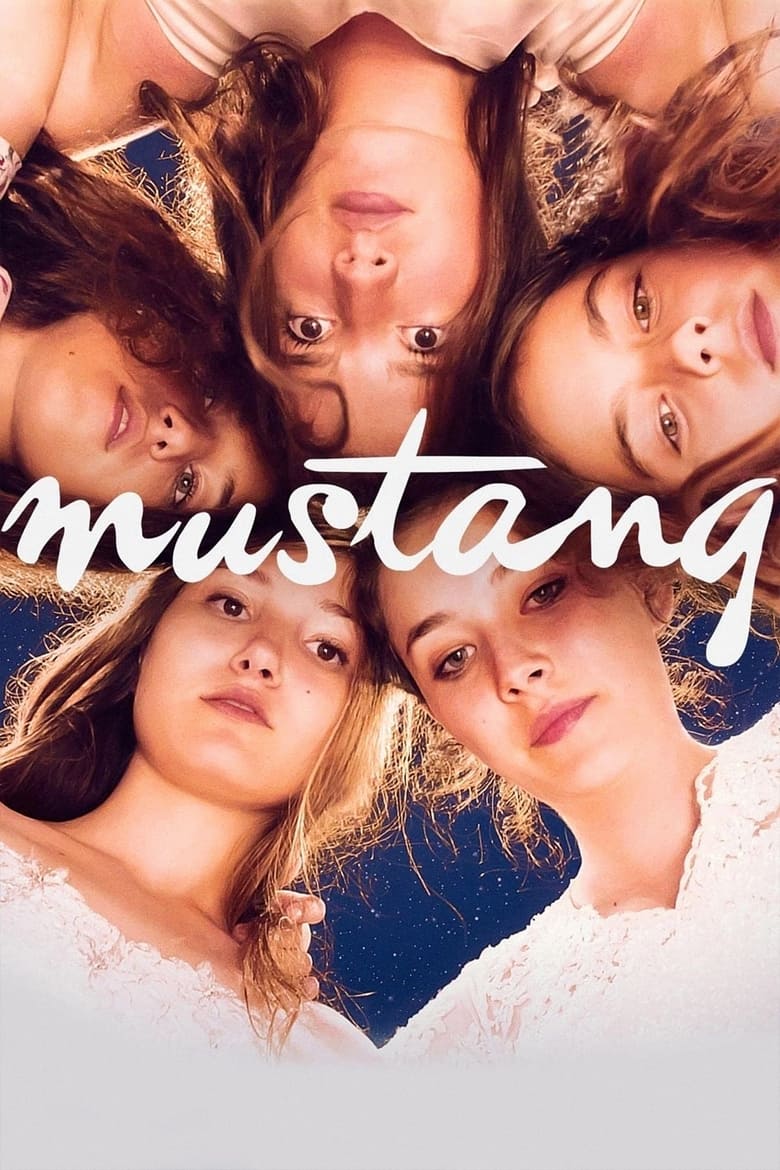
There's a moment early in Mustang where five sisters play in the sea with their male classmates, laughing and splashing in the kind of uncomplicated, sun-drenched joy that feels utterly universal. By the time that same afternoon is used against them, recast as scandal and shame by the adults in their lives, the film has already told you everything you need to know about the world these girls inhabit. And it's only just getting started.
Deniz Gamze Ergüven's debut feature is one of the finest coming-of-age films I've seen in years. Set in rural Turkey, it follows five sisters whose freedom is progressively dismantled by a patriarchal household that mistakes control for love and fear for virtue. The film moves with the quiet intensity of a lived-in memoir, less like crafted fiction and more like someone handing you their diary and asking you to bear witness. That's a rare quality, and Ergüven earns it on almost every frame.
What strikes me most is how the film handles its emotional range. Youthful rebellion, stifled joy, creeping dread, fierce sisterly devotion: all of it coexists without ever feeling forced or neatly packaged. The tone shifts naturally, the way life does, from warmth to unease and back again, sometimes within a single scene. There's no moment where you feel the machinery of the screenplay grinding away beneath the surface.
The cinematography leans on natural light and those sweeping Black Sea landscapes to mirror the girls' inner lives. When they're together, unsupervised and conspiring in whispers, the framing is close and warm. As the walls close in, there's a suffocating stillness to the domestic spaces that the film uses brilliantly. It earns its beauty rather than simply deploying it.
The character work is where Mustang really distinguishes itself, though. Each sister has her own rhythm, her own way of pushing back or retreating, and yet they function as a genuinely believable unit. Their unspoken solidarity, the glances and small gestures of protection they extend to one another, builds into a portrait of female resilience that's both specific to this cultural moment and completely universal in its emotional truth. I'd also give real credit to the side character of Yasin, who brings a necessary lightness to proceedings without ever feeling like a convenient plot device. That brightness matters more than it might seem.
It's not a perfect film. There's an abuse subplot that I think the film handles with less confidence than everything surrounding it. The thing is, the systemic oppression is already so palpable, so embedded in every glance from the grandmother, every locked door, every arranged meeting, that making one thread more explicit starts to feel redundant. The surrounding atmosphere does the work so effectively that this particular element occasionally tips into over-indulgence. It doesn't derail anything, but it's the one place where I felt the film misjudging its own restraint.
Still, even accounting for that, this is an extraordinary piece of work. I think about how it pairs with something like Lingui, the Sacred Bonds, another film about women in a conservative setting finding ways to protect each other from systems designed to harm them. Both films find their power not in grand confrontation but in small, determined acts of solidarity. They'd make a devastating double bill.
What lingers about Mustang is the ache of it. Not misery for its own sake, but something more complicated: the grief of watching freedom be taken incrementally, and the stubborn, quiet insistence of these five young women that it hasn't been taken entirely. Ergüven holds that tension right to the end without letting it collapse into either easy despair or unearned hope. That's an incredibly difficult balance to strike, and she strikes it.
Four and a half stars. Essential viewing.
Rating: ★★★★½ | Year: 2015 | Watched: 2026-06-07
Where to watch
Watch in the UK
Stream: Curzon Amazon Channel
Rent: Apple TV Store · Rakuten TV · Amazon Video · Google Play Movies
Buy: Apple TV Store · Rakuten TV · Amazon Video · Google Play Movies
Physical: Amazon UK · Zavvi
Watch in the US
Stream: Cohen Media Amazon Channel
Rent: Amazon Video · Apple TV Store · Google Play Movies
Buy: Amazon Video · Apple TV Store · Google Play Movies
Physical: Amazon US
Affiliate disclosure: Movies With Macca may earn a small commission on purchases or subscriptions started via these links. It costs you nothing extra.



