Cape Verde My Love (2007)
★★½ — Cape Verde My Love (2007)

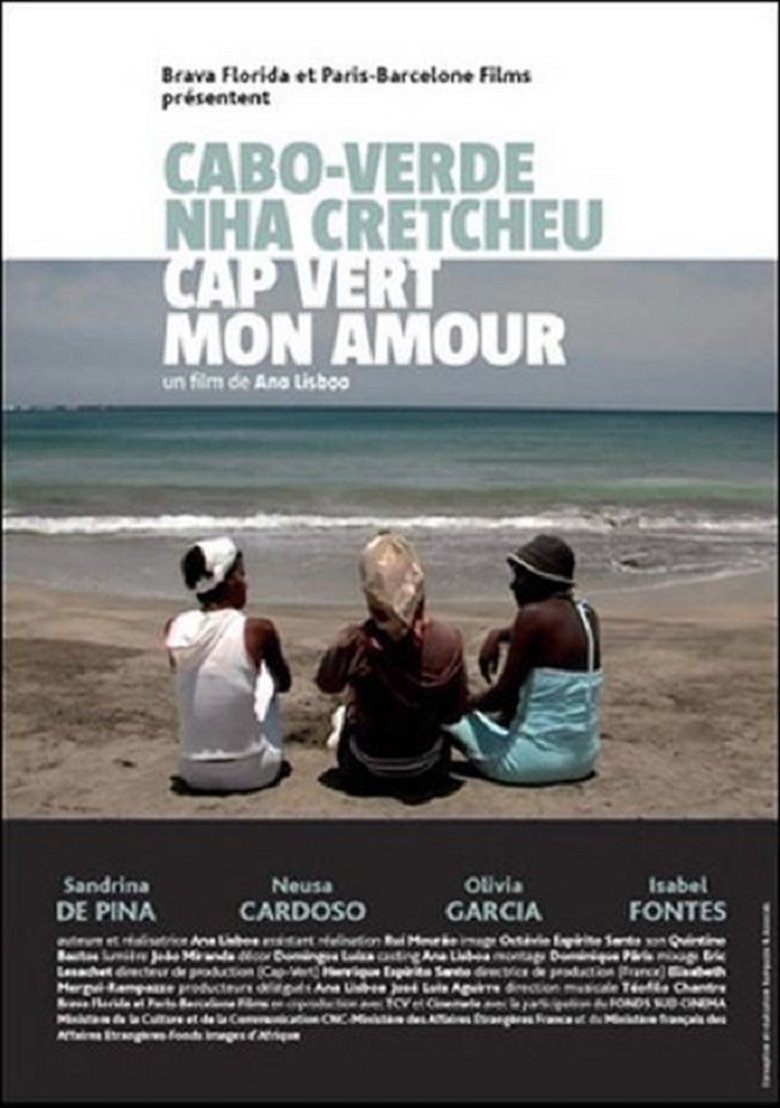
There's a question I kept coming back to while watching Cape Verde My Love: is this film melodramatic because it's taking dramatic liberties, or because that genuinely is what life looks like for women in Cape Verde? I haven't been able to shake it, and I think that's the highest compliment I can pay to a film that, on the surface, might seem rough around the edges.
And rough it is. The cinematography, the scripting, the performances. All of it carries that unpolished quality you often get from regional cinema made outside the big studio ecosystems. But here's the thing. That rawness doesn't work against the film. It works for it. There's an authenticity to the texture of it, a sense that you're watching something closer to a document than a production. I found myself leaning into that rather than away from it.
The subject matter is what really stays with you. The film doesn't flinch from abuse, in multiple forms, and it traces how different women respond to that abuse in very different ways. That alone makes it worth your time. Too often films like this settle for one kind of victim and one kind of response, but this one seems genuinely interested in the range of ways women survive, or don't, the worst that gets thrown at them. It's uncomfortable viewing in places, deliberately so.
Doing the A-Z World Movie Tour has opened my eyes to a pattern across several African films I've watched. I keep encountering stories built around abuse, rape, incest, grief and loss. At first I wondered if I was just landing on the wrong selections, but the more I watch, the more I think it reflects something filmmakers from the continent feel a genuine urgency to put on screen. It reminded me a little of my time with Sugar Cane Alley, which also carried that sense of a culture working through pain via the act of storytelling itself.
The melodrama question is the interesting one. Yes, the film piles on. If something terrible can happen, it does happen. The worst case is consistently the actual case. In a Hollywood film that would feel lazy, a shortcut to emotion. But I kept catching myself thinking: what if this isn't exaggeration? What if the melodrama is just realism by another name? Cinema is either an escape from life or a mirror of it, and this film sits awkwardly, deliberately I think, right on that line. It doesn't let you get comfortable with either reading.
I won't pretend it's a flawless piece of work. There are moments where the craft limitations do create distance rather than intimacy, and a tighter edit might have sharpened some of the film's arguments. But the ambition is clear, and the emotional honesty is consistent throughout. For a film representing a small island nation that rarely features in international cinema conversation, that matters a great deal.
Three and a half stars. Thought-provoking in the best sense, and a worthy stop on the tour.
Rating: ★★½ | Year: 2007 | Watched: 2025-05-31
Where to watch
Watch in the US
Physical: Amazon US
Affiliate disclosure: Movies With Macca may earn a small commission on purchases or subscriptions started via these links. It costs you nothing extra.
Related on Movies With Macca
More from France: Fantastic Planet (1973) · Letter from Siberia (1957) · Lessons of Darkness (1992) · Here and Elsewhere (1976)
More from the 2000s: Kirikou and the Wild Beasts (2005) · Anchorman: The Legend of Ron Burgundy (2004) · Daredevil (2003) · Apocalypto (2006)
More drama: Viy (1967) · Wonder (2017) · A Better Tomorrow (1986) · Beautiful Boy (2018)