Atlantics (2019)
★★★ — Atlantics (2019)

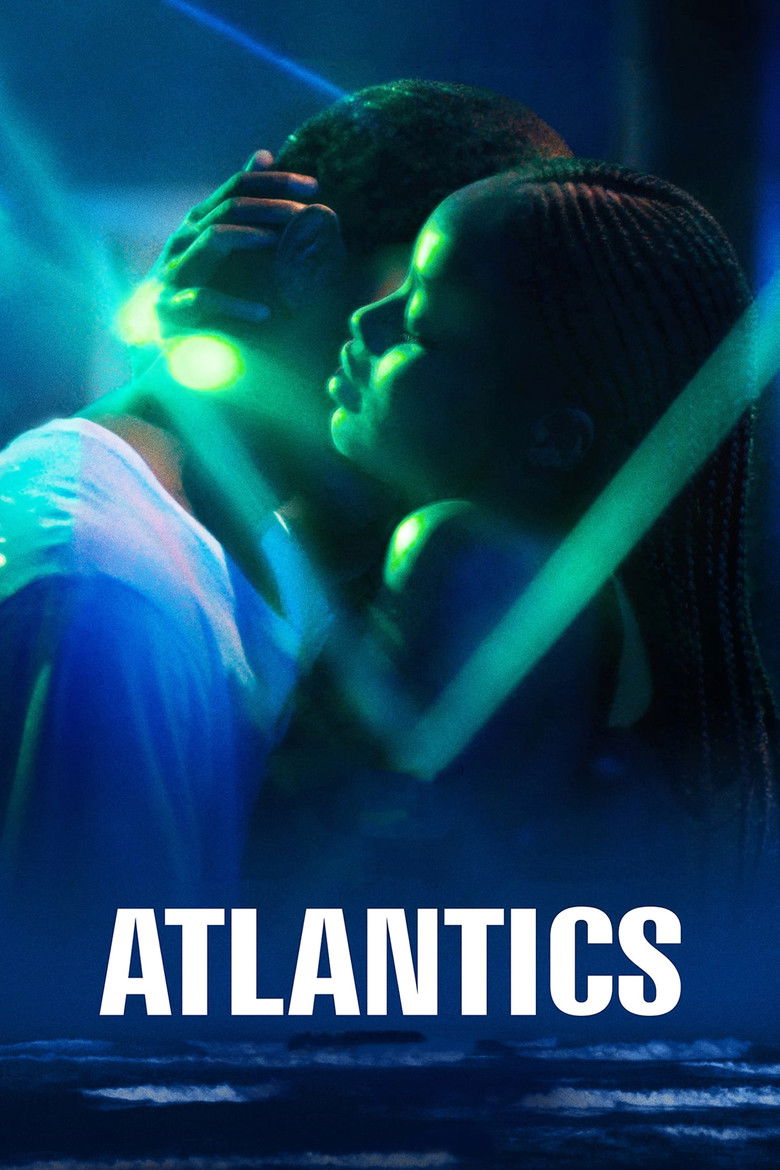
The ocean in Atlantics does not behave like scenery. It watches. It waits. It takes people and gives nothing back. Mati Diop understands this from the very first frame, and what she does with that understanding is quietly extraordinary.
I picked this up as part of my A-Z World Movie Tour, Senegal's entry, and I'll be honest: I wasn't entirely sure what I was walking into. What I got was one of the most visually arresting films I've seen in years. Long, unhurried shots of half-finished skyscrapers jutting up over dusty streets, cows grazing near construction sites, the Atlantic lapping at the edge of a Dakar that is changing faster than anyone can keep up with. The contrast between old and new, wealth and poverty, progress built on exploitation, is right there in the landscape from the opening minutes. Diop doesn't need to spell it out. The images do the work.
The story follows Ada, a young woman whose lover, along with other men from a local construction site, disappears into the sea after being denied wages they were owed. From there the film shifts, gradually and without much warning, into something stranger and more slippery. Part ghost story, part quiet rebellion, part meditation on grief and borders and the people a city leaves behind. It's dreamlike in the best and occasionally the most frustrating sense.
The mood here is something you feel more than follow. Diop handles the supernatural elements with real restraint, letting the atmosphere do the haunting rather than leaning on anything obvious. The sea isn't just a backdrop or a plot device. It becomes a kind of presence, a border and a grave at once, woven into almost every scene whether it's visible or not. That kind of filmmaking, where a location carries emotional weight and meaning rather than just being a pretty backdrop, reminded me of what I loved about Sugar Cane Alley, another film where a place and the people it traps feel inseparable from each other.
Where I have slightly mixed feelings is with the narrative itself. There are stretches where the film drifts, and not always in a way that feels purposeful. You're pulled in by the visuals and the emotion, and then the story loses a little momentum just when you want it to tighten its grip. It keeps you at arm's length at the moments you most want to be pulled in closer. That tension between the film's extraordinary atmosphere and its occasionally elusive plotting is real, and I think it's worth being honest about rather than brushing over it.
But here's the thing: even with those reservations, this is a landmark piece of work. Mati Diop became the first Black woman to have a film in competition at Cannes, and she won the Grand Prix. That matters, and the film earns it. It's bold in its stillness, uncompromising in its refusal to explain itself too tidily. The fact that it lingers with you long after the credits roll is proof enough that Diop is doing something right, even when the narrative leaves you wanting more.
Social commentary done with subtlety and beauty rather than slogans. Haunting, poetic, and important. I just wish it had trusted me enough to pull me all the way in.
Three and a half stars.
Rating: ★★★ | Year: 2019 | Watched: 2025-08-31
Where to watch
Watch in the UK
Stream: Netflix · Netflix Standard with Ads
Physical: Amazon UK · Zavvi
Watch in the US
Stream: Netflix · Netflix Standard with Ads
Physical: Amazon US
Affiliate disclosure: Movies With Macca may earn a small commission on purchases or subscriptions started via these links. It costs you nothing extra.
Related on Movies With Macca
More from France: Fantastic Planet (1973) · Letter from Siberia (1957) · Lessons of Darkness (1992) · Here and Elsewhere (1976)
More from the 2010s: Wonder (2017) · Beautiful Boy (2018) · The Witch (2015) · What We Do in the Shadows (2014)
More drama: Viy (1967) · Wonder (2017) · A Better Tomorrow (1986) · Beautiful Boy (2018)
More romance: The Eagle (1925) · The Last Picture Show (1971) · The General (1926) · The Docks of New York (1928)