
The Apartment (1960)
★★★★½ — The Apartment (1960)

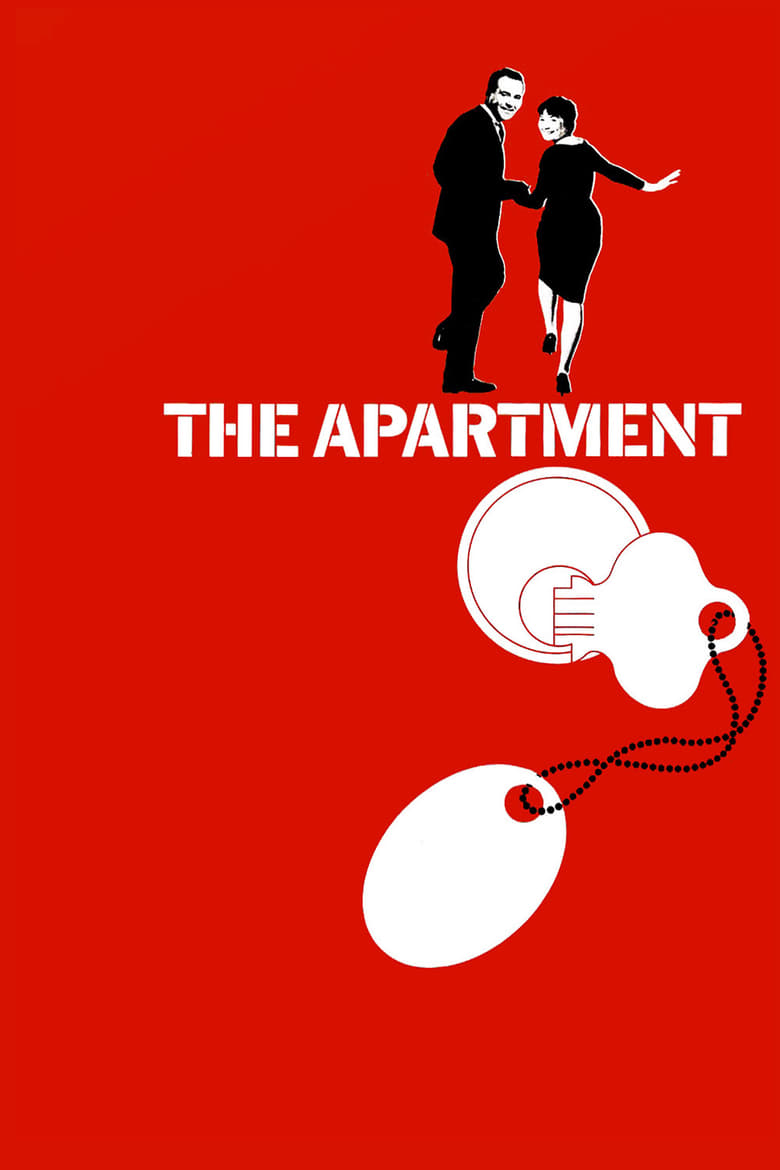
There's a moment in The Apartment where Jack Lemmon's C.C. Baxter is straining spaghetti through a tennis racket, alone in his own flat that isn't really his own, and it lands somewhere between funny and genuinely sad. That's Billy Wilder all over. That's this film all over. One second you're laughing, the next you're quietly gutted, and before you know it you're leaning forward in your seat not entirely sure which feeling is winning.
The setup is sharp and a little uncomfortable in the best possible way. Baxter is a low-level office drone clawing his way up the corporate ladder not through talent or hard work alone, but by lending his apartment to a string of married executives so they can conduct their affairs undisturbed. It's a satire of workplace culture that still stings today, all fluorescent lights and middle-management cowardice dressed up as ambition. The men above Baxter treat him like a service, not a person. He knows it, and he lets it happen anyway, and that's what makes him so interesting to watch.
Lemmon is absolutely brilliant here. There's a physical looseness to his performance, clumsy and endearing, but underneath it there's a man eaten alive by quiet desperation and a longing he can barely name. He makes Baxter somebody you genuinely root for, even when he's making all the wrong choices. And then there's Shirley MacLaine as Fran Kubelik. I'll be honest: this is the performance that stays with me. She brings a heartbreaking combination of vulnerability, wit and dignity to every scene she's in. Fran is not a passive figure. She's a woman navigating a world that keeps diminishing her, and MacLaine plays that with enormous grace. The chemistry between the two of them isn't just romantic, it's deeply empathetic. You feel like they genuinely see each other in a way that nobody else in their lives does.
The script is, frankly, extraordinary. Every line feels purposeful. The wit is sharp without being cruel, the sentiment is earned without ever curdling into schmaltz. Wilder and his co-writer handle loneliness, moral compromise and the slow crawl back to self-respect with real intelligence. If you've seen Witness for the Prosecution, you already know Wilder had a gift for scripts that feel airtight, but The Apartment goes somewhere emotionally warmer and more complicated than that film. It's a different side of him, and just as impressive.
The score is elegant without ever muscling in on the drama, which is exactly what it should be. The black-and-white cinematography gives the office scenes a kind of vast, oppressive quality, rows of identical desks stretching to the horizon, which says everything about the world Baxter is so desperate to rise through. And the flat itself becomes a character of sorts, a space that should be private but never is, a home that doesn't quite function as one.
Now, I'll own the one reservation. The final third does linger. After a genuinely shattering emotional centrepiece, the film spends a bit too long sitting in the aftermath before it can bring itself to move toward the ending. It doesn't derail things, but you feel it. The momentum dips when the film could probably have tightened its belt just slightly. That said, the payoff is absolutely worth the wait. The finale is quiet, almost throwaway in its delivery, and completely perfect. No big speeches, no swelling orchestra moment. Just two people choosing each other with full knowledge of who they are and what they've been through. It earns every bit of warmth it asks you to feel.
For anyone drawn to films that find the humanity inside workplace settings stripped of it, Glengarry Glen Ross makes for a fascinating companion piece, though it arrives at a much bleaker destination. Wilder allows his characters a kind of grace that David Mamet doesn't, and the contrast is telling.
Four and a half stars. Near-perfect filmmaking from one of Hollywood's all-time greats. The Apartment is about what it costs to be complicit, and what it takes to stop. It's funny, it's painful, and it's one of those films that leaves you sitting quietly for a moment after the credits roll, turning it over in your mind. The ones that do that are always the ones worth watching.
Rating: ★★★★½ | Year: 1960 | Watched: 2025-09-27
Where to watch
Watch in the UK
Stream: MUBI Amazon Channel · MGM Plus Amazon Channel
Rent: Apple TV Store · Rakuten TV · Amazon Video · Google Play Movies
Buy: Apple TV Store · Rakuten TV · Amazon Video · Google Play Movies
Physical: Amazon UK · Zavvi
Watch in the US
Stream: Philo · YouTube TV
Rent: Amazon Video · Apple TV Store · Google Play Movies · YouTube
Buy: Amazon Video · Apple TV Store · Google Play Movies · YouTube
Physical: Amazon US
Affiliate disclosure: Movies With Macca may earn a small commission on purchases or subscriptions started via these links. It costs you nothing extra.
Related on Movies With Macca
More from Billy Wilder: Witness for the Prosecution (1957)
More with Jack Lemmon: Glengarry Glen Ross (1992)
More from the 1960s: Viy (1967) · Persona (1966) · Carnival of Souls (1962) · Daisies (1966)
More comedy: The Eagle (1925) · The General (1926) · Americana (2023) · The Naked Gun: From the Files of Police Squad! (1988)
More drama: Viy (1967) · Wonder (2017) · A Better Tomorrow (1986) · Beautiful Boy (2018)



