Nazi Concentration Camps (1945)
Nazi Concentration Camps (1945)

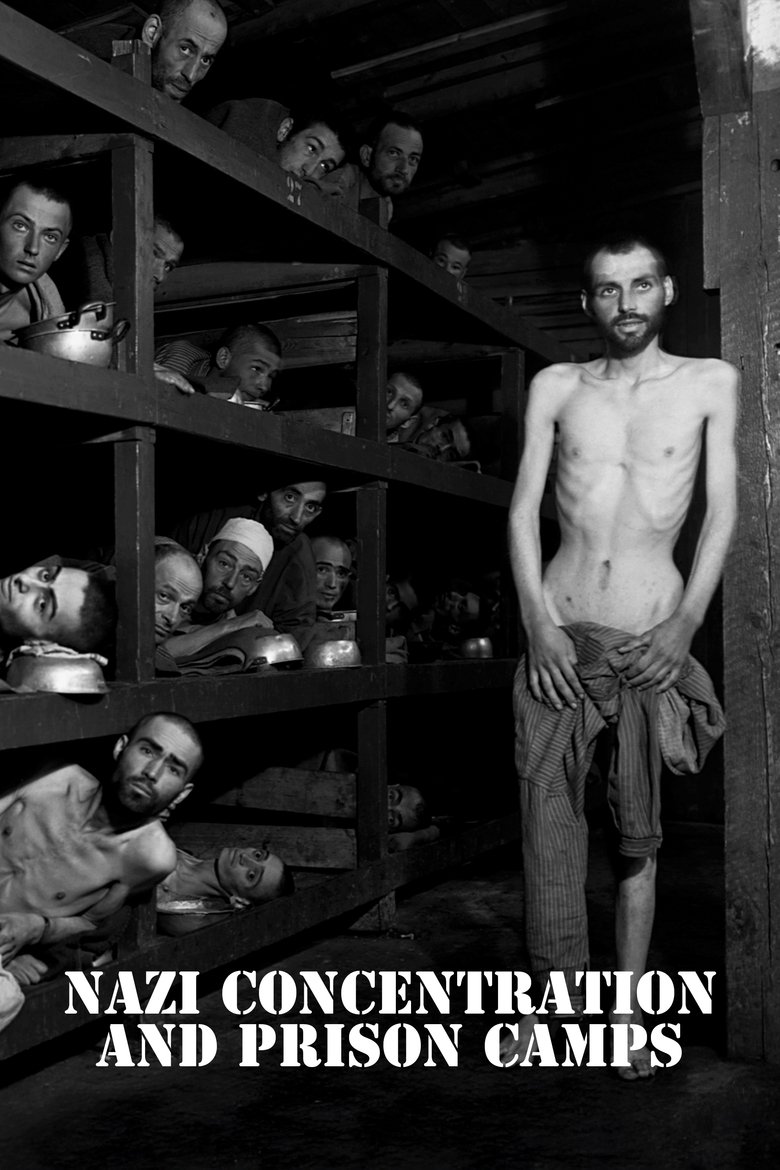
I don't have a rating for this one. I can't give it one. The usual critical vocabulary, the star system, the question of whether a film "works" or not, none of it applies here. Nazi Concentration Camps is a 1945 documentary compiled from footage shot by Allied forces as they liberated the camps. It is a record of what human beings did to other human beings. You don't rate that. You bear witness to it, or you look away.
I'm going to be honest with you: I'm not sure how to write this review. Every instinct I have about discussing film feels faintly obscene when applied to this material. Talking about editing, or pacing, or the construction of the thing, feels like the wrong register entirely. And yet saying nothing beyond "it's upsetting" seems like a disservice to what the footage actually contains and what it was made to do.
Because it was made to do something specific. This wasn't assembled for posterity in any gentle archival sense. It was compiled as evidence, shown at the Nuremberg Trials, intended to put the reality of the camps in front of people who might otherwise have found ways to doubt or diminish what had happened. It was made to close off the exits. To make denial impossible.
And it does that. Completely. What you see in this film are the bodies, the survivors, the infrastructure of industrialised murder. There is no dramatisation, no reconstruction, no narration softening the edges into something more bearable. The camera goes where it went because soldiers with cameras were actually there. Every frame is the real thing.
I found myself thinking about the difference between a film that is difficult to watch and a film that is impossible to watch. Most films I'd describe as hard going, I mean that they're emotionally draining, or disturbing in their themes, or unflinching in ways that commercial cinema usually isn't. I've written about Werner Herzog's Lessons of Darkness (1992), which confronts environmental catastrophe in ways that feel almost apocalyptic, and that sits with you for days. But there's still an aesthetic layer there, a filmmaker's sensibility shaping what you're seeing. Here, there is no such layer to hide behind. The footage simply is what it is.
I don't recommend this film in the way I'd recommend any other. I'm not going to tell you it's a must-see in the sense of an enriching experience, because it isn't one. It will not enrich you. It will not entertain you. It will not leave you feeling that cinema is a wonderful thing. What it might do, if you choose to sit with it, is make certain facts about the twentieth century permanently, physically real to you in a way that reading about them does not. Whether that's something you need, or want, or can bear, is entirely your own business.
What I will say is this: the people on screen were real. That sounds obvious, but it bears saying plainly. They were real people, with lives and families and futures that were taken from them through a systematic, deliberate, bureaucratically organised programme of murder. The footage exists because some of them survived long enough to be found by Allied soldiers, and because those soldiers understood, even then, that the world would need to see this.
I watched it. I won't watch it again. I won't pretend it was anything other than one of the most disturbing experiences I've had in front of a screen. There is no rating. There is only the fact of it.
Rating: Not rated | Year: 1945 | Watched: 2025-12-02
Where to watch
Watch in the UK
Rent: Amazon Video
Buy: Amazon Video
Physical: Amazon UK · Zavvi
Watch in the US
Stream: fuboTV · MGM+ Amazon Channel · MGM Plus · FlixFling
Rent: Amazon Video · FlixFling
Buy: Amazon Video · FlixFling
Physical: Amazon US
Affiliate disclosure: Movies With Macca may earn a small commission on purchases or subscriptions started via these links. It costs you nothing extra.
Related on Movies With Macca
More from the 1940s: Louisiana Story (1948) · The Ox-Bow Incident (1943) · Men Without Wings (1946) · The Bank Dick (1940)
More documentary: Letter from Siberia (1957) · Lessons of Darkness (1992) · Style Wars (1983) · Here and Elsewhere (1976)
More history: Apocalypto (2006) · Rio 2096: A Story of Love and Fury (2013) · Harakiri (1962) · Night and Fog (1956)