Candomblé in Togo (1972)

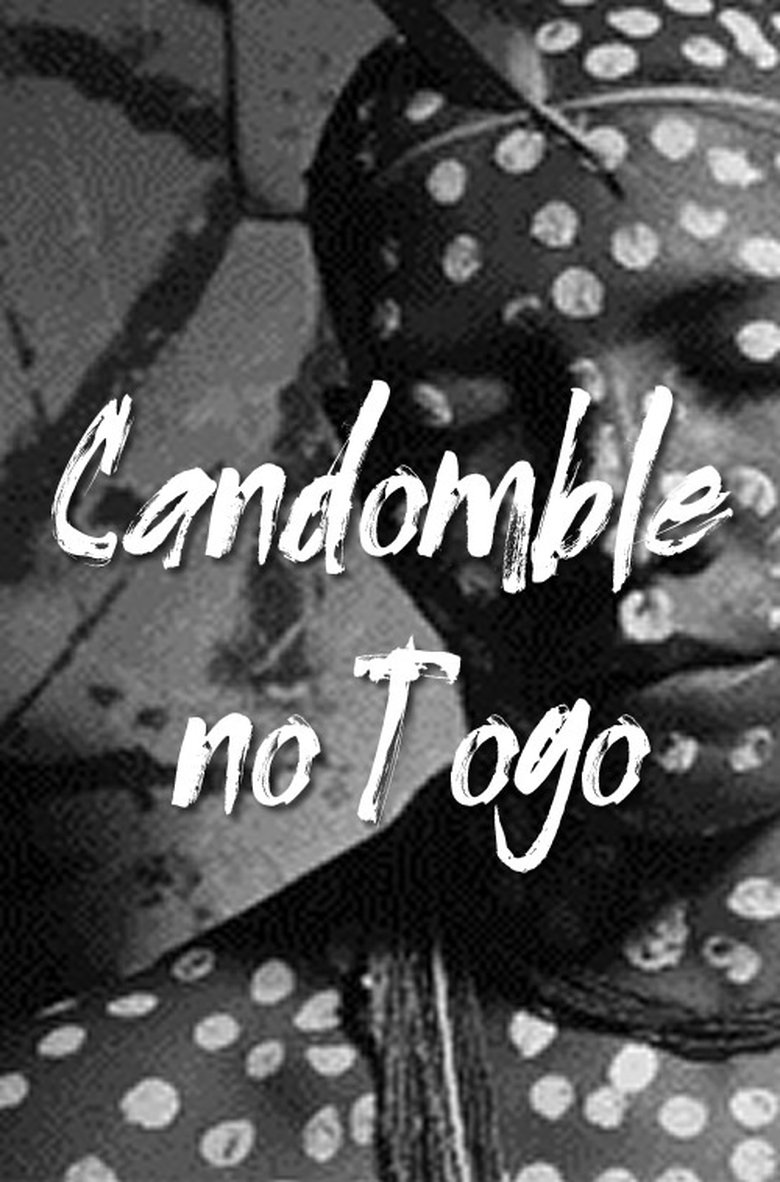
Twenty minutes. That's all it asks of you. And yet somehow, Candomblé in Togo still manages to feel like an imposition.
Directed by José Agripino de Paula, this 1972 short is, by any honest measure, barely a film. What you get is handheld footage of traditional Candomblé dancing, set to music, with no narration, no contextual framing, no structure, and no apparent interest in bringing you along for the ride. It's the cinematic equivalent of stumbling into the back of a ceremony you weren't invited to, peering through a doorway, and then being left to work out for yourself what any of it means. Which, if you're like me and don't already have a grounding in Candomblé's symbolism and liturgy, is absolutely nothing.
And I want to be careful here, because the practice itself is not the problem. Candomblé is a rich, layered spiritual tradition with deep roots across West Africa and the African diaspora. There's real meaning in these movements, in the music, in the communal ritual of it all. The problem is that the film makes zero effort to share any of that meaning with you. It just points a camera at it and lets the tape run.
Technically, it's rudimentary to the point of abstraction. The image is grainy and unstable, the framing is haphazard at best, and the sound has all the fidelity of something recorded onto a cassette that's already been recorded over twice. There's no editing rhythm. There's no visual storytelling. There's no sense that anyone behind the camera was thinking about how a viewer, particularly one unfamiliar with what they're seeing, might experience this. If you already know what you're looking at, perhaps there's something to hold onto. If you don't, you're simply watching people move to music for twenty minutes, and then it ends.
Now, I don't want to be entirely dismissive, because context matters. Togo has an extremely limited cinematic infrastructure, and any completed piece of filmmaking from that national tradition carries historical weight almost by default. This footage captures a moment, a community, a living practice. For anthropologists, cultural historians, or diaspora viewers for whom this represents something personally significant, that documentation has genuine value. I won't argue against that.
But significance and watchability aren't the same thing. And as a piece of cinema, as something you sit down to experience, this offers almost nothing. It reminded me a little of my time with Here and Elsewhere, another film that forces you to sit with footage that resists easy interpretation. The difference there is that the resistance is the point, that there's an argument being constructed through the discomfort. Here, there's no argument. There's just footage.
The single star is for existing. It's a finished work. It documents something real. It's a fragment of Togolese media history, and that fragment belongs somewhere, probably in an archive, probably with accompanying notes from someone who can actually explain what you're looking at. As a standalone viewing experience for a general audience? It earns nothing beyond that one star, and even that feels generous on a bad day.
Watch it if you're researching West African spiritual traditions or working through a completionist catalogue of global short-form media. Otherwise, you'll spend twenty minutes watching dancing you can't contextualise, to music you can't place, with no payoff at the end. And then you'll wonder why you didn't just put something else on.
One star.
Rating: ★ | Year: 1972 | Watched: 2026-06-02