Balibo (2009)
★★★ — Balibo (2009)

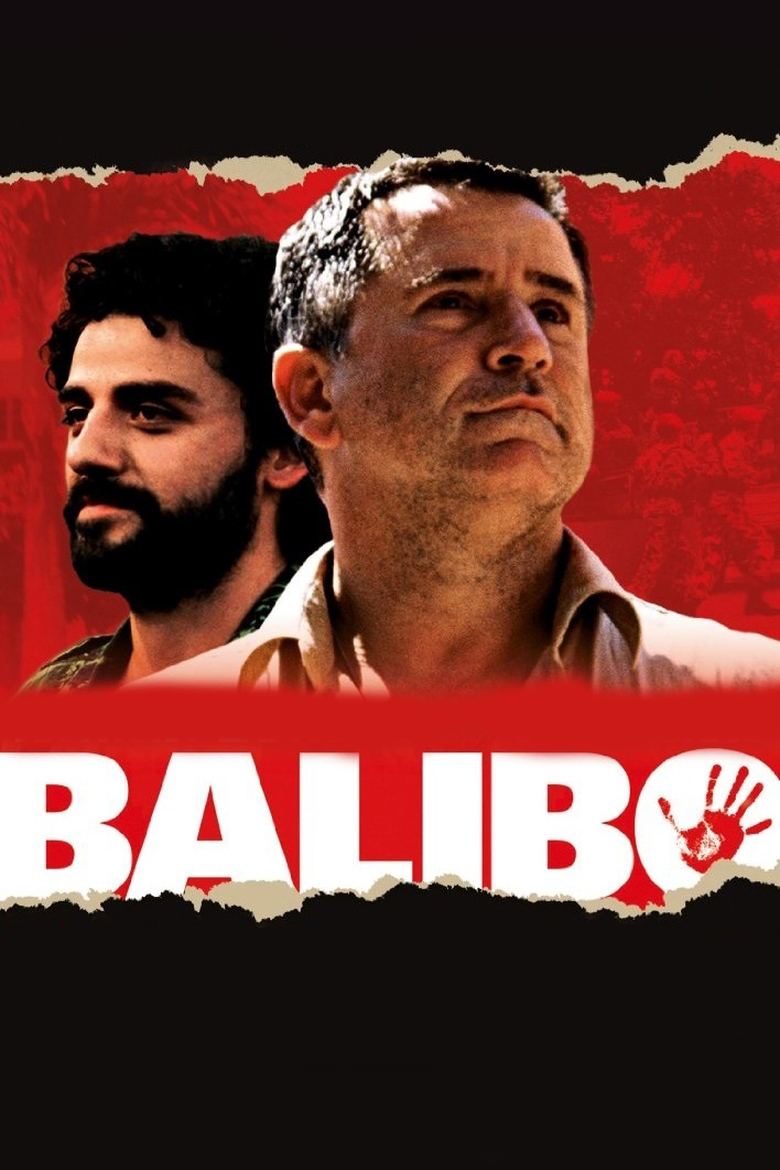
Some stories deserve to be told even when the telling is imperfect. The story of the Balibo Five, Australian-based journalists killed during Indonesia's 1975 invasion of East Timor, is exactly that kind of story. Forgotten by governments, buried by politics, and ignored for decades, it's a chapter of history that demanded a film like this. And for the most part, Balibo rises to that responsibility.
Anthony LaPaglia is the heart of the film, playing Roger East, the grizzled, idealistic journalist who travels to Dili determined to find out what happened to his colleagues. There's something quietly devastating about his performance. East isn't a crusader in the showy Hollywood sense. He's stubborn, principled, a bit worn around the edges, and utterly convincing as a man who understands the danger he's walking into and walks in anyway. You feel his growing dread settling in like a low fever, and LaPaglia carries that weight without ever overdoing it. It's a genuinely fine piece of acting that anchors everything around it.
The film doesn't flinch from the horror of what happened, or from the political cover-up that followed. That moral courage matters. You can feel the outrage simmering beneath every scene, a refusal to let these deaths be quietly absorbed into the background noise of Cold War geopolitics. The production values are strong, and the cinematography does real work, capturing both the tropical beauty of East Timor and the creeping, suffocating tension of a country on the brink. The soundtrack, too, earns its place. Haunting rather than manipulative, it adds sorrow and urgency without trying to do the audience's emotional work for them.
Where Balibo runs into trouble is with its structure. The film moves between timelines, blending dramatisation with documentary-style footage, and while that approach is clearly deliberate, it doesn't always land cleanly. There were moments when I found myself genuinely unsure of when things were happening or which of the journalists I was watching. When you're dealing with real people and real events, that kind of confusion is more than an inconvenience. It risks undermining the very clarity the film is trying to fight for. The intention is to build layered suspense and deepen the emotional impact, and sometimes it works. But sometimes it just muddles what ought to be a straightforward, devastating story.
It's a shame, because the underlying material is so powerful that it doesn't need the additional complexity. The facts alone are harrowing enough. The cover-up alone is enraging enough. When the film trusts that and stays grounded, particularly in LaPaglia's scenes, it's genuinely affecting. When it reaches for something more formally ambitious, the results are mixed.
I should say, this was my stop for Timor-Leste on my A-Z World Movie Tour, and it's not a country whose cinema gets much attention. So there's something worth acknowledging in just having this film exist. It's a record. It's testimony. Whatever its structural shortcomings, Balibo refuses to let these people be forgotten, and you feel that commitment in every frame.
Three stars. Not a perfect film by any measure, but an important one. Passionately made, well-acted, and morally urgent in a way that genuinely counts. If you care about press freedom, about political accountability, about the kind of history that gets quietly swept aside, this one's worth your time. Just maybe keep a pen handy to track the timeline.
Rating: ★★★ | Year: 2009 | Watched: 2025-09-11
Where to watch
Watch in the UK
Stream: Amazon Prime Video · Amazon Prime Video with Ads
Rent: Amazon Video
Buy: Apple TV Store · Amazon Video
Physical: Amazon UK · Zavvi
Watch in the US
Stream: fuboTV
Physical: Amazon US
Affiliate disclosure: Movies With Macca may earn a small commission on purchases or subscriptions started via these links. It costs you nothing extra.
Related on Movies With Macca
More from Australia: Ocean with David Attenborough (2025) · Street Fighter (1994) · We Bury the Dead (2024) · Bluey at the Cinema: Playdates with Friends (2026)
More from the 2000s: Kirikou and the Wild Beasts (2005) · Anchorman: The Legend of Ron Burgundy (2004) · Daredevil (2003) · Apocalypto (2006)
More drama: Viy (1967) · Wonder (2017) · A Better Tomorrow (1986) · Beautiful Boy (2018)
More mystery: Mononoke the Movie: The Phantom in the Rain (2024) · Mononoke the Movie: Chapter II - The Ashes of Rage (2025) · Carnival of Souls (1962) · One Way or Another (1975)