The Metal Foundry (1984)
★ — The Metal Foundry (1984)

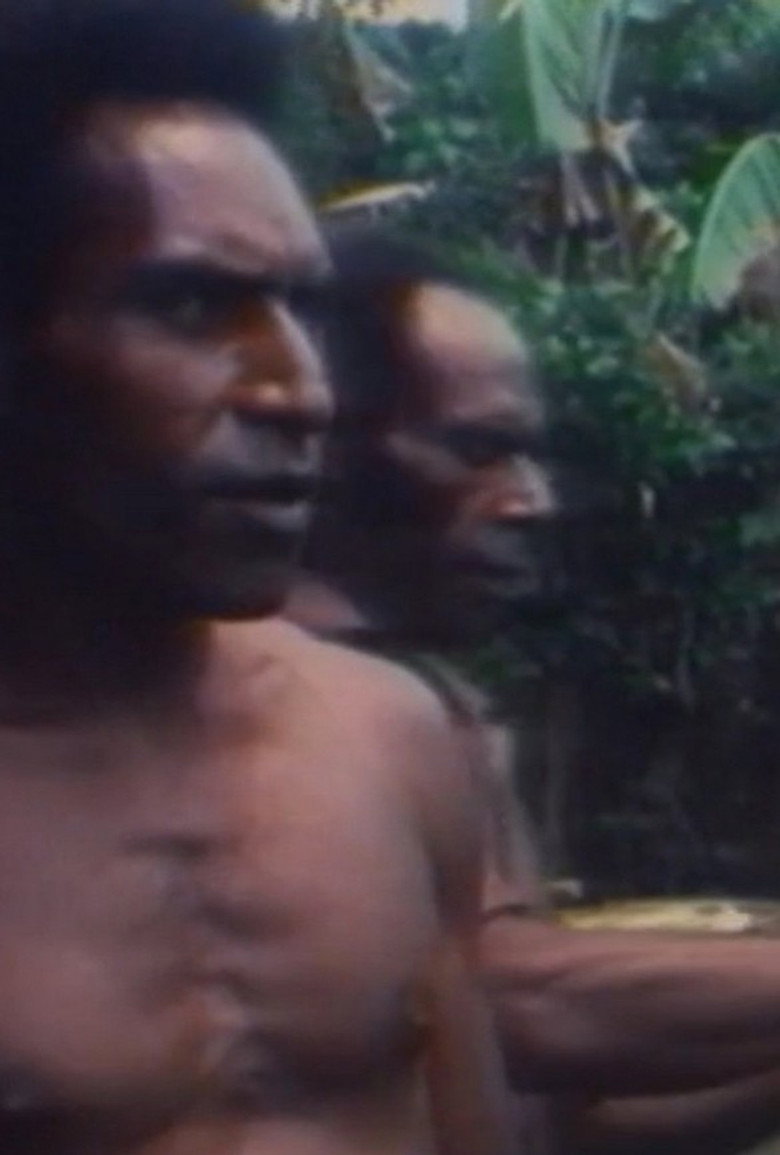
Sometimes the A-Z World Movie Tour throws up a genuine gem from a corner of the world you'd never normally visit on a Friday night. And sometimes it throws up eighteen minutes of muffled, barely audible agony from Papua New Guinea. The Metal Foundry, I'm sorry to say, falls firmly into the second camp.
Let me be clear about something straight away: a lot of my frustration here isn't really with the film itself, it's with the version I was able to track down. The picture quality is woeful, grainy and washed out in a way that goes well beyond charming vintage roughness. But the real killer is the overdub. The English audio is so thoroughly buried, so indistinct, that sitting through eighteen minutes of it feels like trying to have a conversation through a wall. You catch a word here, a phrase there, and spend the rest of the time guessing. It's exhausting in a way that a short film really shouldn't be able to manage.
Which is a genuine shame, because the subject matter is actually quite interesting on paper. The premise, as far as I could piece it together, is this: a metal foundry whose owner had abandoned it was taken over by the local Papua New Guinean workers, who then kept it running themselves, continuing to service orders and handle the day-to-day operations without him. There's a real story in there about community, self-sufficiency and resilience. The kind of story that, handled well, could make for a quietly compelling short documentary, something in the spirit of the films I've covered elsewhere on this tour, like Letter from Siberia (1957), where even a modest runtime can leave a real impression if the craft is there.
But the craft isn't really there, or if it is, the presentation of this particular copy makes it impossible to appreciate. I genuinely couldn't tell you whether there's a strong argument being made, whether the workers are given proper space to speak for themselves, or whether this is more of a detached observational piece. The audio makes the whole thing impenetrable. It'd be like trying to judge a painting through frosted glass.
Eighteen minutes. That's all it asks of you. And yet I found myself watching the clock in a way I rarely do, even with films I'm not enjoying. There's something particularly deflating about a short that can't hold your attention for less than twenty minutes, and something doubly deflating about not being able to tell if that's the film's fault or the fault of the only surviving copy floating around online.
I want to be fair. Papua New Guinea is not a country with a vast cinematic output, and the A-Z tour is precisely about seeking out the overlooked and the obscure. I respect that this exists at all, and I respect anyone who thought this story was worth documenting. But I can only review what I watched, and what I watched was a murky, incoherent struggle from start to finish.
One star, and honestly that's partly out of sympathy for the subject matter rather than anything the viewing experience earned. If a cleaner copy ever surfaces, maybe I'd revisit it. But I wouldn't hold your breath, and I certainly wouldn't go out of your way to hunt down the version that's currently out there. Life's too short, even for an eighteen-minute film.
Rating: ★ | Year: 1984 | Watched: 2025-08-12
Related on Movies With Macca
More from France: Fantastic Planet (1973) · Letter from Siberia (1957) · Lessons of Darkness (1992) · Here and Elsewhere (1976)
More from the 1980s: Nightmare City (1980) · A Better Tomorrow (1986) · Style Wars (1983) · Garlic Is as Good as Ten Mothers (1980)
More documentary: Letter from Siberia (1957) · Lessons of Darkness (1992) · Style Wars (1983) · Here and Elsewhere (1976)