The Brood (1979)
★★★ — The Brood (1979)

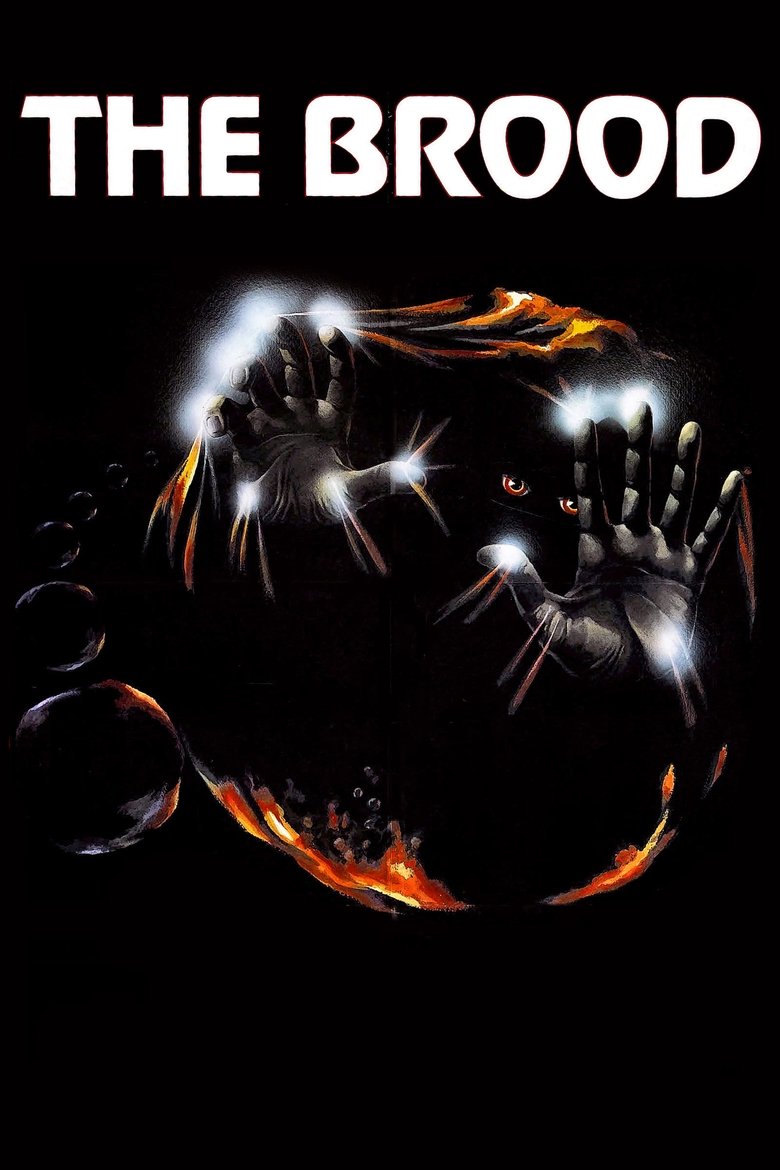
There's a moment in The Brood where you realise you're not watching the film you thought you'd signed up for. What started as a slow, genuinely unsettling psychological thriller has quietly morphed into something far stranger and more visceral. That pivot is both the most interesting thing about this film and, depending on your tolerance for Cronenberg's particular brand of chaos, its biggest stumbling block.
The setup is compelling. A man is trying to understand what's happening to his wife, who's undergoing an experimental form of therapy at an institute run by a charismatic, unorthodox therapist. Oliver Reed plays that therapist, and he's magnetic in the way Reed always was, bringing a kind of coiled intensity to every scene he occupies. You believe in him completely, which makes the whole enterprise feel grounded even as the edges begin to fray. The atmosphere in these early stretches is thick with dread. The pacing is deliberate. It genuinely creeps under your skin.
Then the creatures turn up, and the film shifts gear so sharply it's almost whiplash-inducing. We're suddenly in B-movie territory, and the pseudoscience holding it all together starts straining at the seams. Grotesque body horror imagery takes over from psychological tension, and while that's very much Cronenberg's wheelhouse (and I can appreciate it on those terms), the transition isn't seamless. It's jarring, almost surreal in a way that feels accidental rather than deliberate. The dread that had been so carefully constructed starts to dissipate, replaced by a kind of bewildered fascination.
What's genuinely interesting is what the film is reaching for. This is Cronenberg processing something real, his anxieties about family breakdown, about repressed emotion made flesh, about the damage parents pass down to children whether they mean to or not. The concept of rage externalising itself as physical matter is bold, disturbing, and entirely his own. You can feel a filmmaker working something out on screen, and there's real value in that. But feeling the intention and being fully carried along by the execution are two different things, and The Brood occasionally loses me in the gap between them.
The script asks a lot of the audience without always giving enough back. By the end, I was more puzzled than frightened, more impressed by the film's nerve than moved by its story. The climax commits fully to the body horror in a way that's undeniably bold, but bold and satisfying aren't the same thing. You're left turning it over in your head, not because it rewards that turning over in the way that, say, A History of Violence does with its own violent metaphors, but because you're still not entirely sure what you've seen.
Fans of Cronenberg's early work will find plenty to chew on here. Fans of offbeat, weird-for-the-sake-of-weird 70s horror will probably love it. As a cult curio, it absolutely earns its reputation. But as a cohesive narrative that lands its ambitions cleanly? It doesn't quite get there.
Three stars. Fascinating, flawed, and unlike anything else. Just don't go in expecting clarity, because Cronenberg isn't offering any. Embrace the weirdness or don't, but I'd say it's worth at least one watch.
Rating: ★★★ | Year: 1979 | Watched: 2026-04-13
Where to watch
Watch in the UK
Stream: Amazon Prime Video · Shudder · Shudder Amazon Channel · Amazon Prime Video with Ads
Rent: Apple TV Store · Amazon Video · Sky Store
Buy: Apple TV Store · Amazon Video · Sky Store
Physical: Amazon UK · Zavvi
Watch in the US
Stream: HBO Max Amazon Channel · Brew · HBO Max
Rent: Amazon Video · Apple TV Store · Fandango At Home
Buy: Amazon Video · Apple TV Store · Fandango At Home
Physical: Amazon US
Affiliate disclosure: Movies With Macca may earn a small commission on purchases or subscriptions started via these links. It costs you nothing extra.
Related on Movies With Macca
More from David Cronenberg: A History of Violence (2005)
More with Oliver Reed: Lion of the Desert (1980)
More from Canada: History of the World in Three Minutes Flat (1980) · Resident Evil: Retribution (2012) · Resident Evil: The Final Chapter (2016) · Resident Evil: Afterlife (2010)
More from the 1970s: Fantastic Planet (1973) · Here and Elsewhere (1976) · Italianamerican (1974) · Punishment Park (1971)
More horror: Invasion of the Body Snatchers (1956) · Viy (1967) · Nightmare City (1980) · Angst (1983)
More science fiction: Invasion of the Body Snatchers (1956) · Fantastic Planet (1973) · Nightmare City (1980) · The Long Walk (2025)