The Broadway Melody (1929)
★½ — The Broadway Melody (1929)

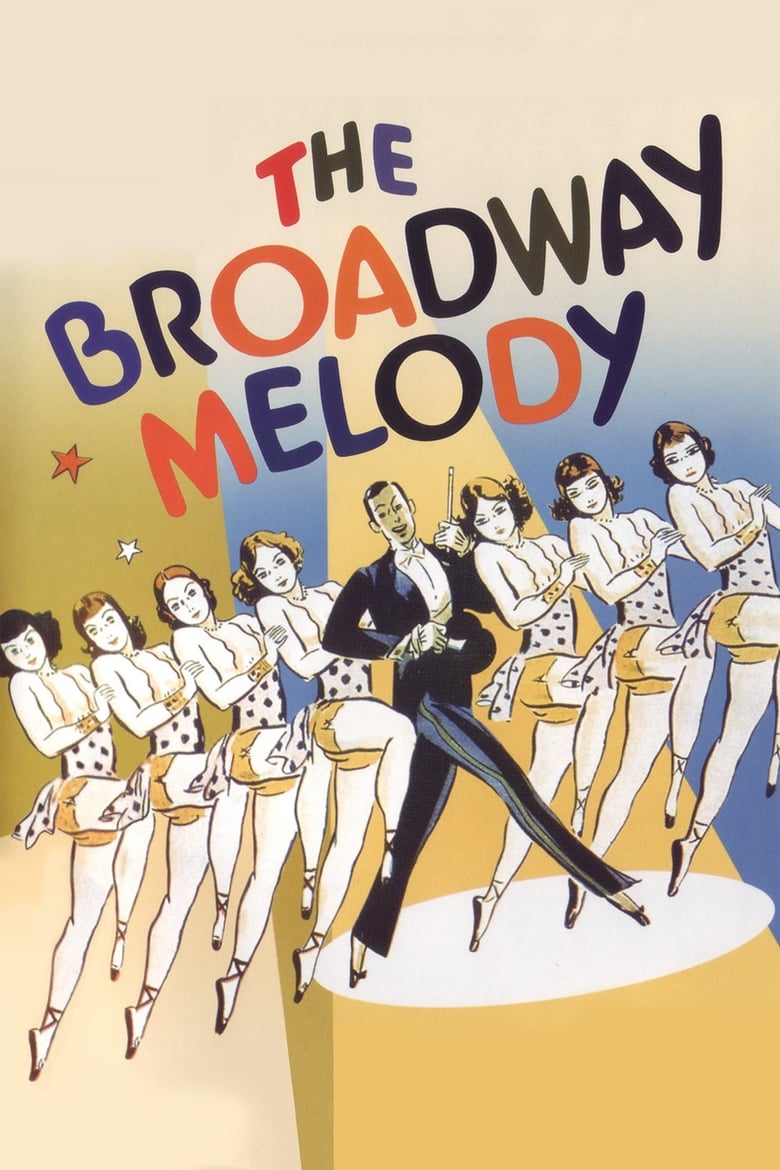
Here's a question worth asking before you sit down with The Broadway Melody: are you watching a film, or visiting a museum exhibit? Because there is a real difference, and this one falls firmly into the second category. It won Best Picture at the Academy Awards, the first sound film ever to do so, and that fact alone is why anyone still talks about it. As entertainment? Nearly a century on, it's rough going.
I'll give it its due. In 1929, the sheer novelty of hearing actors sing, speak and dance in synchronised sound must have felt like a miracle. Audiences had never experienced anything quite like it, and the excitement around early talkies was genuine and understandable. Knowing that history, you can squint and almost imagine the electricity in those original picture houses. Almost. But appreciating something in its historical context and actually enjoying it are two very different things, and The Broadway Melody makes that gap feel enormous.
The story follows two sisters trying to make it on Broadway, their ambitions tangled up with rivalry and romance. It's thin stuff, and the characters are paper-thin to match. Nobody here feels like a real person so much as a function of the plot, moved around to hit whatever emotional beat the script requires next, regardless of whether any of it lands. It doesn't. The dialogue is clunky, the acting is theatrical in that stagey early-talkie way that tips quickly from charming into cringe-inducing, and the whole thing has the emotional weight of a dress rehearsal nobody told anyone was being filmed.
The musical numbers are where I'd hoped it might at least come alive, but they're shot with all the dynamism of a security camera. Flat angles, static compositions, no real choreography worth the name. "You Were Meant for Me" has a sliver of warmth to it, I'll grant that, but even there it feels like a rough draft rather than a finished performance. Compare it to what the genre would manage just a few years later and the distance is staggering. There's no invention here, no joy in the camera's movement, no sense that anyone behind the lens was thinking about what film could do that the stage couldn't.
What it does do, unintentionally, is show you just how much work there was still to be done. The technology was brand new and the constraints were severe, but other filmmakers of the same period were doing extraordinary things within those limitations. I think about something like The Docks of New York, made the year before, and the sheer visual confidence on display there. Or The General (1926), which is propulsive and inventive and alive in every single frame. The Broadway Melody, by contrast, seems almost afraid to be a film. It plants the camera, points it at the action, and trusts that the novelty of sound will carry things. By 1929, that wasn't enough.
I don't want to be completely uncharitable. Watching it as a piece of film history has a certain fascination, and if you're working through the Oscar Best Picture winners in order, you absolutely have to see it. It's a genuine landmark, a line in the sand, the moment the Academy said: this is what cinema sounds like now. That matters. But mattering historically and being good are not the same thing, and I'd struggle to recommend this to anyone who isn't ticking a box or writing an essay.
One and a half stars. A relic more than a film. Worth a single watch for the context, and probably not a second one for anything else.
Rating: ★½ | Year: 1929 | Watched: 2025-11-10
Where to watch
Watch in the UK
Rent: Apple TV Store
Buy: Apple TV Store
Physical: Amazon UK · Zavvi
Watch in the US
Rent: Amazon Video · Apple TV Store · Google Play Movies · YouTube
Buy: Amazon Video · Apple TV Store · Google Play Movies · YouTube
Physical: Amazon US
Affiliate disclosure: Movies With Macca may earn a small commission on purchases or subscriptions started via these links. It costs you nothing extra.
Related on Movies With Macca
More from the 1920s: The Eagle (1925) · The General (1926) · The Docks of New York (1928) · A Throw of Dice (1929)
More music: Style Wars (1983) · 8 Mile (2002) · Chicken for Linda! (2023) · Tender Mercies (1983)
More romance: The Eagle (1925) · The Last Picture Show (1971) · The General (1926) · The Docks of New York (1928)