Perfect Blue (1997)
★★★★ — Perfect Blue (1997)

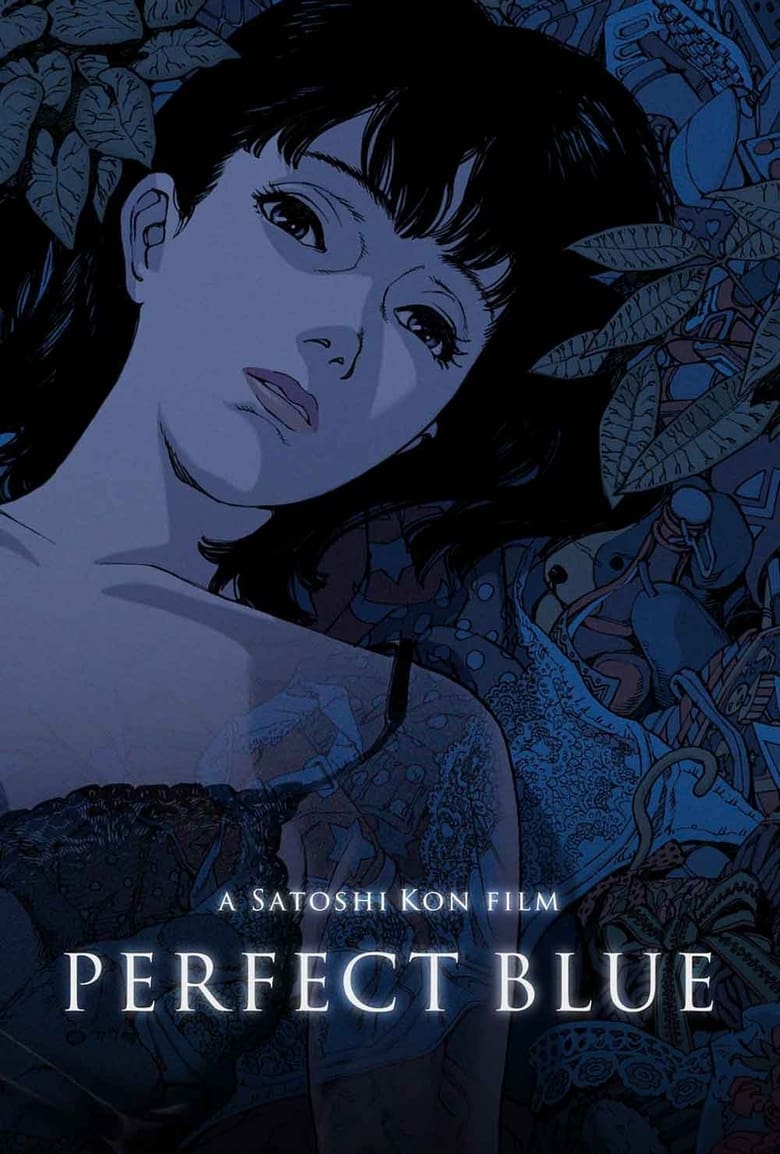
There's a moment in Perfect Blue where you genuinely cannot tell what's real. Not in a way that feels like a cheat or a trick, but in a way that makes your skin crawl because the film has been slowly, carefully loosening your grip on reality for the past hour. That's Satoshi Kon at work, and it's an experience I haven't quite shaken since watching it.
The setup sounds almost straightforward: Mima, a pop idol in a girl group, decides to leave the safety of bubblegum pop behind and try her hand at acting. What follows is anything but straightforward. Fame has a way of eating people alive in this film, and the pressure of reinvention, obsessive fans, and a deeply sinister internet presence (especially striking given when this was made) begins to fracture Mima's sense of self in genuinely disturbing ways. The line between performance and reality doesn't just blur here, it dissolves entirely, and Kon uses every tool at his disposal to drag you into that disorientation alongside her.
The hand-drawn animation is something else. It's crisp and expressive in the quieter moments, then becomes almost feverish during the film's surreal sequences: reflections that don't quite match, rooms that shift when you're not looking directly at them, faces that morph with an unsettling fluidity. This is a film that understands what animation can do that live action simply cannot, namely make the physical world feel unreliable. The score and sound design are doing equal heavy lifting, building a constant low hum of paranoia underneath everything. It's the kind of film where even the silence feels threatening.
I've spent time with some genuinely bold animated work recently. My reviews of Mononoke the Movie: The Phantom in the Rain (2024) and Mononoke the Movie: Chapter II - The Ashes of Rage (2025) touched on how Japanese animation can use visual style to access something genuinely primal and unsettling. Perfect Blue is arguably where that tradition in psychological horror animation found its defining early statement.
But here's where I'll push back against some of the hype, because I think it's worth being honest: I've seen this described as the greatest animated film ever made, and I don't think it comes close to earning that crown. The middle act drags. There are a handful of narrative threads that feel underexplored, threads that could have added real texture but instead get left hanging. These aren't fatal flaws, but they're real ones, and the film's reputation occasionally seems to smooth them out of existence in the retelling.
What Kon achieves here is remarkable precisely because of how controlled it is. The psychological horror doesn't rely on gore for effect (though the film doesn't shy away from violence when it needs to). It relies on sustained unease, on the creeping dread of watching someone lose the thread of who they actually are. Identity, celebrity, obsession, the way an audience can project a version of you that bears no resemblance to the person behind the image: these are themes that have only grown more pointed in the years since release.
So where does that leave us? Four stars, comfortably. Brilliant, daring, artistically cohesive in a way that very few thrillers, animated or otherwise, manage to pull off. A film I'd press into the hands of anyone who thinks animation is a genre rather than a medium, or anyone who loves psychological thrillers and hasn't yet seen what Kon could do with the form. Just not, for my money, the untouchable masterwork some would have you believe. But then, "one of the most daring and disturbing films of its era" is hardly a slight.
Four stars.
Rating: ★★★★ | Year: 1997 | Watched: 2026-03-02
Where to watch
Watch in the UK
Stream: Netflix · Netflix Standard with Ads
Rent: Apple TV Store · Amazon Video · Sky Store
Buy: Apple TV Store · Amazon Video · Sky Store
Physical: Amazon UK · Zavvi
Watch in the US
Stream: HBO Max Amazon Channel · HBO Max
Rent: Amazon Video · Apple TV Store · Google Play Movies · YouTube
Buy: Amazon Video · Apple TV Store · Google Play Movies · YouTube
Physical: Amazon US
Affiliate disclosure: Movies With Macca may earn a small commission on purchases or subscriptions started via these links. It costs you nothing extra.
Related on Movies With Macca
More from Japan: Mononoke the Movie: The Phantom in the Rain (2024) · Mononoke the Movie: Chapter II - The Ashes of Rage (2025) · Blue (1993) · The Ghost of Yotsuya (1959)
More from the 1990s: Lessons of Darkness (1992) · Shinjuku Boys (1995) · Blue (1993) · Cemetery Man (1994)
More animation: Fantastic Planet (1973) · Alice in Wonderland (1951) · Mononoke the Movie: The Phantom in the Rain (2024) · Mononoke the Movie: Chapter II - The Ashes of Rage (2025)
More thriller: Invasion of the Body Snatchers (1956) · Angst (1983) · The Long Walk (2025) · Punishment Park (1971)