Mortal Kombat (1995)
★★ — Mortal Kombat (1995)

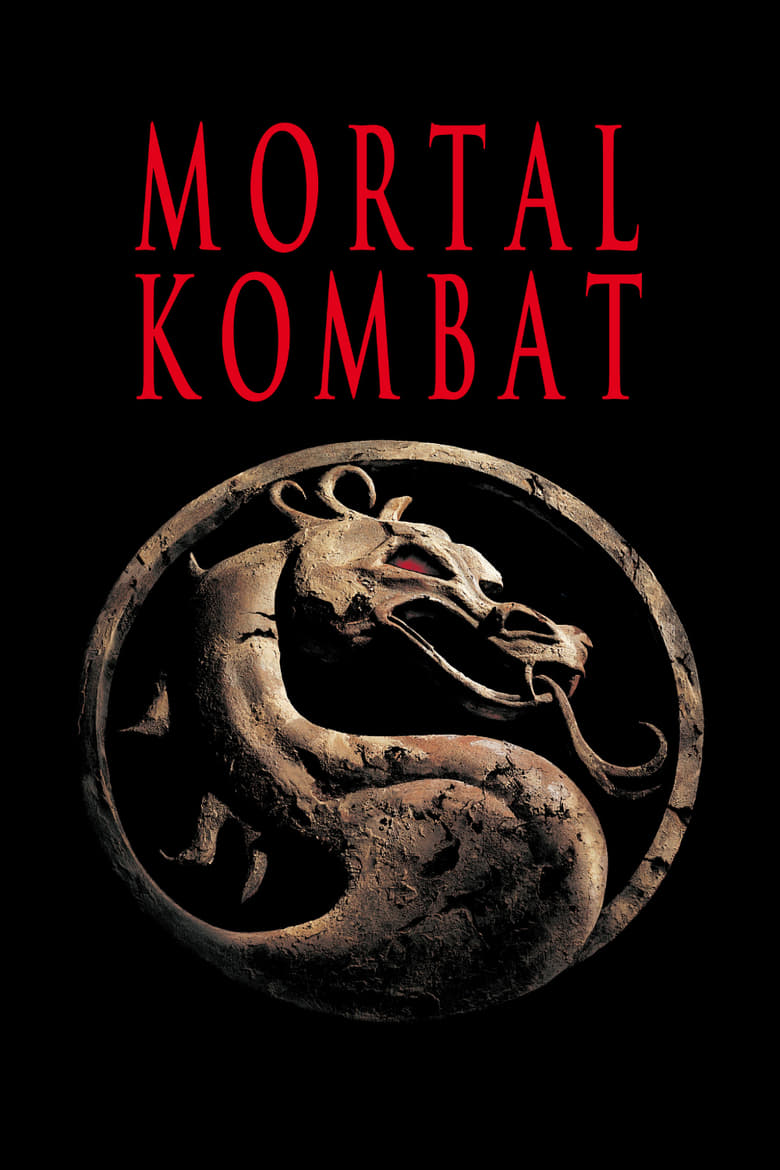
There's a specific kind of joy that comes from rewatching something you loved as a kid and finding that it has aged about as well as a prawn left in the sun. I sat down with my girlfriend to revisit Mortal Kombat on its 30th anniversary, and what followed was two hours of equal parts nostalgic warmth and genuine, helpless cringe. The two feelings kept swapping places. Sometimes within the same scene.
As a kid, this film was peak cinema. Lightning gods. Flaming skulls. A man in a big hat who shoots electricity from his fingers. "Finish him!" It felt like the most astonishing thing that had ever been projected onto a screen. Now, with adult eyes, it's a gloriously campy, wildly earnest B-movie with all the subtlety of an uppercut from Liu Kang. And I mean that as something close to a compliment, because at least it commits.
The actual premise holds up better than you'd expect. Earthrealm's greatest warriors enter a mystical tournament to stop the sorcerer Shang Tsung from handing Outworld the right to invade. That's arcade logic translated directly to screen, and fair enough, it works. There's a clean, propulsive simplicity to it. The film knows what it is, barrels through its setups, and gets you to the next fight without too much fuss. And Graeme Revell's synth-heavy soundtrack is, I'll stand by this forever, genuinely iconic. I cannot hear that main theme without bellowing "MORTAL KOMBAT!" in my lowest possible voice. It's been thirty years. The reflex isn't going anywhere.
But then there's the acting. Christopher Lambert as Raiden delivers his lines with the gravitas of a man reading out a parking ticket he doesn't fully understand. There's a particular speech about duty and protection that he seems to be reciting from a cue card held just off camera. Robin Shou as Liu Kang is the one genuine exception, the only person in the cast who doesn't appear to be quietly questioning his career choices between takes. He brings an actual physicality and earnestness to the role that keeps the film anchored, just about.
And then there are the effects. Oh, the effects. The wire work is so visible you could practically trace the rigging yourself. The CGI is blocky in a way that feels almost archaeological now, a fossil record of what 1995 considered state of the art. Scorpion's "GET OVER HERE!" moment, one of the most anticipated beats in the whole film if you grew up with the game, is just a man in yellow spandex being yanked sideways by something the camera tries very hard not to show you. It is deeply silly. I laughed out loud. Then I immediately wanted more of it.
That's the strange paradox at the heart of this thing. By every conventional measure of quality, it doesn't hold up. The performances are patchy, the visuals have curdled, the script exists largely to get people into rooms where they can kick each other. And yet there's a sincerity to the cheese that keeps the whole thing from collapsing into the unwatchable. Nobody here is winking at you. They all believe in Outworld. They all believe in the tournament. That earnestness, daft as it is, carries genuine affection.
It's a time capsule of a very specific cultural moment: mid-90s video game mania, martial arts obsession, and a complete absence of self-awareness. If you want to see how that formula can curdle completely, I'd point you toward Mortal Kombat: Annihilation, which strips out even this film's modest virtues and replaces them with chaos and despair. The original, at least, has a shape to it.
As a kid, I believed every single second of this. Every punch, every portal to Outworld, every inexplicable thing Christopher Lambert did with his eyes. Now I laugh at most of it, and then immediately find myself wanting to dig out the old Mega Drive and play the game. That's not nothing. That's actually quite a lot.
Two and a half stars. Daft, dated, and strangely loveable for it.
Rating: ★★ | Year: 1995 | Watched: 2025-08-18
Where to watch
Watch in the UK
Rent: Apple TV Store · Rakuten TV · Amazon Video · Google Play Movies
Buy: Apple TV Store · Rakuten TV · Amazon Video · Google Play Movies
Physical: Amazon UK · Zavvi
Watch in the US
Stream: HBO Max Amazon Channel · HBO Max
Rent: Amazon Video · Apple TV Store · Google Play Movies · YouTube
Buy: Amazon Video · Apple TV Store · Google Play Movies · YouTube
Physical: Amazon US
Affiliate disclosure: Movies With Macca may earn a small commission on purchases or subscriptions started via these links. It costs you nothing extra.
Related on Movies With Macca
More from Paul W. S. Anderson: Resident Evil: Retribution (2012) · Resident Evil: The Final Chapter (2016) · Resident Evil: Afterlife (2010) · Death Race (2008)
More with Robin Shou: Mortal Kombat: Annihilation (1997)
More from the 1990s: Lessons of Darkness (1992) · Shinjuku Boys (1995) · Blue (1993) · Cemetery Man (1994)
More action: A Better Tomorrow (1986) · The General (1926) · Hand of Death (1976) · Daredevil (2003)
More fantasy: Viy (1967) · Alice in Wonderland (1951) · Mononoke the Movie: The Phantom in the Rain (2024) · Mononoke the Movie: Chapter II - The Ashes of Rage (2025)