Kiribati: Words From a Last Generation (2017)
★★★ — Kiribati: Words From a Last Generation (2017)

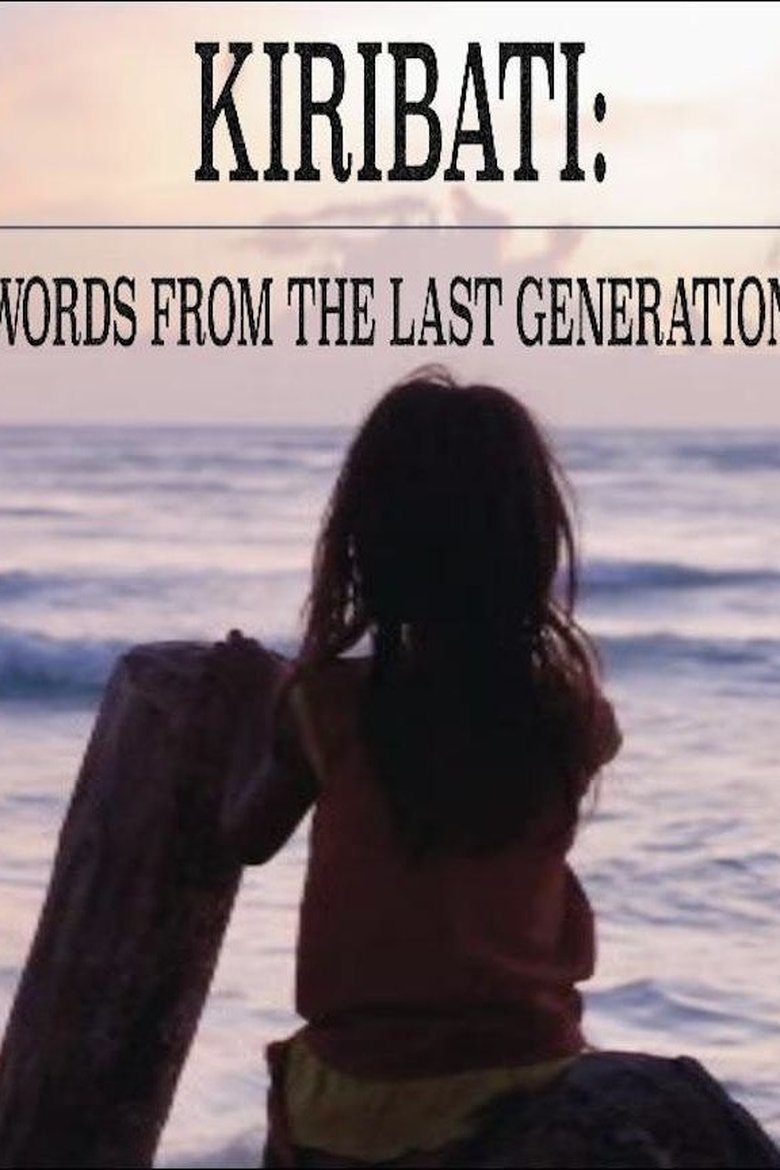
Two metres. That's it. Two metres above sea level is all that separates the people of Kiribati from the ocean swallowing them whole. I knew almost nothing about this tiny Pacific island nation before sitting down to watch this documentary, and within minutes that single fact had lodged itself somewhere in my chest and refused to leave.
This is part of my A-Z World Movie Tour, and Kiribati is the kind of entry that reminds me exactly why I set the challenge in the first place. There are places on this planet living through genuinely extraordinary circumstances, and without something like this documentary dragging them into view, most of us would never give them a second thought. By 2050, which is just 25 years away, Kiribati could be completely uninhabitable. Not damaged, not struggling. Gone. The people being interviewed here are, in all likelihood, the last generation who will ever call this place home. Sit with that for a moment.
The emotional weight of that reality is staggering. I kept thinking about what it must feel like to grow up somewhere knowing it won't outlast you, that the land your family has lived on for generations is being quietly consumed by rising seas and there's precious little you can do about it. There's a particular kind of grief in that, a grief for something that hasn't quite happened yet but feels absolutely inevitable. The people who agreed to be interviewed carry it visibly, and that comes through.
The documentary itself, though, is where I have to be honest about my mixed feelings. It's a pretty bare-bones affair. The whole thing is essentially a series of interviews with a small group of residents, and while their words are genuinely moving, the film doesn't push much beyond that core. There's no real exploration of the history of Kiribati, no discussion of what solutions, if any, are being considered or attempted, no broader geopolitical context about climate change and which nations bear the most responsibility. It just circles the same ground repeatedly, people telling us how bad things are now and how much worse they're going to get. Which is important! But after a while you start to wish the filmmakers had dug a bit deeper.
It puts me in mind of Letter from Siberia (1957), a film that also uses place as its central subject but does so with far more ambition and curiosity, constantly asking questions and pushing against its own assumptions. This documentary never really does that. It presents the situation and steps back, which feels like a missed opportunity given how much there is to explore.
That said, I don't want to be too hard on it. The subject matter is so urgent and so underreported that even a fairly modest film shining a light on it deserves some credit. I genuinely hadn't considered Kiribati before, and now I find myself reading about it, thinking about it, feeling guilty about it in the way you do when you realise a crisis has been happening right under your nose. If the goal of a documentary is to make you care about something you didn't care about before, then this one does its job.
Three stars feels right. The story it's telling demands to be told, and the people sharing their experiences are compelling and dignified. But the filmmaking itself is too timid, too content to repeat the same sobering message without ever really interrogating it. A more adventurous director could have made something genuinely devastating here. What we've got instead is affecting but slight, a film that opens a door and then doesn't bother walking through it.
Still, put it on. Think about those two metres. Think about 2050. Think about being the last.
Rating: ★★★ | Year: 2017 | Watched: 2025-07-04
Related on Movies With Macca
More from Kiribati: The Curse (2014)
More from the 2010s: Wonder (2017) · Beautiful Boy (2018) · The Witch (2015) · What We Do in the Shadows (2014)
More documentary: Letter from Siberia (1957) · Lessons of Darkness (1992) · Style Wars (1983) · Here and Elsewhere (1976)