American Pie (1999)
★★★½ — American Pie (1999)

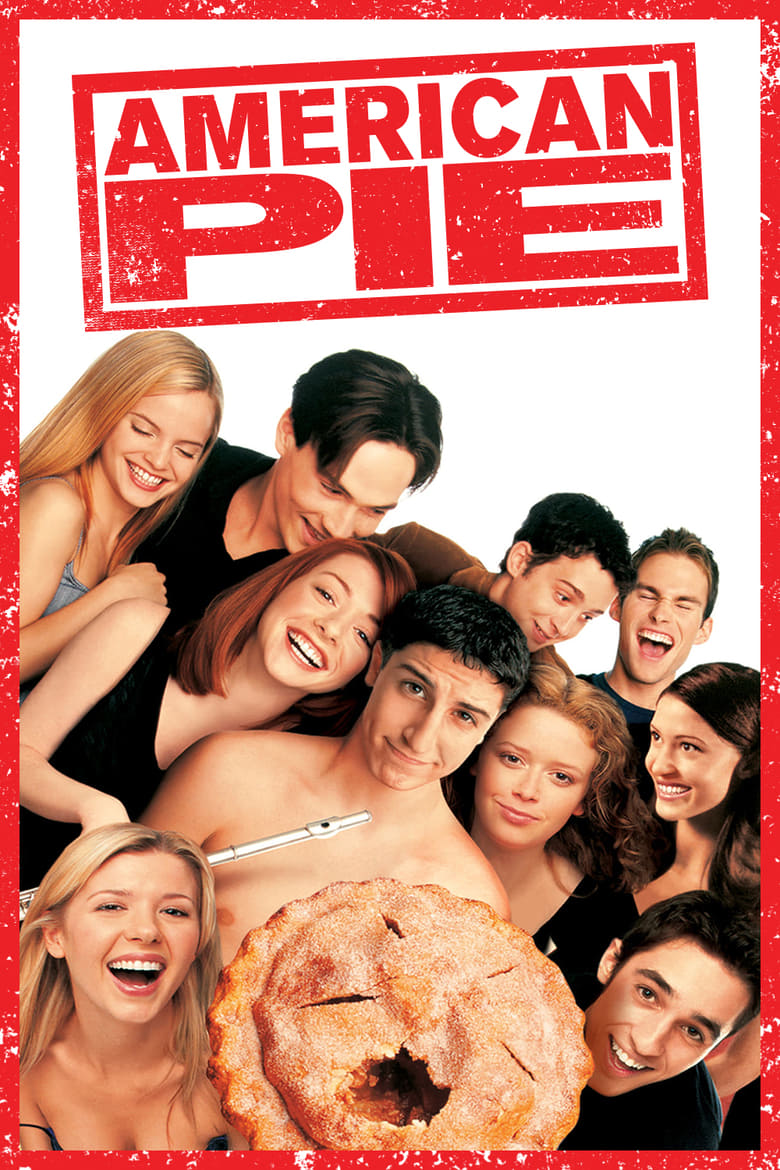
There's a scene where a father sits down next to his teenage son, armed with nothing but good intentions and a stack of badly-chosen magazines, and tries to have a conversation about sex. It's excruciating. It's also one of the kindest things I've ever seen in a comedy. That scene, more than any of the gross-out gags or the infamous kitchen incident, is why American Pie has stuck around for twenty-five years and shows absolutely no sign of going anywhere.
I first saw this as a teenager, and honestly, at that age you're mostly in it for the chaos. The jokes land because they're loud and crude and recognisable in that squirming, please-don't-let-that-be-me way. It was endlessly quotable, the kind of film you'd reference at school the next day without even needing to explain the context. Everyone had seen it. Everyone had their favourite bit. It felt like shared property.
Watching it again as an adult is a different experience, and I mean that in the best possible way. The raucous stuff is still funny, but what catches me off guard now is how much genuine warmth is holding everything together. These aren't cardboard cutout teen archetypes shuffled around for shock value. They're kids who are frightened and confused and desperate to seem like they've got it together, and every single one of them is written and played with real affection. The ensemble is perfectly balanced, nobody overshadowing anyone else, and the friendships feel lived-in rather than convenient.
But the real revelation, returning to this with fresh eyes, is Eugene Levy as Jim's dad. As a teenager I thought he was funny in a slightly baffling, peripheral way. Now I think he's the heart of the whole film. His deadpan delivery is immaculate, yes, but it's the patience underneath it that gets me. Here is a man who keeps walking in on catastrophe after mortifying catastrophe, and rather than recoiling or judging, he just sits down, takes a breath, and tries his best. He's awkward because he cares, not because he's a fool. There's something quietly profound in that, something that speaks more honestly to parenthood than most films that set out to tackle the subject directly. Weirdly, thinking about his scenes reminded me of the dynamic I noticed over at Little Fockers (2010), where that same sweet spot between embarrassment and affection is what the whole franchise is chasing, though with considerably less success.
Is it flawless? Not remotely. The pacing sags in the middle stretch, and a handful of jokes haven't survived the trip from 1999 intact. It leans hard into the conventions of its era, and you can feel certain moments straining at the seams when you're not watching through nostalgic eyes. These aren't dealbreakers, but they're worth naming honestly rather than glossing over in a rush of affection.
What I keep coming back to is how confidently the film earns its sincerity. It starts as a film about a bet, about lads trying to lose their virginity before graduation, which is about as thin a premise as you can build on. And yet somehow, by the end, it's a film about loyalty. About honesty with your friends, honesty with yourself, and the terrifying but necessary work of actually growing up. That shift doesn't feel forced or tacked on. It creeps up on you, the same way the best parts of adolescence often do, quietly, underneath all the noise.
Raunchy, heartfelt, and sharper than it gets credit for. Three and a half stars.
Rating: ★★★½ | Year: 1999 | Watched: 2025-10-27
Where to watch
Watch in the UK
Stream: Sky Go · Now TV Cinema
Rent: Apple TV Store · Amazon Video · Google Play Movies · Sky Store
Buy: Apple TV Store · Rakuten TV · Amazon Video · Google Play Movies
Physical: Amazon UK · Zavvi
Watch in the US
Rent: Amazon Video · Apple TV Store · Google Play Movies · YouTube
Buy: Amazon Video · Apple TV Store · Google Play Movies · YouTube
Physical: Amazon US
Affiliate disclosure: Movies With Macca may earn a small commission on purchases or subscriptions started via these links. It costs you nothing extra.
Related on Movies With Macca
More from Paul Weitz: Little Fockers (2010)
More from the 1990s: Lessons of Darkness (1992) · Shinjuku Boys (1995) · Blue (1993) · Cemetery Man (1994)
More comedy: The Eagle (1925) · The General (1926) · Americana (2023) · The Naked Gun: From the Files of Police Squad! (1988)
More romance: The Eagle (1925) · The Last Picture Show (1971) · The General (1926) · The Docks of New York (1928)