
Alcazar Cinema (1998)
★★½ — Alcazar Cinema (1998)

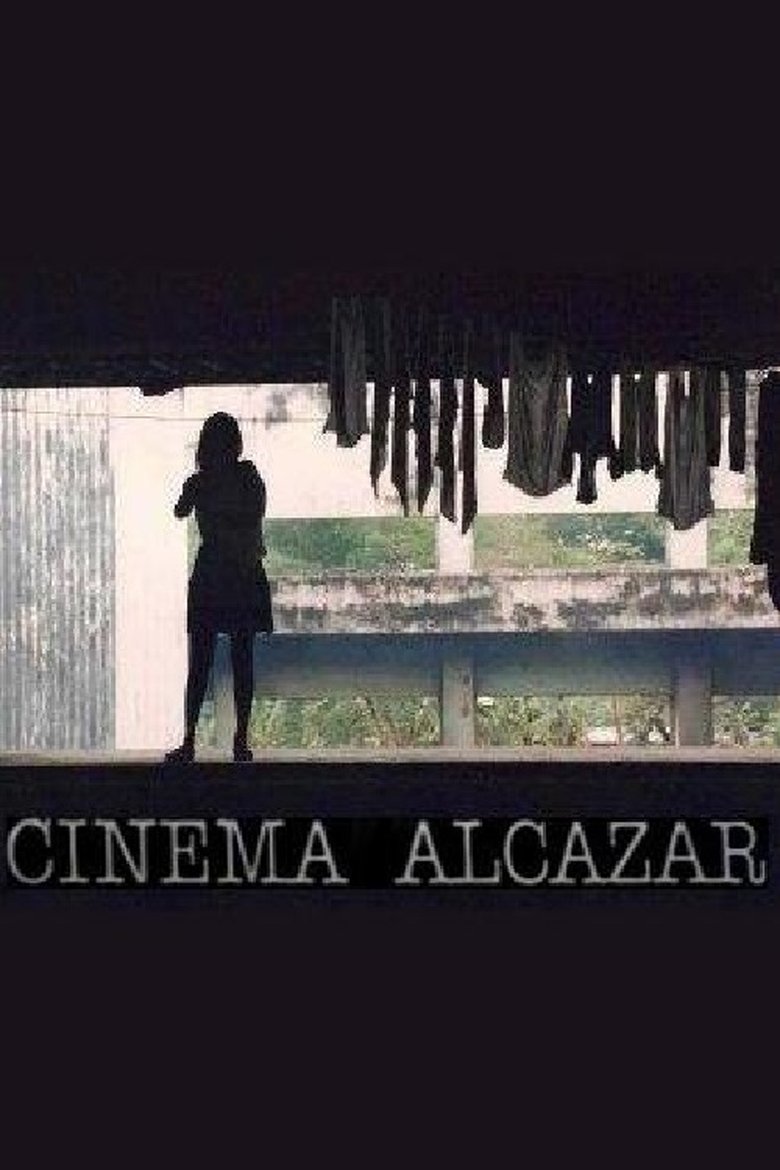
There's something quietly unsettling about watching a film set inside a ruined cinema. The meta quality of it, sitting in one darkened room watching images projected from another, is difficult to shake. Cinema Alcazar leans into that strangeness, and for stretches it works beautifully. For other stretches, it doesn't work at all. I've been turning it over since I watched it, and I still can't fully decide what to make of it.
The film drops you into post-earthquake Managua, specifically into the gutted shell of what was once a grand picture house. Pilar, an elderly woman who has made her home in the wreckage, acts as our guide. From her makeshift corner of the ruins, she narrates the lives of the other families sheltering there. Displacement, love, children growing up surrounded by rubble, death arriving quietly in cramped quarters. Her voice is the film's greatest asset: calm, weathered, and at moments genuinely heartbreaking, and then at others carrying this low, defiant warmth that catches you off guard.
It's part documentary, part poetic reverie, and it resists easy categorisation at every turn. I'm usually drawn to that kind of filmmaking. There's a great tradition of films that sit in the blurred space between fact and fiction, and I've found that territory endlessly rewarding. Salaam Cinema does something similar with its playful, destabilising relationship to documentary form, and that film pulls it off brilliantly. Cinema Alcazar is less successful, though not without its own strange power.
What compels me about this film is its atmosphere. It genuinely feels like a memory: fragmented, dreamlike, soaked in a sense of history embedded in crumbling plaster and broken seats. The stories Pilar tells carry real emotional weight, and there's a rawness to the whole experience, a feeling of lives lived right at the edge of visibility, that I found genuinely moving at its best moments. This is a portrait of survival and storytelling, and when those two things interlock, the film has a quiet, aching power.
But I have to be honest about the problems, because they're significant. The cinematography is, in places, so poorly lit that it's genuinely difficult to see what's happening on screen. That's not an aesthetic choice I can get behind, whatever the budgetary constraints involved. There's atmospheric darkness, and then there's simply not being able to make out a face or a room, and this film crosses that line too often. It robs certain moments of their impact precisely when you most need to feel them.
The pacing is another issue. Long, static shots recur throughout, and while I understand the intention, they push past meditative into something closer to a patience test. A slower tempo can be enormously effective, as Werner Herzog demonstrates in Lessons of Darkness (1992), where stillness becomes a kind of horror. Here, the stillness too often feels like a gap where intention should be.
Then there's the question of what's real. Is Pilar a resident? A performer? Is she both? The film never clarifies, and while deliberate ambiguity can be a genuine strength, here it tips into elusiveness for its own sake. I'm left not with productive uncertainty but with a vague frustration, unsure whether I've witnessed something honest or something staged to look honest.
And yet. I keep coming back to Pilar's voice. To the image of a woman building a life inside a collapsed dream palace, telling stories about people who might otherwise disappear entirely. There's something in that which I can't dismiss, however much the film's rougher edges get in the way. It lingers in a way that more polished, less troubled films often don't.
Two and a half stars. Fascinating and flawed in roughly equal measure, but worth the time if you're willing to meet it on its own strange, crumbling terms.
Rating: ★★½ | Year: 1998 | Watched: 2025-07-31
Related on Movies With Macca
More from the 1990s: Lessons of Darkness (1992) · Shinjuku Boys (1995) · Blue (1993) · Cemetery Man (1994)
More documentary: Letter from Siberia (1957) · Lessons of Darkness (1992) · Style Wars (1983) · Here and Elsewhere (1976)



