Aferim! (2015)
★ — Aferim! (2015)

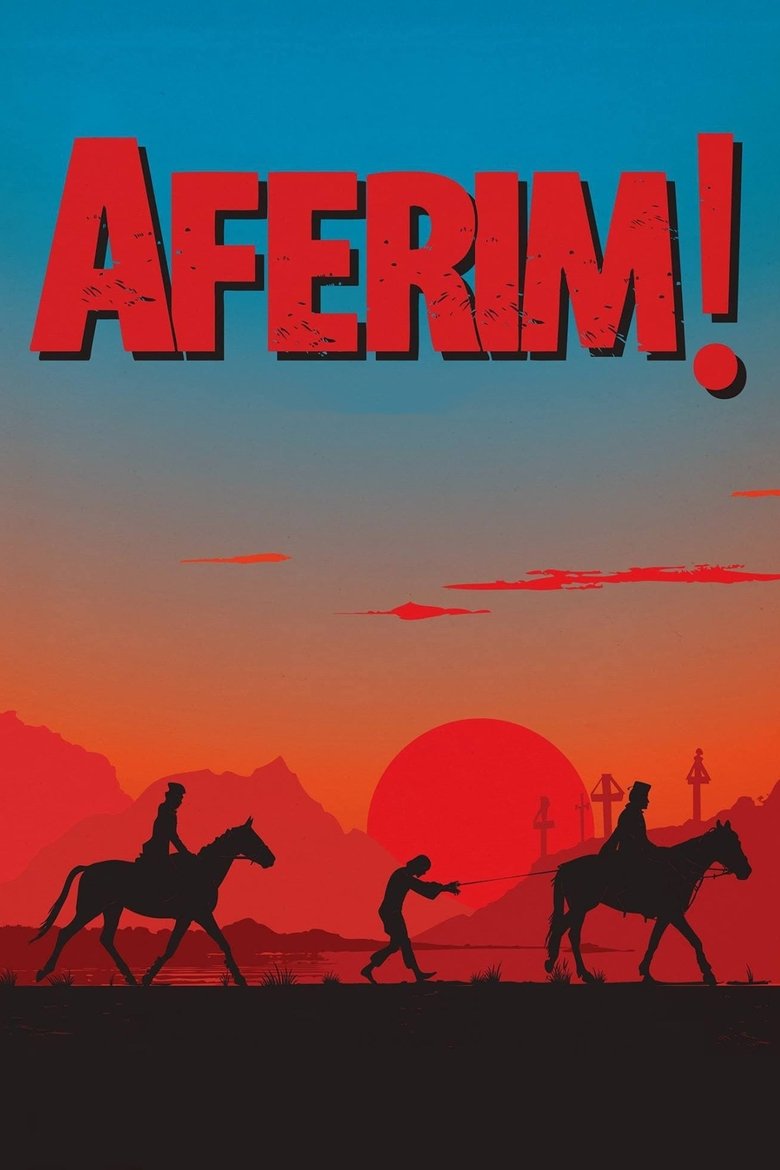
There's a version of Aferim! that works. A bleak, unflinching look at 19th century Wallachia, Roma slavery, and the machinery of oppression that ground people into the dirt. I can imagine that film. I'd probably want to watch it. This isn't it.
What I actually sat through was 108 minutes of relentless slurs, dehumanising jokes and sexist taunts, piled onto the Roma character Carfin from nearly every direction, by nearly every person on screen. The lead constable, our nominal protagonist, spouts bigotry like he's working through a setlist. And the film just... lets it happen. Over and over. The camera watches with a cool, almost clinical remove, as if detachment is the same thing as critique. It isn't.
I want to be clear about where I'm coming from, because it matters here. I have Roma ancestry. I know this history. I know how deep and how long the oppression runs, in Wallachia, across Europe, right up to the present day. I didn't need a period film to confirm that people were cruel to us. What I hoped for, what I think any serious treatment of this subject owes its audience, is some depth. Some perspective. Some flicker of humanity granted to the person being persecuted. What I got instead was degradation performed on a loop, dressed up in period costume and black-and-white photography, as though the aesthetic choices alone make it art.
There's a school of thought that says showing the horror unflinchingly is itself a moral act, that depicting racism without softening it forces the audience to confront something true. I understand that argument. I don't think it holds here. Because confrontation requires the film to have a point of view, and Aferim! seems proud of having none. The cruelty isn't challenged. It isn't even framed as unusual. It's just the weather, routine and unremarkable, and the film treats it the same way. That's not brave. That's complicit.
Mirrors can be used to stare without seeing. And staring is basically all this film does. There's no moral reckoning, no voice given to the oppressed, no moment where the film reaches beyond the surface of what it's showing. Carfin isn't a character. He's a target. And a film that reduces an already marginalised, already erased people to a prop for someone else's misery tourism isn't holding up a mirror to history. It's just repeating the offence with better cinematography.
I came to this as part of my A-Z World Movie Tour, picking up Romania, genuinely hoping to discover something. I've had brilliant surprises on this journey, and some disappointing ones, but this sits in a category of its own. It's not that it's badly made in a technical sense. It's that it's ethically empty, and that's a far worse problem. A film can be rough around the edges and still have something to say. This one is polished and hollow.
One star, and I mean it. Not a protest against difficulty or darkness in cinema. I can sit with uncomfortable films all day long. This just isn't uncomfortable in any way that serves a purpose. It's exhausting, one-note, and offers nothing to the people whose suffering it so casually appropriates. I walked away feeling worse, not wiser. And that's not the kind of impact any film should settle for.
Rating: ★ | Year: 2015 | Watched: 2025-08-26
Where to watch
Watch in the UK
Stream: Studiocanal Presents Amazon Channel
Rent: Apple TV Store · Amazon Video · Google Play Movies · BFI Player
Buy: Apple TV Store · Amazon Video · Google Play Movies · YouTube
Physical: Amazon UK · Zavvi
Watch in the US
Stream: OVID
Rent: Apple TV Store · Fandango At Home
Buy: Apple TV Store · Fandango At Home
Physical: Amazon US
Affiliate disclosure: Movies With Macca may earn a small commission on purchases or subscriptions started via these links. It costs you nothing extra.
Related on Movies With Macca
More from Bulgaria: From Trash to Treasure (2020) · Zift (2008)
More from the 2010s: Wonder (2017) · Beautiful Boy (2018) · The Witch (2015) · What We Do in the Shadows (2014)
More drama: Viy (1967) · Wonder (2017) · A Better Tomorrow (1986) · Beautiful Boy (2018)
More history: Apocalypto (2006) · Rio 2096: A Story of Love and Fury (2013) · Harakiri (1962) · Night and Fog (1956)