The Family (2017)
★½ — The Family (2017)

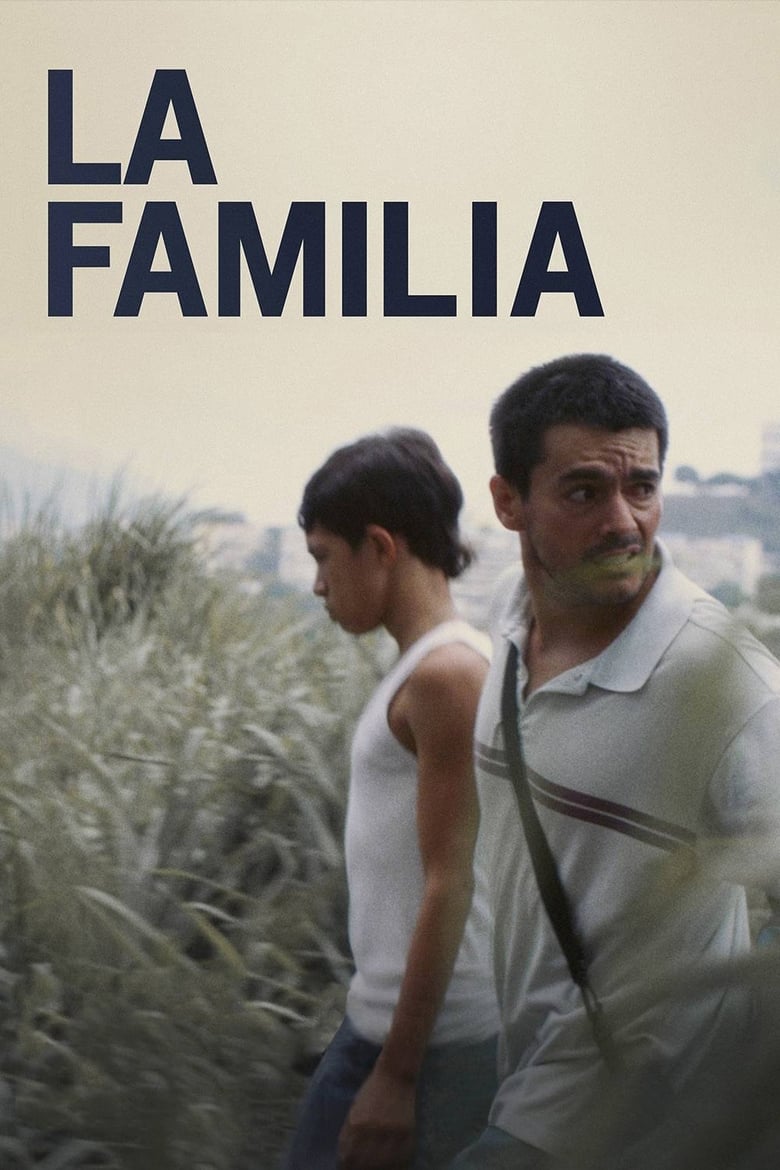
The film opens with what appears to be a real birth. Not implied. Not cut away from. A real, unfiltered birth, right there on screen, and it sets the tone for everything that follows. Rok Biček's The Family is not interested in easing you in gently. It never is. Over ten years of shooting in a cinéma vérité style, following a young man named Matej and his family living on the margins of Slovakian society, many of them dealing with physical and cognitive challenges, this is life as it actually happens: messy, repetitive, and almost aggressively unvarnished.
I can respect the ambition. I genuinely can. A decade of filming is a serious commitment, and there's real honesty in what Biček captures. The tenderness between family members, the quiet acts of care, the resilience that doesn't announce itself because it doesn't have the energy to, all of that lands. You can't fake it when you've been shooting someone's actual life for ten years, and the film deserves credit for that.
But here's the problem. Respect for a project and enjoyment of the finished film are two very different things, and The Family earns the former while almost entirely forfeiting the latter. The lack of any narrative shape wouldn't bother me so much if the pacing felt purposeful, but it doesn't. Scenes run long without developing anywhere. Dialogue loops back on itself. The camera lingers in ways that, over time, start to feel less like empathy and more like voyeurism. There's a fine line between observational filmmaking and just watching people exist, and this crosses it more often than I'd like.
The closest comparison I can offer is sitting down to watch someone else's home videos, except there's no one in the room with you to provide context, no shared laughter, no fast-forwarding through the dull stretches. It just keeps going. I found myself checking how much time was left in a way that's never a good sign.
What really wore me down, though, wasn't the length or the structure. It was the relentless bleakness. I'm not after false hope or a tidy redemptive arc, but even the most uncompromising documentaries tend to find some moments that breathe, some flicker of connection or joy that reminds you why the subjects are worth your time. The Family never really lifts its gaze. The struggle is constant, the outlook dark throughout, and the film seems almost unwilling to let in any light. After a while, watching starts to feel less like an experience and more like an endurance test.
I think of something like Pamfir (2022), another film rooted in the hardship of family life on the margins of Eastern European society, and what that one managed to do was give you characters you were emotionally invested in, even when circumstances were grim. Here, I never quite got there. The people on screen are real, which should make that connection easier, but the film's approach keeps you at arm's length even as it's showing you something deeply intimate. That's a strange achievement, and not entirely a positive one.
There's a version of this project that works. The raw material is there. The commitment is clearly there. But as it stands, The Family is courageous in intent and genuinely difficult to sit through in practice. It mistakes grimness for depth and formlessness for honesty. Sometimes they overlap, but not often enough here.
One and a half stars.
Rating: ★½ | Year: 2017 | Watched: 2025-09-04
Where to watch
Watch in the US
Rent: Apple TV Store · Google Play Movies · YouTube
Buy: Amazon Video · Apple TV Store · Google Play Movies · YouTube
Physical: Amazon US
Affiliate disclosure: Movies With Macca may earn a small commission on purchases or subscriptions started via these links. It costs you nothing extra.
Related on Movies With Macca
More from Chile: The Wolf House (2018) · Pamfir (2022) · El Conde (2023)
More from the 2010s: Wonder (2017) · Beautiful Boy (2018) · The Witch (2015) · What We Do in the Shadows (2014)
More drama: Viy (1967) · Wonder (2017) · A Better Tomorrow (1986) · Beautiful Boy (2018)