The Circus (1928)
★★½ — The Circus (1928)

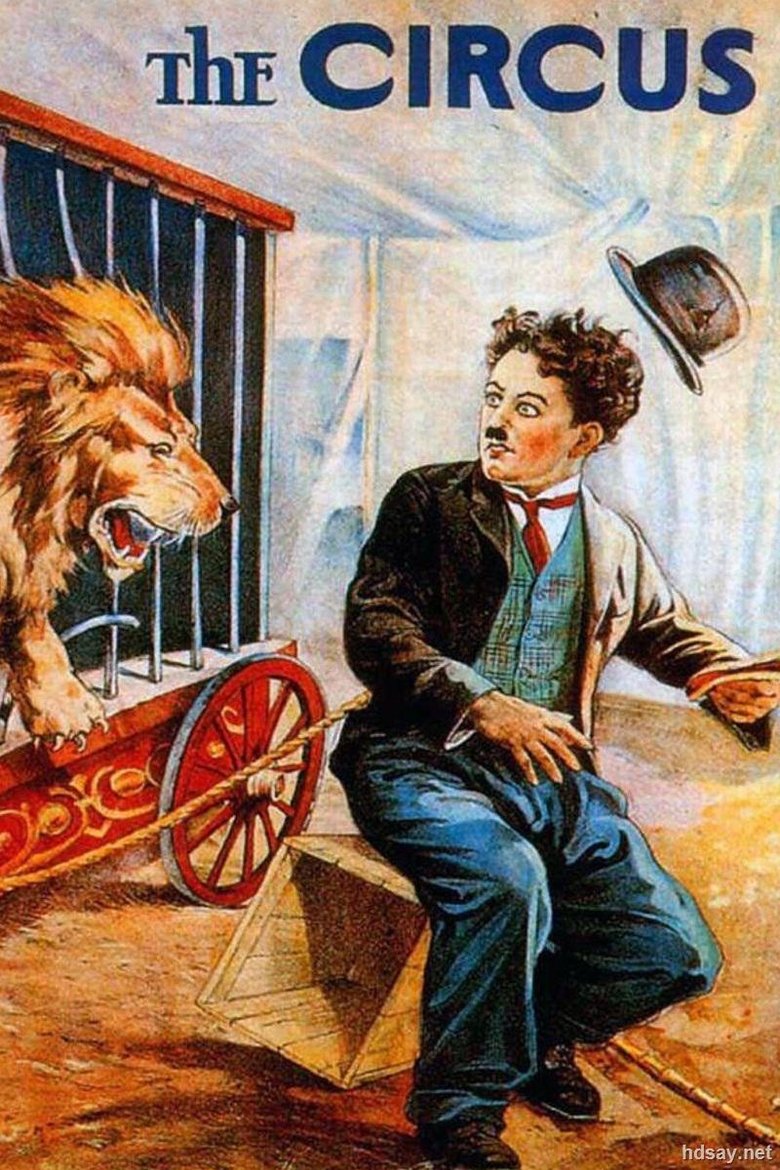
The ending let me down. After everything the Tramp goes through in The Circus, all that stumbling grace, all those gags built on the edge of disaster, the conclusion arrives in a rush and then just sort of… stops. It's emotionally flat in a way that feels genuinely surprising coming from Charlie Chaplin, a filmmaker who knew better than almost anyone how to land a final beat. That hollow feeling lingers, and it costs the film more than it should.
Which is a shame, because everything leading up to it is frequently wonderful. What strikes you first about The Circus is how loose it is, at least by Chaplin's standards. There's no iron-tight structure here, no grand comic architecture. Instead it unfolds as a sequence of set pieces, one after another, with the Little Tramp accidentally finding himself a star performer in a struggling circus without anyone, least of all him, quite meaning it to happen. That looseness could easily feel sloppy. Here it mostly doesn't. It gives the whole thing a breezy, variety-show quality, lighter and more digestible than a lot of silent features, and it gives Chaplin the freedom to just play.
And when he plays, he's extraordinary. The tightrope sequence alone is worth the price of admission: the Tramp up on the wire, maintaining his precarious balance while a swarm of bees descends on him, and somehow the whole thing is both terrifying and hilarious at once. That's the trick Chaplin pulls off better than anyone. The physical comedy is impeccable throughout, sharp and precisely timed, but there are quieter moments too, little flickers of expression that stop you cold. He could break your heart with a glance.
The circus setting earns its keep. It's a genuinely inspired choice of backdrop, somewhere between magic and poverty, full of performers who do the impossible every night for a crowd that barely notices. The Tramp fits right in, bringing joy to everyone around him without the faintest idea he's doing it. That's the underdog story at the heart of it, and Chaplin sells it completely. Merna Kennedy is sweet and sympathetic as the circus performer the Tramp falls for, and their scenes together have a gentle charm, even if the romance feels slightly undercooked compared to the great Chaplin love stories. I think of the tenderness in The Gold Rush, which wrings genuine heartbreak from a similar dynamic, and The Circus doesn't quite get there.
The gags range from broad slapstick to something more tender and considered, and Chaplin moves between those registers with ease. There's a sequence involving a hall of mirrors and a chase that's brilliantly constructed, funny in a way that feels both physically demanding and almost mathematically precise. You watch it and you just think: how did he do that? The answer, as always, is decades of practice and an instinct for what makes an audience tick.
But then the ending arrives. After all that investment in the Tramp's connection to the circus, to the girl, to the strange little world he's stumbled into, the resolution is abrupt in a way that feels almost careless. It doesn't ruin what came before. The highs are too high for that. Still, you walk away wanting a final note that matches the warmth of everything that built to it, and it never comes. It's the one area where the looseness that served the film so well elsewhere becomes a problem. A film this charming deserved a proper goodbye.
Three stars. Maybe two and a half on a grumpy day. Worth watching, no question, especially for the tightrope sequence and for Chaplin's physical genius on full display. Just don't expect the emotional wallop you'd get from his best work. The Circus is a very good Chaplin film that stops just short of being a great one.
Rating: ★★½ | Year: 1928 | Watched: 2025-11-26
Where to watch
Watch in the UK
Stream: Amazon Prime Video · Amazon Prime Video with Ads
Rent: Apple TV Store · Amazon Video
Buy: Apple TV Store · Amazon Video
Physical: Amazon UK · Zavvi
Watch in the US
Stream: Amazon Prime Video · HBO Max Amazon Channel · Criterion Channel · FlixFling
Rent: Amazon Video · Apple TV Store · Fandango At Home · FlixFling
Buy: Amazon Video · Apple TV Store · Fandango At Home · FlixFling
Physical: Amazon US
Affiliate disclosure: Movies With Macca may earn a small commission on purchases or subscriptions started via these links. It costs you nothing extra.
Related on Movies With Macca
More from Charlie Chaplin: The Kid (1921) · The Gold Rush (1925)
More with Charlie Chaplin: The Kid (1921) · The Gold Rush (1925)
More from the 1920s: The Eagle (1925) · The General (1926) · The Docks of New York (1928) · A Throw of Dice (1929)
More comedy: The Eagle (1925) · The General (1926) · Americana (2023) · The Naked Gun: From the Files of Police Squad! (1988)
More romance: The Eagle (1925) · The Last Picture Show (1971) · The General (1926) · The Docks of New York (1928)