Killing the Shepherd (2021)
★★★ — Killing the Shepherd (2021)

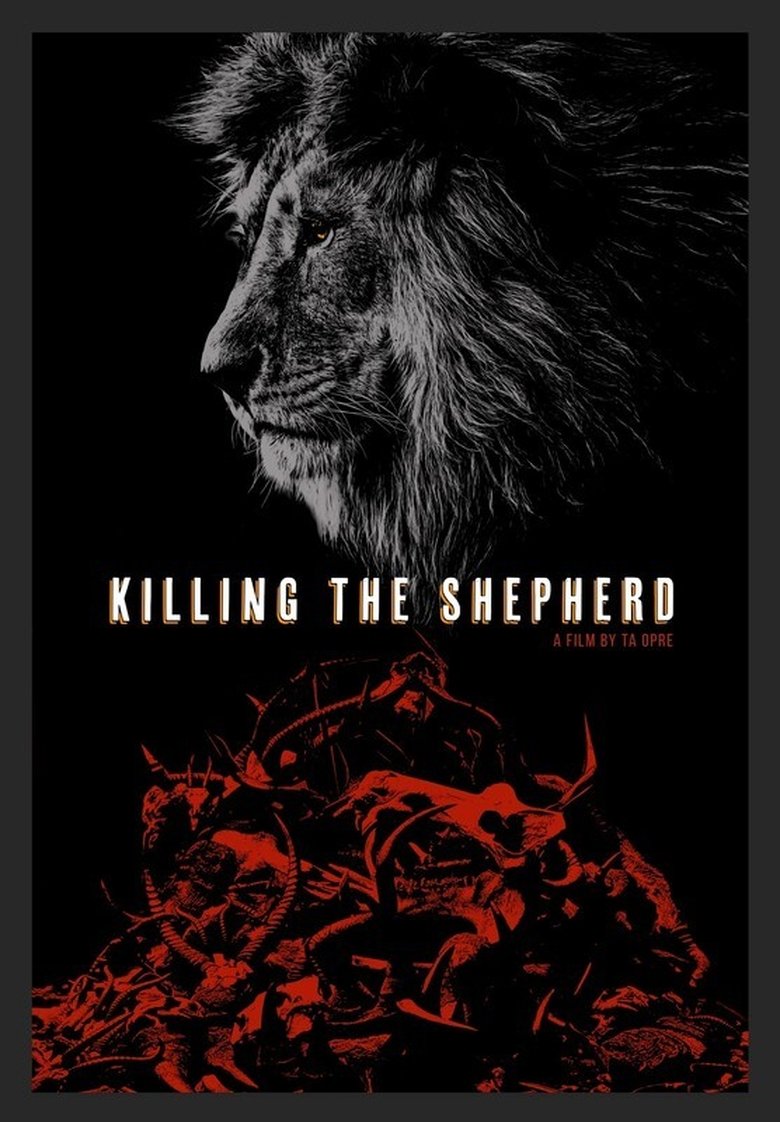
Here's a question that'll make a lot of people uncomfortable: what if banning hunting made things worse? That's exactly the provocation sitting at the centre of Killing the Shepherd, a Zambian documentary that I came away from genuinely rattled, in the best possible way. I went in expecting something fairly straightforward. What I got was a film that had the nerve to challenge assumptions I didn't even realise I was carrying.
The argument the film makes is blunt and, once you hear it laid out, hard to dismiss. When legal, regulated trophy hunting was banned in Zambia, the poachers didn't disappear. They moved in. The funding that safari operators had been channelling into anti-poaching patrols dried up overnight. Rangers lost their jobs, communities lost their income, and the wildlife lost the one practical line of defence it had. More animals died after the ban than before it. That's not a comfortable thing to sit with if you've spent years thinking of hunting bans as straightforwardly good news for conservation.
The human story anchoring all of this is a remarkable one. A local female chief, watching her land and her community's livelihoods collapse around her, makes the pragmatic decision to invite a safari operator back in. Not out of enthusiasm for trophy hunting, but out of a clear-eyed recognition that conservation without economic partnership is just wishful thinking. The hunters return, yes, but so do armed scouts, employment, and a genuine sense of community stewardship over the land. The "shepherd" of the title isn't literal. It's about who tends the land, who takes responsibility for it, and what happens when those people are cut out of the conversation entirely.
What I really appreciated is that the film keeps Zambian voices at the centre of it. That sounds like it should be the bare minimum for a documentary set in Zambia, but you'd be surprised how rarely it actually happens. Too many Western-produced films about African conservation end up being more about Western guilt and Western solutions than about the people actually living with the consequences. This one earns credit for resisting that pull, even if it doesn't resist it entirely. There are moments where the Western narration creeps in and takes up more space than it needs to, and I'd have swapped some of that for more time with the rangers out in the field.
The cinematography does the landscape real justice. This is a beautiful part of the world, and the film knows how to show it without making it feel like a postcard. And the pacing is solid throughout, which matters when you're dealing with subject matter this dense. It never drags, even when the arguments get complicated.
My reservations are genuine, though. There are moments where the film simplifies an issue that deserves more texture. I wanted more data. More specifics about what the anti-poaching operations actually look like on the ground, more rigorous engagement with the counterarguments. The film is making a bold case and it mostly makes it well, but occasionally it pulls its punches when it should be leaning in harder. It reminded me a little of Island Soldier (2017), another documentary that puts a small, overlooked community at the heart of a much bigger geopolitical and environmental tension, and which similarly succeeds more through emotional honesty than through exhaustive analysis.
This is the Zambia stop on my A-Z World Movie Tour, and I'm glad it's the film I landed on. It's the kind of documentary that follows you out of the room. I don't agree with every conclusion it reaches, and I suspect plenty of people watching it will feel similarly conflicted. But that's not a flaw. That's the film doing its job. Conservation is messy, community survival is messy, and any documentary willing to look that mess in the face rather than tidy it up for a sympathetic audience is worth your time.
Three stars. Thought-provoking, important, and refreshingly honest about the hard truths that well-meaning policy can leave in its wake. Not a perfect film, but an necessary one.
Rating: ★★★ | Year: 2021 | Watched: 2025-09-18
Where to watch
Watch in the UK
Stream: Amazon Prime Video · Curiosity Stream · CuriosityStream Amazon Channel · CuriosityStream Apple TV channel
Rent: Apple TV Store · Amazon Video
Buy: Apple TV Store · Amazon Video
Physical: Amazon UK · Zavvi
Watch in the US
Stream: fuboTV · Curiosity Stream · CuriosityStream Apple TV channel · CuriosityStream Amazon Channel
Rent: Amazon Video · Apple TV Store
Buy: Amazon Video · Apple TV Store
Physical: Amazon US
Affiliate disclosure: Movies With Macca may earn a small commission on purchases or subscriptions started via these links. It costs you nothing extra.
Related on Movies With Macca
More from the 2020s: Mononoke the Movie: The Phantom in the Rain (2024) · Mononoke the Movie: Chapter II - The Ashes of Rage (2025) · The Long Walk (2025) · Americana (2023)
More documentary: Letter from Siberia (1957) · Lessons of Darkness (1992) · Style Wars (1983) · Here and Elsewhere (1976)