Kikuyu Land (2026)

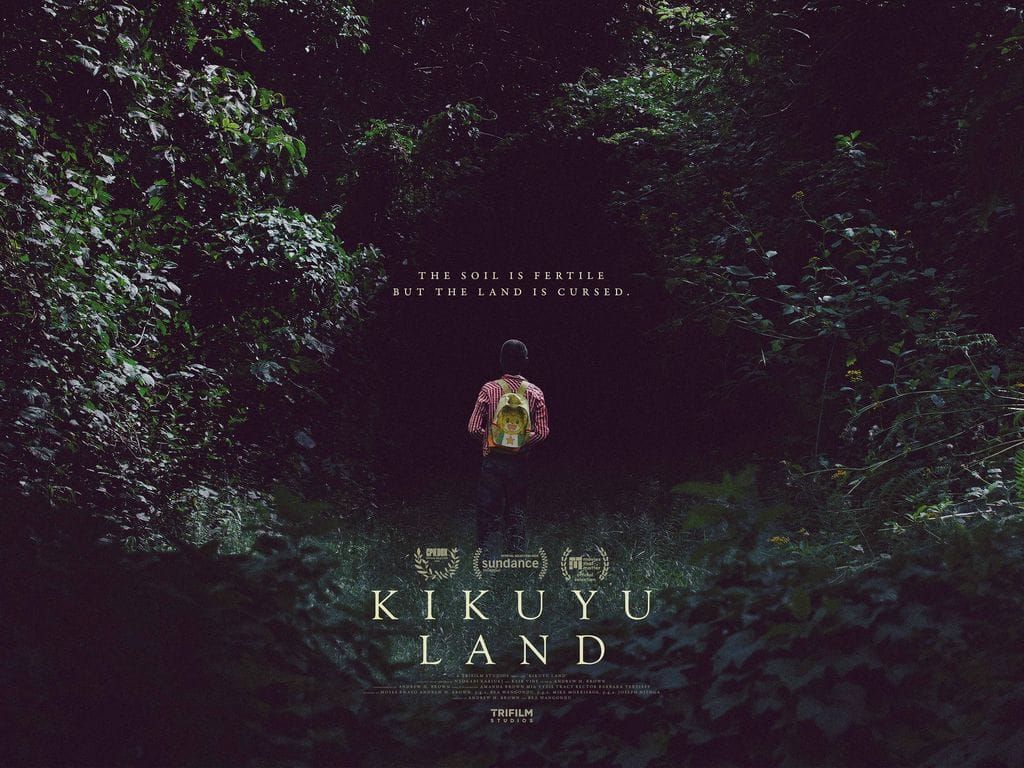
Every so often a documentary comes along that feels less like a film and more like a piece of evidence, and Kikuyu Land is one of them. Directed by the Emmy winning Andrew H. Brown and the Kenyan journalist and film-maker Bea Wangondu, it is one of the most powerful and eye-opening things I have seen this year, a work that belongs alongside the very best documentaries I could name. I will say this plainly at the top: it should be seen by everyone. This is a story that needs to get out.
At its centre is Mr Mungai, a man pursuing the return of ancestral land in Kenya's tea highlands, seized from his family during British colonial rule. The detail that broke my heart is a simple one. His family, and others around them, were sent a letter that amounted to a threat: leave your home, or we will force you from it. Said out loud it sounds like something from a darker century, and of course it is, but the film makes you sit with just how recent and how raw this wound still is. Mungai reckons the farms taken from his family would be worth well over one hundred billion Kenyan shillings today. Colonisation was an evil chapter of history, and Kikuyu Land refuses to let you treat it as safely in the past.
The land, of course, did not vanish. It passed into the hands of a wealthy political class and the multinational conglomerates who run the tea plantations, and the film traces that trail with real rigour to the giants of the industry, Lipton and its longtime parent Unilever among them. The bitter irony the documentary lays bare is that these vast, lucrative estates are worked by local people paid a pittance, so that the very communities the land was stolen from now live in extreme poverty on soil that made others rich. It is a damning portrait, and the film builds it patiently, brick by brick.
Holding it all together is Bea. Her narration is the spine of the picture, and it is fascinating, framing the investigation and driving the flow of the story so that a complex web of history, law and money never loses its human thread. When the film follows her to the United Kingdom, where she tries to sit down with representatives of the companies themselves, Unilever among them, and is simply refused a meeting, you feel the wall of corporate silence as viscerally as any dramatic set piece.
It is a beautiful film to look at, too, which somehow makes the injustice land harder. Brown's cinematography is really strong, the Kenyan landscape rendered with a lush, aching beauty, and the score by Nyokabi Kariuki and Keir Vine is a gorgeous, mournful addition that never tips into manipulation. This is a documentary made with the craft and eye of the finest narrative cinema.
And then it goes somewhere darker still. Without giving too much away, the investigation turns genuinely frightening: a journalist connected to the story is kidnapped, and the film lays out a conspiracy that runs alarmingly deep, alleging that a former leader of Kenya was gifted shares in the very companies at the heart of the dispute. By the time an informant is speaking about political hit squads used to silence opponents, Kikuyu Land has become something closer to a thriller, except that every terrifying turn is real. I want to be clear that these are the film's own findings and allegations, forcefully argued, and they are what makes it not just moving but urgent.
Four stars. Kikuyu Land is a fantastic, furious, heartbreaking piece of work, gorgeously made and impossible to shake off. It is eye-opening in the truest sense, the kind of film that rearranges how you think about a cup of tea, a corporation, an empire. It deserves as many eyes on it as it can possibly get, and I would urge you to be one of them.
Kikuyu Land premiered in competition in the World Cinema Documentary strand at the Sundance Film Festival and screened at CPH:DOX and Sheffield DocFest. It is in UK cinemas from 2nd October. Reviewed from a screener provided by the distributor.KIKUYU LAND is in UK cinemas 2nd October www.kikuyulandfilm.com
Related on Movies With Macca
More from Country Kenya: The Last Tourist (2021), The Constant Gardener (2005), Nairobi Half Life (2012)
More from the 2020s: Look Back (2024), The Whale (2022), All That's Left of You (2025)
More documentary: The Mad World of Harvey Kurtzman (2026), Fabric (2026), Roberto Rossellini, Living Without a Script (2025)