All That's Left of You (2025)

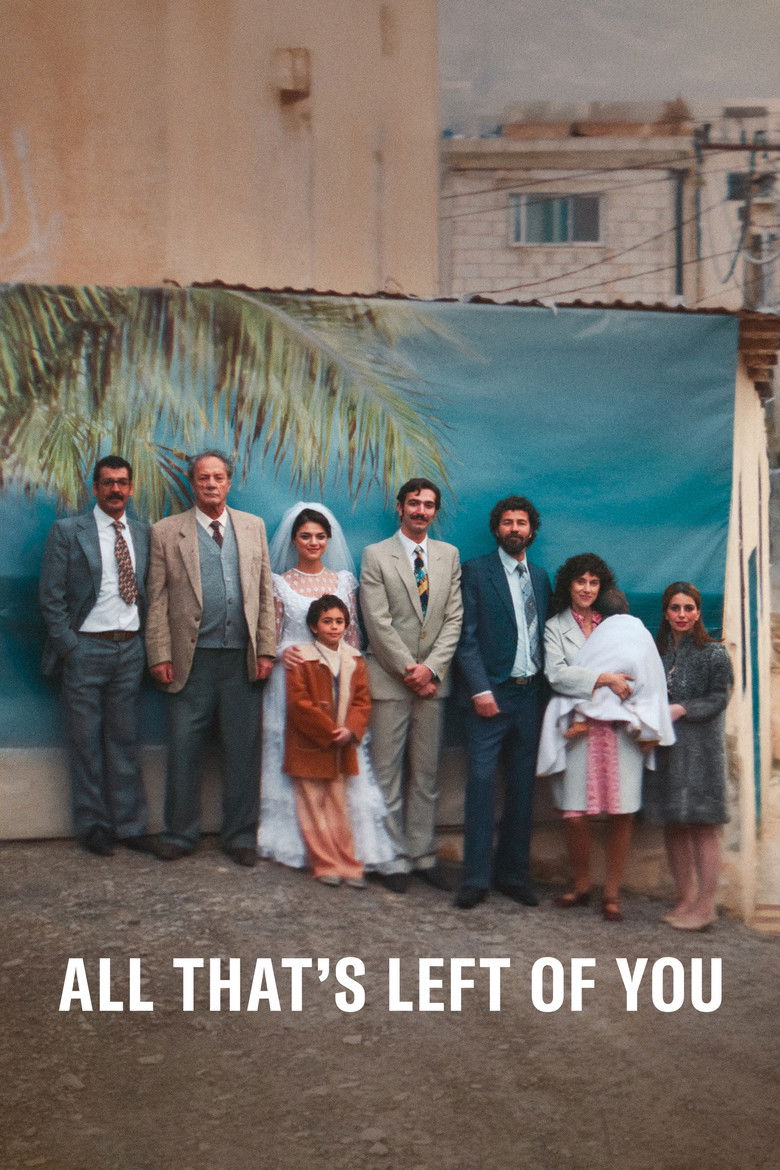
Where do you even begin? That's the question I kept asking myself as the credits rolled on All That's Left of You, and I still don't have a clean answer. What I do have is the feeling of something sitting heavy in my chest, the kind of weight a truly great film leaves behind. This is, without qualification, one of the best films I have ever seen.
Directed by Cherien Dabis, who also steps in front of the camera to play Hanan, and backed by producers Mark Ruffalo and Javier Bardem, this is a film that arrives with serious intent and absolutely delivers on it. It takes us back to Palestine before 1948, giving us a raw, unflinching glimpse of the Nakba. And I use the word glimpse deliberately, because no film could ever fully capture the enormity of what happened, the scale of the horror, the depth of the loss. But that glimpse is more than enough to move you. More than enough to matter. This isn't a history lesson dressed up as drama. It's something far more human than that.
Roger Ebert always said that movies are a machine that generates empathy. I've thought about that quote a lot over the years, and I think about it again here. All That's Left of You does exactly what Ebert described, but with a force you feel physically. It doesn't explain the tragedy of the Palestinian people to you from a distance. It puts you inside it. It makes you breathe the same air as these characters, love what they love, fear what they fear. That's not an easy thing to achieve, and Dabis achieves it with what feels like total command.
Saleh Bakri, playing Salim, is extraordinary. Grounded, deeply moving, quietly devastating. There's not a false note in his performance. And Dabis herself, as Hanan, brings a fierce, dignified presence to the screen that I couldn't take my eyes off. The whole ensemble feels lived-in rather than performed. Nothing here has the polished sheen of a studio picture telling somebody else's story from a comfortable remove. It feels proud. It feels real. It feels like it was made by people who needed to make it.
The soundtrack deserves a mention too. It swells at exactly the right moments, underscoring the grief and the resilience without ever tipping into manipulation. There's a restraint to it that mirrors the film's wider approach: everything earns its emotion, nothing is borrowed or manufactured.
I want to be honest about what this film asks of you. It asks a lot. It doesn't soften its edges or offer easy comfort. But it rewards every bit of that emotional investment with something rare: genuine humanity at the centre of a historical atrocity that the world has too often looked away from. If you've seen Theeb, you'll know what I mean when I say that the best films emerging from that part of the world carry a specificity and an authenticity that no amount of Hollywood money can replicate. All That's Left of You belongs in that conversation, and then some.
I also want to say a proper thank you to Letterboxd for hosting and championing this film. It's the kind of vital, necessary piece of art that can so easily get lost, and it simply cannot be allowed to. It needs to be seen. Widely, urgently, and without delay.
Five stars. A masterpiece of empathy, tragedy, and pride. And a reminder, if one were needed, of why cinema matters at all.
Free Palestine.
Rating: ★★★★★ | Year: 2025 | Watched: 2026-06-08
Where to watch
Watch in the US
Rent: Amazon Video · Apple TV Store · Google Play Movies · YouTube
Buy: Amazon Video · Apple TV Store · Google Play Movies · YouTube
Physical: Amazon US
Affiliate disclosure: Movies With Macca may earn a small commission on purchases or subscriptions started via these links. It costs you nothing extra.