The Last Tourist (2021)

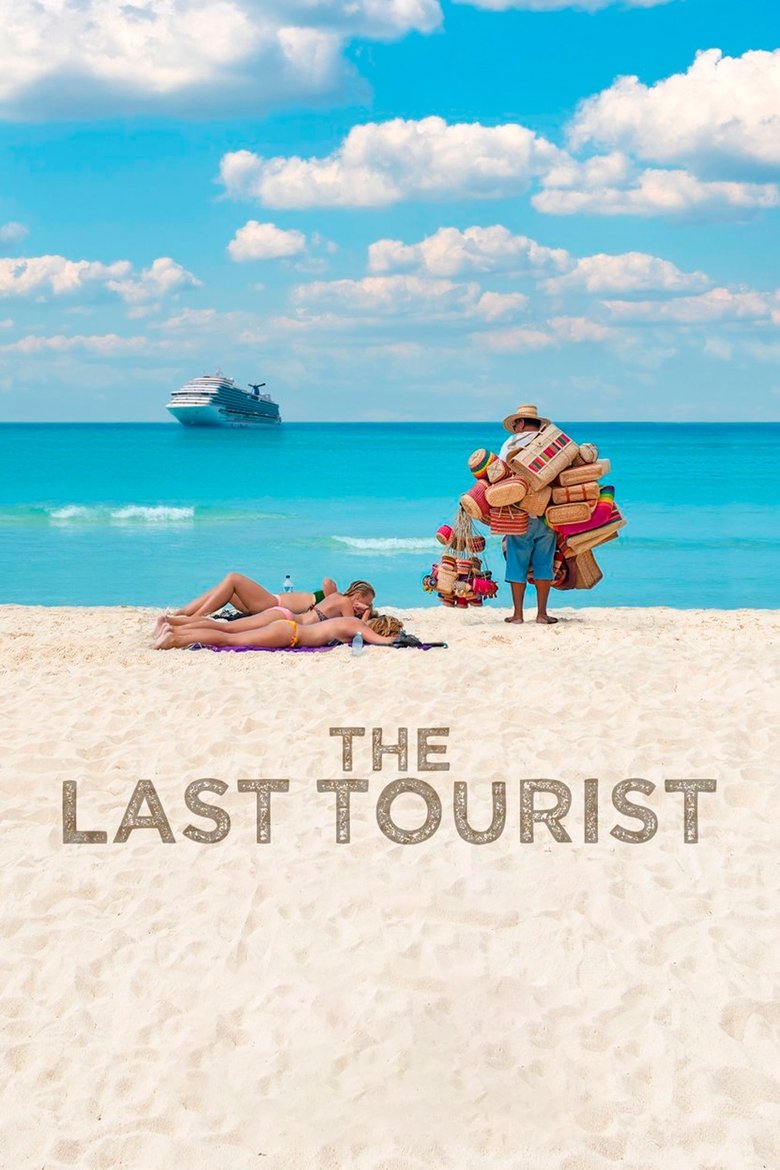
There is something profoundly absurd about standing before the Great Pyramids of Giza, the Colosseum, or the Louvre, monuments that have survived millennia of human history, only to watch hundreds of people experience them exclusively through the glowing rectangle of a smartphone on a selfie stick. It is one of those observations that sounds like a grumpy pub complaint until you actually see the footage. Then it stops being funny and starts being genuinely upsetting.
That jarring, uncomfortable reality is exactly what Tyson Sadler's 2021 documentary The Last Tourist holds up to the light, and it does so with the kind of unflinching directness that I really appreciated. Going in, I'll be honest, I had very little knowledge of the systemic mechanics behind the global travel industry. I knew mass tourism wasn't exactly a force for good, but I hadn't fully grasped the scale of what's going on beneath the surface. The film changed that, and it hooked both me and my wife from the opening credits.
The critical reception has been a bit of a mixed bag, and I suspect that split falls pretty neatly along the lines of those who regularly go on package holidays and cruises versus those who don't. If you fall into the former camp, Sadler's film is going to feel like a direct, personal attack. It is a pretty damning indictment of the mass tourism industry, laying bare the devastating ripple effects it has on both the environment and the local communities forced to cater to it. It doesn't pull its punches, and frankly, it shouldn't.
What makes it so effective is how it strips away the glossy, sun-drenched marketing of the travel brochures to reveal the grim machinery underneath. Seeing the sheer, overwhelming volume of foot traffic at these so-called once-in-a-lifetime destinations is genuinely astounding. Ancient wonders reduced to little more than a backdrop for a selfie before the tour bus rumbles on to the next stop. The film does a brilliant job of connecting those individual, seemingly harmless holiday choices to the broader and often deeply exploitative economic realities faced by the people actually living in these places. It makes you think twice about what you're really funding when you book that all-inclusive resort.
Where it does fall down is that it doesn't offer solutions, or even the notion of them. It stops short of telling you what to do differently, which I can see frustrating some viewers. But I think the intention is more of an awareness piece than a how-to guide, and taken on those terms it works. You can't fix a problem you refuse to look at, and The Last Tourist makes sure you look.
I was reminded, watching this, of how questions about systemic inequality and who really benefits from economic structures aimed at wealthier outsiders crop up in all sorts of unexpected places. I loved Rockers for exactly that reason, though it takes a very different, far more joyful route to get there.
Four stars. I desperately wish more people would sit down and watch this, and that it might actually spark some tangible change in how we choose to travel. Whether the industry will actually listen or just rebrand its exploitative practices with a fresh coat of eco-friendly greenwash remains to be seen. But the conversation has to start somewhere, and Sadler has made a highly engaging, deeply necessary piece of journalism that is well worth your time. Put it on. Then have the argument it starts.
Rating: ★★★★ | Year: 2021 | Watched: 2026-07-13
Where to watch
Watch in the UK
Stream: Amazon Prime Video · Magellan TV · Amazon Prime Video with Ads
Rent: Apple TV Store · Rakuten TV · Amazon Video · Google Play Movies
Buy: Apple TV Store · Rakuten TV · Amazon Video · Google Play Movies
Physical: Amazon UK · Zavvi
Watch in the US
Stream: Amazon Prime Video · OVID · Magellan TV · Amazon Prime Video with Ads
Rent: Amazon Video · Apple TV Store
Buy: Amazon Video · Apple TV Store
Physical: Amazon US
Affiliate disclosure: Movies With Macca may earn a small commission on purchases or subscriptions started via these links. It costs you nothing extra.