Confessions of a Window Cleaner (1974)

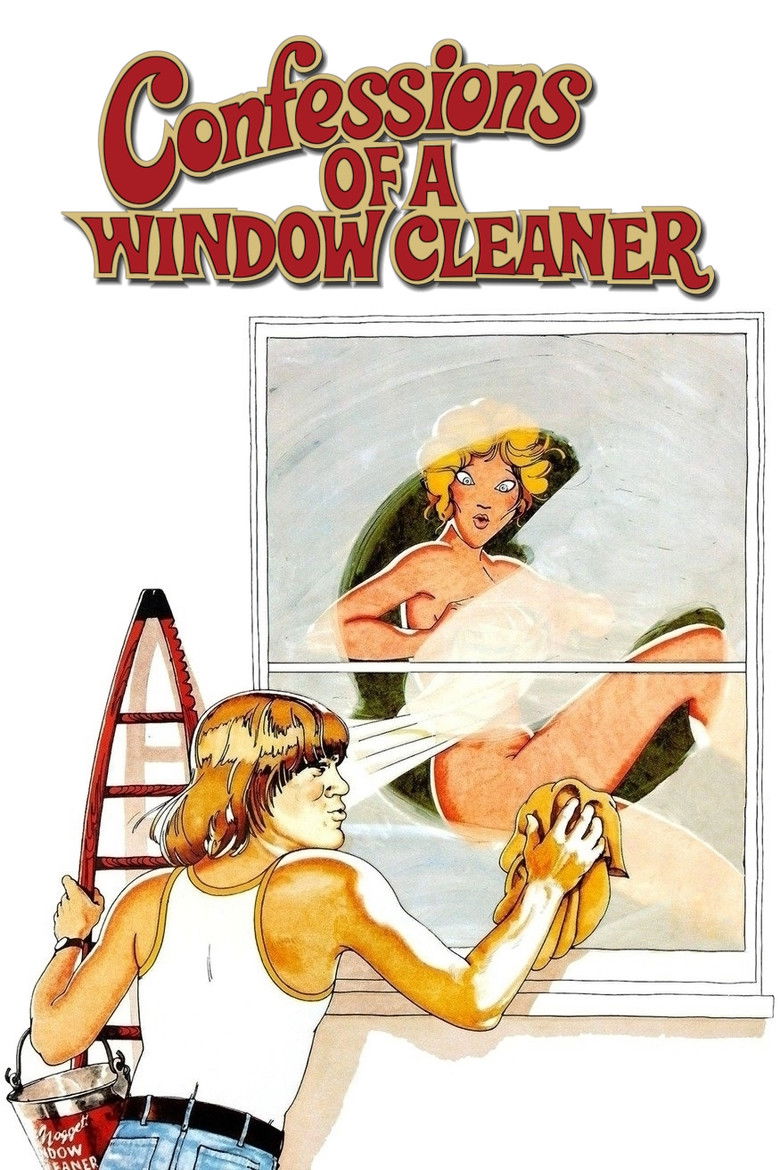
By 1974, the British sex comedy had carved out a reliably profitable niche in domestic cinema, filling seats with a formula that leaned heavily on innuendo, undress, and a vaguely rebellious working-class hero. Confessions of a Window Cleaner is perhaps the most recognisable product of that cycle, the first entry in what became a four-film franchise following the misadventures of one Timmy Lea. It arrived at a moment when the "Confessions" brand was practically a genre unto itself, riding on the coattails of the earlier "Carry On" pictures while pushing the permissiveness dial noticeably further. Columbia Pictures Corporation, an unlikely backer for a low-budget British romp of this stripe, distributed the film, which suggests the commercial logic was sound even if the artistic ambition was not. For a companion piece from the same year and a very different kind of British cultural artefact, see also Queen: Live at the Rainbow '74, which captures 1974 Britain in a considerably more electric light.
The film was directed by Val Guest, a veteran whose career stretched back to the 1940s and who had proven himself capable of genuine range, from the tight sci-fi tension of The Quatermass Xperiment to the gritty realism of Hell is a City. By the mid-seventies, Guest was something of a gun for hire, and his pairing here with co-writer Christopher Wood (who would go on to script two James Bond pictures) produced a screenplay that is polished but unremarkable at best, perfunctory at worst. The premise is thin by design: Timmy Lea takes a job as a window cleaner alongside his brother-in-law, and what follows is a loosely connected series of encounters with female customers. There is a romantic throughline involving a character named Liz, but it functions more as a structural device than any genuine emotional thread. I also reviewed The Wicker Man, made just the year before, and the contrast in what British filmmakers could achieve with modest budgets and a willingness to commit to their material is, to put it gently, instructive.
Robin Askwith takes the lead as Timmy, a performance built almost entirely on a wide grin and a talent for physical pratfalls. He is surrounded by a support cast that includes Anthony Booth, Bill Maynard, Dandy Nichols, and Linda Hayden, several of whom were recognisable faces from British television and theatre at the time. None of them are given much to work with. Norman Warwick's cinematography is functional and bright, the visual grammar of a film that wants to be cheerful and inoffensive even when it is being anything but. There are no particularly distinctive images to report, no effort to create atmosphere through framing or light, just competent coverage that keeps everything readable. Sam Sklair's score sits in the background with a breezy, slightly brassy quality that telegraphs jokes before they land and underlines the film's self-image as lighthearted entertainment. Bill Lenny's editing keeps things moving at a clip, which is probably the film's one genuine mercy given the thinness of the material between set pieces. If the early seventies British sex comedy has a visual and sonic signature, this film adheres to it without deviation or distinction. For a sharper example of what low-budget British filmmaking looked like just a few years earlier, my review of Get Carter covers a film from 1971 that understood grit in an entirely different register.
This one landed in my lap purely because I had just watched The Knack, and whatever was doing the recommending clearly drew its own grim conclusions about me. I first stumbled on it on late-night television as a kid, staying up far later than I should have been, and revisiting it now I can report that age has not softened my verdict one bit. It was awful then and it is awful now.
The premise, such as it is, fits in a single sentence. A window cleaner goes about his round, discovers a parade of women in various states of undress, and clumsily causes some flavour of chaos. Then he does it again. And again. That is the whole film, a wafer-thin excuse strung between set pieces, with nothing underneath it so much as pretending to be a story.
Worse still is everything that happens with the clothes on. The non-nude scenes are filler of the most threadbare sort, terribly written and terribly acted, the kind of thing you suspect nobody involved was even trying with. If I did not know better I would take the whole exercise for softcore pornography tarted up for the seventies crowd, with a handful of limp gags lobbed in so it could call itself a comedy. One star. A grubby, lazy and charmless relic that I suspect played every bit as cheaply in 1974 as it does now.
Confessions of a Window Cleaner remains a document of its moment more than a film that transcends it. The "Confessions" cycle found an audience in 1974 and kept finding one through three sequels, which tells you something about the appetite for this kind of entertainment in the mid-seventies, even if it tells you rather less than you might hope about the quality on offer. As a cultural artefact it is mildly interesting, a signpost for how far mainstream British comedy was willing to go in the permissive era, and how little effort it felt obliged to put in once it had decided where it was going. As cinema, it is another matter entirely. Some films age into curiosities. Some just age.
Rating: ★ | Year: 1974 | Watched: 2026-11-08
Trailer
▶ Watch the official trailer for Confessions of a Window Cleaner (1974) on YouTube
Where to watch
Watch in the US
Physical: Amazon US
Affiliate disclosure: Movies With Macca may earn a small commission on purchases or subscriptions started via these links. It costs you nothing extra.