The Velvet Queen (2021)

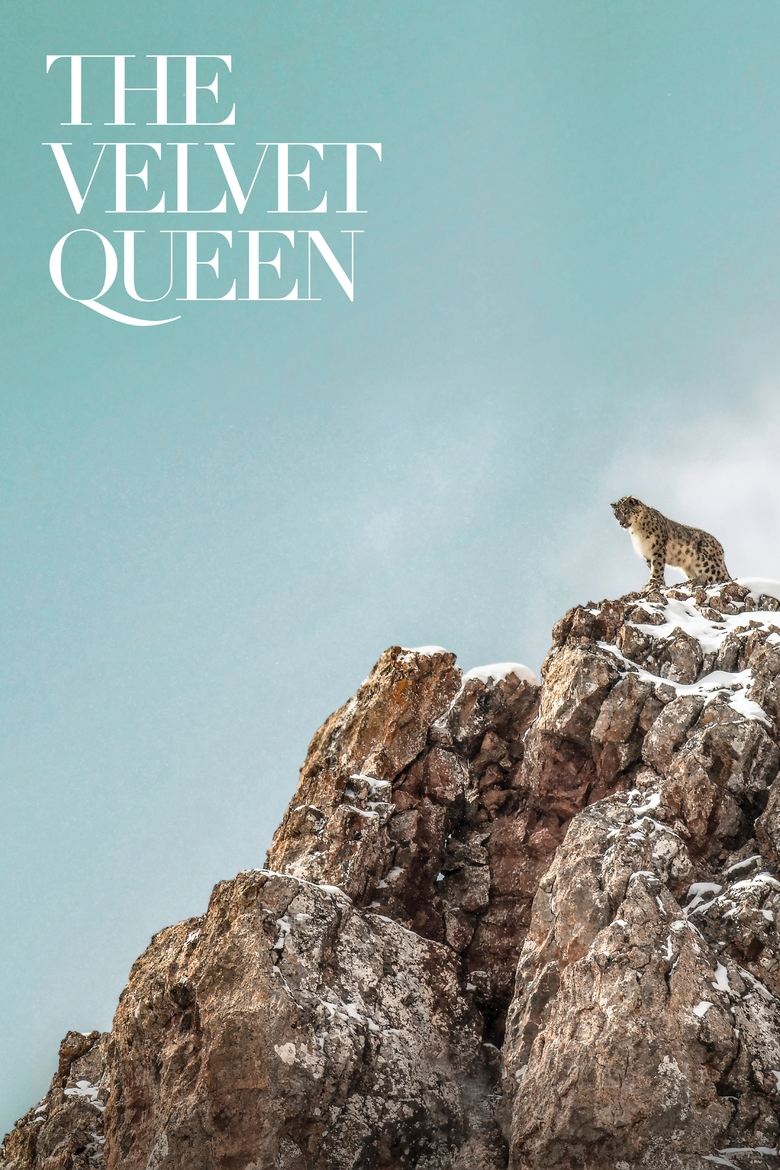
High on the Tibetan plateau, somewhere above the treeline and well beyond the reach of most film crews, Marie Amiguet and Vincent Munier made La Panthère des Neiges, released internationally as The Velvet Queen in 2021. The film follows Munier himself, a French wildlife photographer of considerable reputation, as he leads writer and adventurer Sylvain Tesson across a remote stretch of the plateau in search of the snow leopard, one of the most rarely photographed large predators on the planet. It is a French production, backed by Paprika Films and distributed internationally through Oscilloscope, running to a lean 92 minutes. The film arrived on the festival circuit to a warm reception, winning the César Award for Best Documentary Film in 2022, which gave it a broader audience than most nature documentaries of its type ever find.
Amiguet and Munier share both the directing and the writing credit, which makes sense given the collaborative and almost improvised nature of the project. Munier is not a filmmaker by background, he is a photographer, and the whole enterprise grew out of his long practice of waiting, watching and remaining still in extreme environments. Tesson, the third member of the on-screen trio alongside Amiguet, is best known in France as a travel writer and essayist (his book In the Forest of Siberia, about a voluntary six-month solitude in a Siberian log cabin, became something of a cult text in French literary circles). The pairing of a man who works in silence and images with a man who works in words and narrative gives the film an unusual conversational texture, two people processing the same experience through quite different sensibilities. For a companion piece in a very different documentary register, see also Searching for Sugar Man, another film where the subject matter threatens to do most of the emotional heavy lifting on its own.
The cinematography is credited to Léo-Pol Jacquot and Amiguet herself, and the images they have assembled are, by any measure, remarkable. The plateau is shot with long, patient takes, wide lenses that emphasise scale and emptiness rather than drama, and a colour palette that runs from bleached amber grassland to cold, pale sky. When animals appear, the camera approaches in the same unhurried register as the men themselves, as though any sudden movement might break the spell. The editor Vincent Schmitt has shaped this material into something that breathes rather than pulses, keeping the rhythm low and deliberate throughout. The score is by Warren Ellis and Nick Cave, whose ongoing collaboration has by now become one of the more distinctive sounds in contemporary film music. Here they lean into sparse, droning textures, long notes that feel geological in their patience, a marked contrast to the more emotionally declarative work they produced for The Road or Hell or High Water. It is a score you feel as ambient pressure rather than hear as melody, which suits the material well. I also reviewed The Barkley Marathons: The Race That Eats Its Young, another documentary built around human endurance and an almost perverse relationship with a hostile natural environment, and the contrast in approach is instructive.
Two men perch motionless on the Tibetan plateau, waiting, sometimes for days on end, for a glimpse of one of the planet's most elusive creatures. That is more or less The Velvet Queen: the wildlife photographer Vincent Munier and the writer Sylvain Tesson on a patient, meditative quest to find and photograph the snow leopard, high in one of the last truly wild corners of the world. And it is, without question, a beautiful thing to watch.
The landscapes are extraordinary, vast and stark and humbling, and when the wildlife does appear it is a quiet thrill. There is some interesting material threaded through, too, about the animals, the environment, and the strange discipline of waiting that this kind of photography demands. The film is unhurried by design, asking you to sit in the stillness and the patience right alongside the two men.
The trouble, for me, is that beyond those visuals it never quite gripped me the way the very best documentaries do. It is lovely to look at and calming to sit with, but once you are past the images there is not quite enough to hold onto, and it lacks the narrative pull or the emotional punch of the documentaries I rate most highly. Three stars. A gorgeous, serene and worthwhile watch, but one whose beauty rather outruns its grip.
The Velvet Queen sits in a tradition of observational nature documentary that prioritises atmosphere and presence over information and incident, closer in spirit to certain strands of slow cinema than to the Attenborough model most audiences are familiar with. Whether that unhurried approach pays off fully is very much a matter of temperament, and what follows above speaks to that honestly. For other French films that reward patience, I covered Forbidden Games and, in a rather different mood, Monsieur Hulot's Holiday, both of which suggest French cinema has never been in a particular hurry to get anywhere. The Velvet Queen is a film that will stay with you as a set of images long after the experience of watching it has faded, which is either exactly enough, or just short of it, depending on what you came looking for.
Rating: ★★★ | Year: 2021 | Watched: 2026-11-05
Trailer
▶ Watch the official trailer for The Velvet Queen (2021) on YouTube
Where to watch
Watch in the UK
Rent: Apple TV Store · Amazon Video · Sky Store · Curzon Home Cinema
Buy: Apple TV Store · Amazon Video · Sky Store · YouTube
Physical: Amazon UK · Zavvi
Watch in the US
Rent: Amazon Video · Apple TV Store · Google Play Movies · YouTube
Buy: Amazon Video · Apple TV Store · Google Play Movies · YouTube
Physical: Amazon US
Affiliate disclosure: Movies With Macca may earn a small commission on purchases or subscriptions started via these links. It costs you nothing extra.