The Constant Gardener (2005)

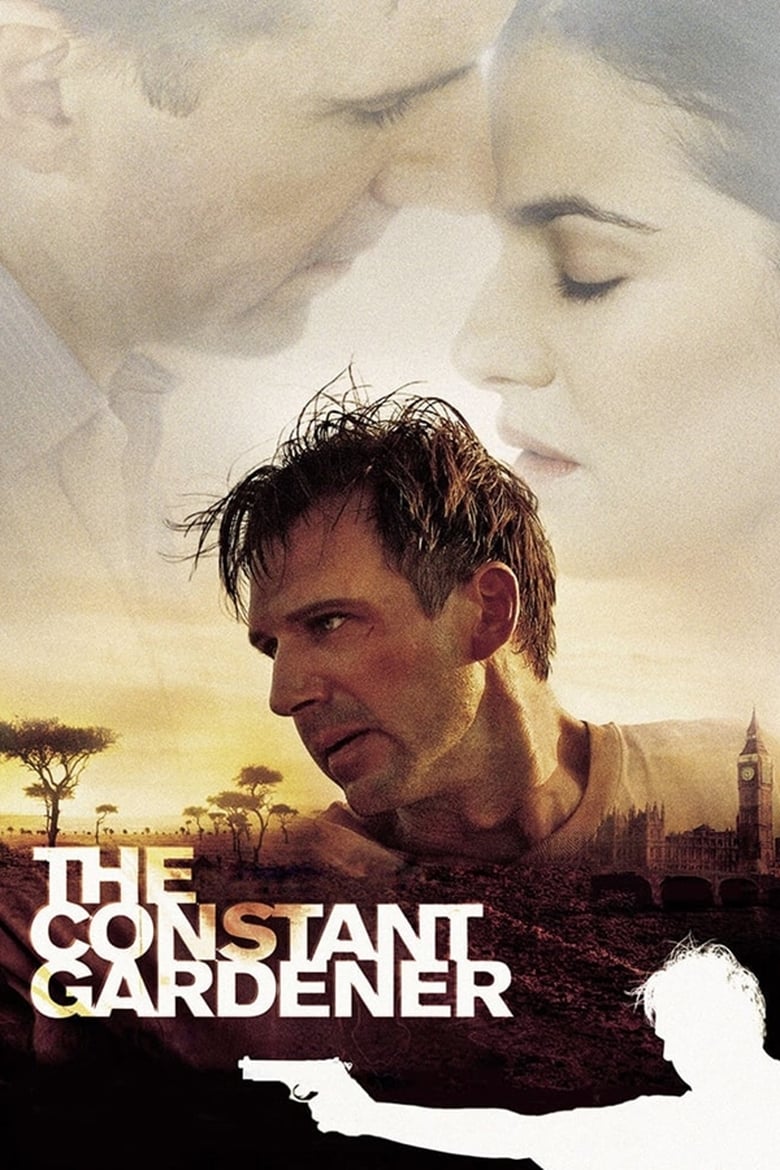
The first thing that'll either hook you or drive you absolutely mad is the camera work. Fernando Meirelles shoots this with a deliberately restless, almost chaotic energy, and I know plenty of critics have knocked the skewed angles and hyper-stylised framing, dismissing them as distracting or overly fussy. Honestly, I found the exact opposite to be true. Those unconventional shots inject a frantic, urgent pulse into the sprawling Kenyan landscapes, perfectly mirroring the protagonist's growing paranoia and the sheer, overwhelming scale of the corporate corruption he is up against. It is a bold visual choice, and it absolutely adds something vital to the atmosphere. Coming off I loved City of God, I had a pretty good idea Meirelles could handle this kind of kinetic, immersive visual grammar, and he does not disappoint.
The story, adapted from John le Carré's novel, is a political thriller built around a British diplomat piecing together the truth behind his wife's murder in Kenya, and what he uncovers goes far deeper than any personal betrayal. It is sharp, morally furious stuff, the kind of film that wants you uncomfortable, and largely succeeds.
Structurally, the film leans heavily on non-linear storytelling, jumping between a bleak present-day investigation and vibrant, sun-drenched flashbacks. I thought this was a genuinely strong narrative device. It keeps the mystery feeling fresh and stops the plot from becoming a predictable, linear trudge. There are enough sharp twists to keep you genuinely guessing throughout. That said, I will admit the over-two-hour runtime occasionally tests your patience. There are stretches of dense diplomatic dialogue that feel a bit of a slog, threatening to stall the momentum at precisely the moments when the thriller elements should be kicking into high gear. A tighter edit in the middle act would have made a real difference.
What saves the picture from bogging down entirely, though, is the sheer quality of the performances. I'll be completely honest here: I am not normally a massive fan of Ralph Fiennes. I often find him a touch too stiff or theatrical, a bit too aware of his own gravitas. Yet here he is genuinely strong, delivering a beautifully understated, quietly devastating portrayal of the mild-mannered diplomat at the centre of everything. He carries the film's grief with a kind of bewildered, creeping anguish that really lands. He is more than matched by Rachel Weisz, whose fiery, magnetic performance as his activist wife is the undeniable heartbeat of the whole thing. The flashback sequences work precisely because she makes you feel exactly what has been lost. Fair play also to Bill Nighy, who brings his trademark dryly cynical reliability to the role of a senior Foreign Office official, grounding the more melodramatic moments with a dose of weary, bureaucratic realism. It is the kind of supporting turn Nighy makes look effortless, which means people underestimate how much it contributes.
There is a real anger running beneath the surface of this film. It is not content to just deliver a competent thriller and leave you satisfied. It wants to implicate you in something, to make the geopolitical outrage feel personal, and by the time the credits roll it has largely managed it. The intimate grief and the sweeping political fury are held in a difficult, sometimes uneasy balance, but when it works, it really works.
Three and a half stars.
The Constant Gardener is a deeply compelling, visually striking piece of work that refuses to look away from uncomfortable truths. It might occasionally overstay its welcome in the boardrooms and briefing rooms, but the emotional payoff and the audacity of the filmmaking more than compensate. Meirelles has made a sharp, twisting thriller with genuine moral weight, and that is rarer than it ought to be.
Rating: ★★★½ | Year: 2005 | Watched: 2026-08-11
Where to watch
Watch in the UK
Rent: Apple TV Store · Rakuten TV · Amazon Video · Google Play Movies
Buy: Apple TV Store · Rakuten TV · Amazon Video · Google Play Movies
Physical: Amazon UK · Zavvi
Watch in the US
Rent: Amazon Video · Apple TV Store · Google Play Movies · YouTube
Buy: Amazon Video · Apple TV Store · Google Play Movies · YouTube
Physical: Amazon US
Affiliate disclosure: Movies With Macca may earn a small commission on purchases or subscriptions started via these links. It costs you nothing extra.