
Heaven and Earth Magic (1962)
★ — Heaven and Earth Magic (1962)

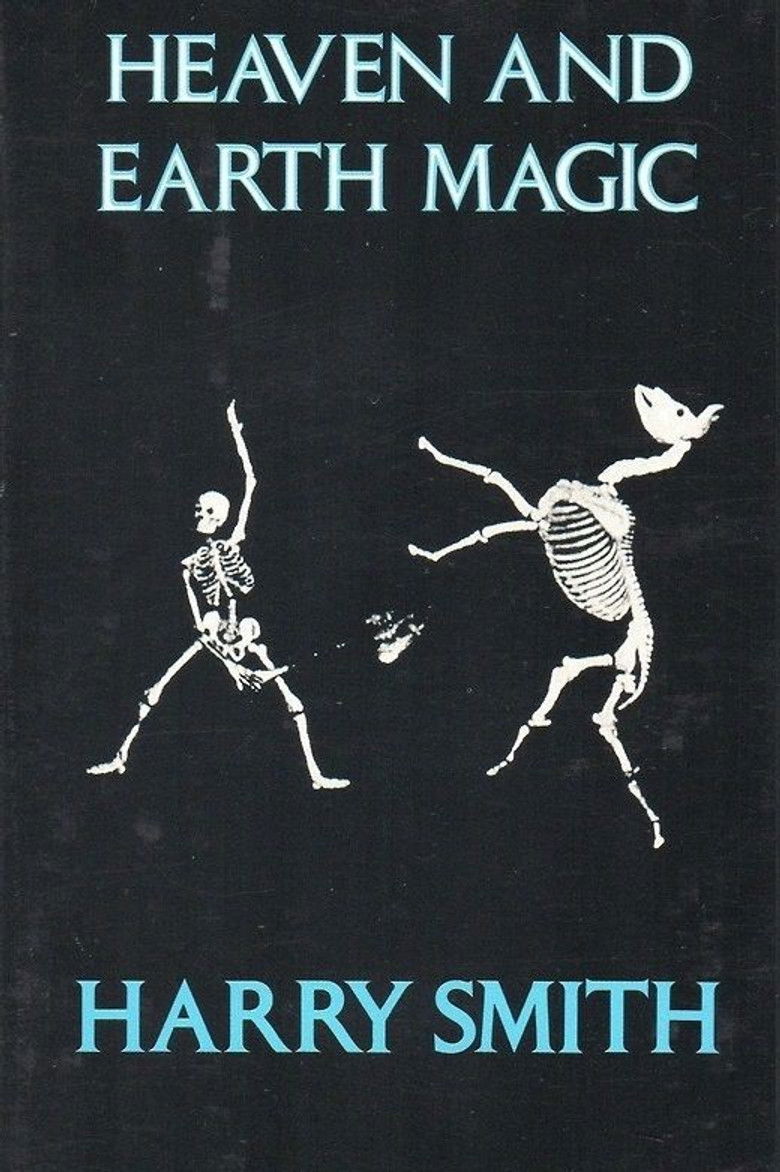
Let me be straight with you: I nearly fell asleep. Not in that pleasantly drowsy way you sometimes get with slow cinema, where the rhythm lulls you into something almost meditative. No, this was the kind of creeping, desperate boredom where you start clock-watching, wondering if you've somehow accidentally paused it, and then realising with a sinking feeling that no, this is the pace, this is the film, and there's still forty minutes left.
Harry Smith's Heaven and Earth Magic is, in the most generous possible terms, an hour of Victorian-era paper cutouts shuffling against monochrome backdrops. Surreal imagery, loosely arranged, with no dialogue, no proper soundtrack, and no discernible narrative thread to grab hold of. Just shapes moving. Slowly. For a very long time. The closest thing to accompaniment is the ambient hum of the projector itself, which, by the halfway mark, I was listening to with more engagement than anything happening on screen.
Now look, I want to be fair here. I understand what Smith was going for. This is collage filmmaking as a kind of dream logic, Victorian illustration repurposed into something strange and subconscious. The academic case for it is easy enough to sketch out: it was avant-garde in the truest sense, assembled over years, a singular vision, a Greenwich Village happening made celluloid. I get it. I genuinely do. But understanding something intellectually and actually enjoying the experience of sitting through it are two very different things, and I'm not in the business of pretending otherwise.
There's a certain strain of experimental film that earns its difficulty. I've sat with challenging, dialogue-free work before and come out the other side genuinely moved. Persona (1966) strips away conventional storytelling and still crackles with electricity, with menace, with something that grabs you even when it's actively refusing to explain itself. Heaven and Earth Magic doesn't have that charge. It substitutes obscurity for meaning and stillness for artistry, and those are not the same things, not even close.
What might have felt transgressive or genuinely strange in the context of early 1960s underground cinema now reads, to these eyes at least, as inert and self-indulgent. The cutouts shuffle. The backdrops stay monochrome. A tooth appears here, a figure there, something vaguely dentistry-related seems to recur (don't ask me why), and the whole thing moves with all the urgency of a tax audit. There's no sense that the film is building toward anything, or deliberately subverting the expectation of building toward anything. It just sort of exists, and then stops existing, and that's about the measure of it.
I'm not someone who dismisses experimental work out of hand. Animation that plays with form and pushes into stranger territory can be genuinely thrilling. Fantastic Planet (1973) is a film that uses its unusual visual grammar to create something with real emotional and political weight. Even when a film is weird and difficult, there's usually a pulse somewhere underneath it. Here, I couldn't find one.
Its status as a historical footnote in the story of American avant-garde cinema is probably secure, and I'd never argue Smith didn't have a vision. He clearly did. Whether that vision translates into a rewarding viewing experience is a different question entirely, and my honest answer is no, not for me, not even slightly.
One star. Skip it unless someone's grading you on it. And even then, I'd weigh up the alternatives carefully.
Rating: ★ | Year: 1962 | Watched: 2026-03-31
Related on Movies With Macca
More from the 1960s: Viy (1967) · Persona (1966) · Carnival of Souls (1962) · Daisies (1966)
More animation: Fantastic Planet (1973) · Alice in Wonderland (1951) · Mononoke the Movie: The Phantom in the Rain (2024) · Mononoke the Movie: Chapter II - The Ashes of Rage (2025)



