Cachada: The Opportunity (2019)

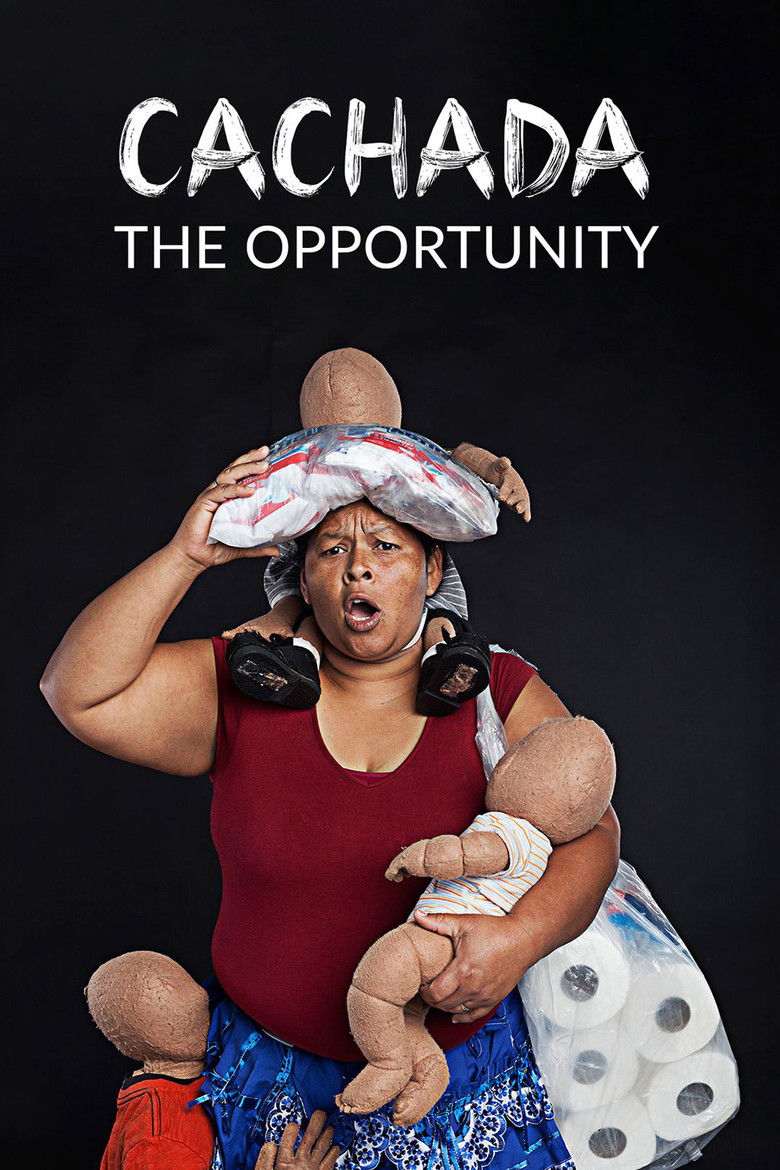
There's a moment in Cachada: The Opportunity when you realise the film you're watching has quietly become something else entirely. What started as a modest community project, five female street vendors gathering for a spot of amateur dramatics framed as a lighthearted empowerment exercise, has turned into one of the most raw, quietly devastating documentary experiences I've seen in years. Director Marlen Vinayo sets the scene gently, almost casually, and then the floor drops out from under you.
Because what emerges from these rehearsal sessions is a startling, heartbreaking pattern. One by one, each woman begins to reveal deeply personal accounts of domestic and sexual abuse, often at the hands of family members or trusted adults, trauma passed down through generations like a terrible inheritance. There's no anchor desk, no talking-head expert to contextualise it for you. Just these women, in their own words, finding through performance a language for things they may never have spoken aloud before. It's extraordinary to witness.
Vinayo's approach is gentle but completely unflinching. She lets the narrative breathe and unfold organically, trusting her subjects rather than steering them. Performance and lived experience blur into one another as the women rehearse and act out everyday scenarios, using dramatics as a form of collective catharsis. There's no manufactured drama here, no heavy narration nudging you towards how to feel. Just the quiet, accumulating weight of women reclaiming their own stories through gesture, dialogue and shared vulnerability. I was reminded a little of Salaam Cinema, another film where the act of performance itself becomes the real subject, where the camera finds something true precisely because the people in front of it are reaching for something.
If I have one genuine gripe, it's that Vinayo makes the choice to withhold the full stage performance from us. I understand the instinct, perhaps it felt too tidy, too theatrical a payoff for such a raw and open process, but I'd have loved to see it. That said, she compensates with something almost as powerful: sustained, sustained shots of the audience watching the performance. Tears streaming, people gripping each other, the whole room undone. It carries its own enormous weight and makes clear, without any need for commentary, just how transformative this project has become for everyone in that space.
And the real-world impact is where Cachada goes from being a compelling documentary to something genuinely remarkable. These women didn't simply process their trauma on camera and walk away. They turned their experience into a sustainable touring production, finding financial independence in the process while helping thousands of other survivors find language for their own stories. Art and advocacy and healing, all running together, none of them diminished by the others. It's the kind of outcome that makes you feel briefly, fiercely hopeful about what storytelling can actually do when it's in the right hands.
There are minor structural gaps, moments where you wish Vinayo had pushed a little further or lingered a little longer. But honestly, those feel like quibbles set against the film's broader emotional honesty. What she's captured here is patient, precise and deeply human: proof that truth doesn't need polish or grand production to hit you where it counts. Sometimes you just need a camera, some trust, and enough time to let people speak.
Four stars. Essential viewing, and I mean that without any reservation. A quietly revolutionary piece of work that reminds you how powerful it is, for the person speaking and the person listening alike, to simply be heard.
Rating: ★★★★ | Year: 2019 | Watched: 2026-06-01
Where to watch
Watch in the UK
Stream: Amazon Prime Video · Amazon Prime Video with Ads
Rent: Amazon Video
Buy: Amazon Video
Physical: Amazon UK · Zavvi
Watch in the US
Stream: Amazon Prime Video · Amazon Prime Video with Ads
Rent: Amazon Video
Buy: Amazon Video
Physical: Amazon US
Affiliate disclosure: Movies With Macca may earn a small commission on purchases or subscriptions started via these links. It costs you nothing extra.