Blonde Cobra (1963)
½ — Blonde Cobra (1963)

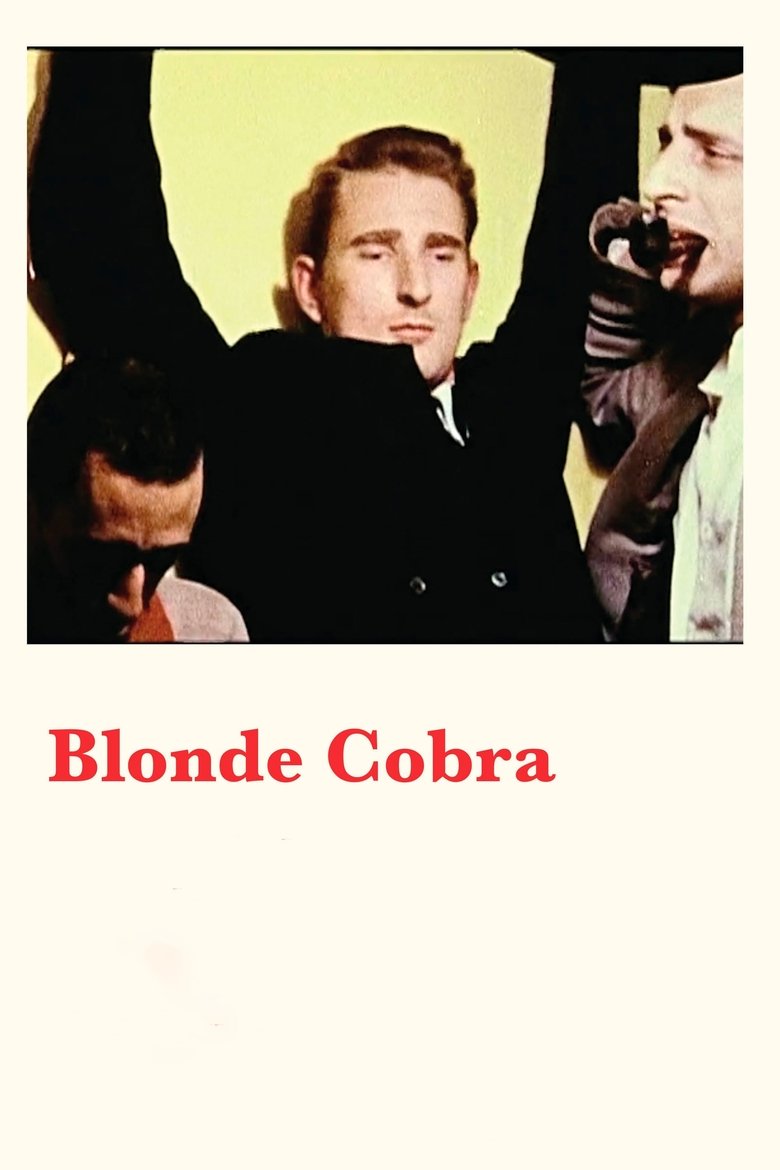
Half a star. That's where we're starting, and I'm not apologising for it.
Look, I try to go into experimental cinema with an open mind. I genuinely do. Some of my favourite films are deliberately difficult, fractured, or formally strange. I've sat with Persona and found it hypnotic and genuinely unsettling in ways that linger for days. And Daisies (1966) is anarchic and gleefully chaotic but it has a pulse, a wit, a reason to exist. The point is: challenging does not automatically mean worthless. But Blonde Cobra tests that conviction in ways I wasn't prepared for.
This is thirty minutes of degraded image, muddy sound, and absolutely no discernible structure, dressed up in the kind of self-importance that makes you want to go for a long walk and think about literally anything else. Ken Jacobs' experimental short feels less like a film and more like someone's private in-joke that got left running on a projector by mistake. And rather than anyone stopping it, everyone in the room nodded along because stopping it would mean admitting they weren't getting it.
What frustrates me most is the smugness radiating off the whole enterprise. There's a particular brand of avant-garde work that seems to exist primarily so that other avant-garde filmmakers can praise it in academic journals, and Blonde Cobra has that quality in abundance. It's art made for a sealed room. Whatever transgressiveness it might have carried in a 1960s underground loft has long since curdled. Watched now, it reads as amateurish posturing, like someone riffing unintelligibly into a mirror for half an hour and deciding that constitutes cinema.
There's no rhythm to grab onto. No emotional hook. No moment where I thought, right, I see what this is doing, I see why this exists. Just a sustained, aggressive refusal to offer anything to the viewer beyond the vague implication that your boredom is somehow your fault. That you're not evolved enough. That if you're not finding this meaningful, the problem is you.
I don't buy it.
I'll grant it a footnote in queer and experimental film history, and I understand the context around the scene it came out of. Fine. Noted. But a footnote is not the same as a worthwhile viewing experience, and I think we do people a disservice when we conflate historical significance with actual quality. You can acknowledge something mattered to a movement while still being honest that sitting through it offers nothing but frustration and a glance at the clock.
Some experimental films genuinely challenge you. They disorient you in ways that feel purposeful, that open something up rather than simply closing a door in your face. This isn't one of them. If you're already sceptical of avant-garde cinema, Blonde Cobra will confirm every suspicion you've ever had, and I'd struggle to blame you for that. And if you're a committed fan of the form, I'd still ask you, hand on heart: what are you actually getting from this? Because I couldn't find it.
Half a star, and that's me being generous for the thirty minutes I'll never get back.
Rating: ½ | Year: 1963 | Watched: 2026-03-16
Related on Movies With Macca
More from the 1960s: Viy (1967) · Persona (1966) · Carnival of Souls (1962) · Daisies (1966)