Lingui, the Sacred Bonds (2021)

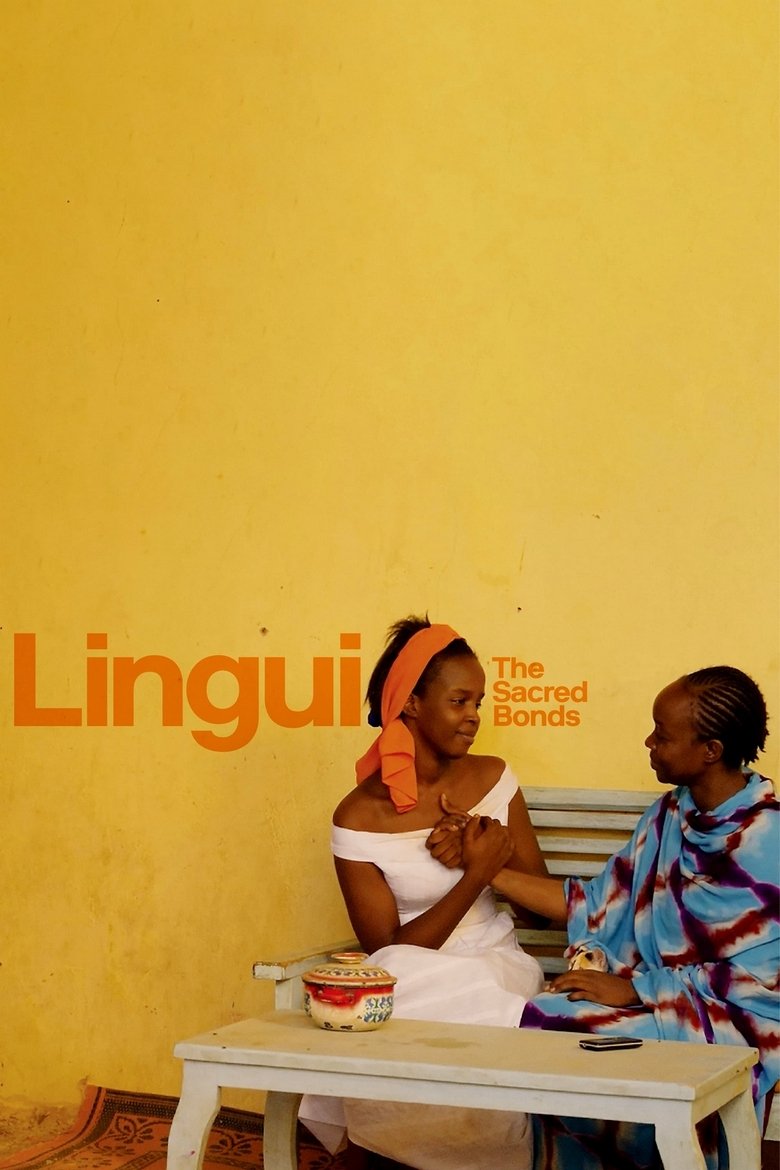
There's a moment about halfway through Lingui, the Sacred Bonds where the camera simply watches a woman work. No dialogue, no dramatic score, just hands moving and the sounds of daily labour filling the frame. It's the kind of moment that either locks you in completely or makes you wonder when something is going to happen. For me, it did a bit of both, and that tension pretty much sums up my experience of the whole film.
Mahamat-Saleh Haroun's drama follows a mother and her teenage daughter as they navigate a crisis that their deeply conservative Chadian society gives them almost no room to face openly. The subject matter is raw and urgent, bodily autonomy, faith, family loyalty, the quiet violence of social expectation, and the film handles all of it with a restraint that is, depending on your patience, either admirable or a little frustrating. Haroun never sensationalises. He never preaches. He just watches, with an empathy that feels genuine and hard-earned.
And look, I want to be honest about the fact that this film's existence alone carries weight. Chad has a fledgling cinematic history, and a film this assured, this visually accomplished, this morally serious, arriving from there feels significant. It joins a tradition of African social realism that I find genuinely exciting to follow. I think about Talking About Trees and the way that film illuminated what it means to try to keep a cultural voice alive under enormous pressure. Lingui belongs in a similar conversation.
The cinematography is the first thing that'll stop you in your tracks. Natural light is used throughout to stunning effect, and the Chadian landscape, dusty, sun-bleached, beautiful in its austerity, does a lot of quiet emotional work. The two central performances are understated in a way that fits the film's rhythm perfectly. These are women who have learned not to say too much in public, not to show too much, and that watchfulness comes across in every scene they share.
So why only three stars? Here's where I have to be straight with you. Lingui is a film I respect more than I feel. I admired it. I appreciated what it was doing and why. But it held me at a slight arm's length throughout, and I'm not sure that was entirely intentional. The pacing is deliberate, which is fine, but there are stretches where it tips from meditative into inert. The emotional beats are genuine, but they land softly, sometimes too softly, and the film never quite delivers the gut punch you keep sensing it's building toward.
It's a film that plays things safe in its formal choices while being genuinely courageous in its subject matter, and that combination produces something slightly mismatched. You're watching a film about women taking enormous personal risks, but the filmmaking itself rarely risks very much. The result is earnest and sincere and beautifully crafted, but it doesn't linger. A few days after watching it, I found I could recall the mood more easily than any specific moment.
None of that is a dismissal. Courageous, beautifully shot, emotionally sincere, those aren't small things. And for viewers who come to film specifically for social commentary, for stories of resilience and female solidarity told from perspectives that rarely get this kind of care and craft, Lingui will deliver something real and worthwhile. It's a landmark for Chadian cinema. It deserves its audience.
But if you're hoping for something that rearranges you, that stays lodged somewhere behind the sternum long after the credits roll, you may find it plays a note or two too quietly. A worthy film. A genuinely good film. Just not an unforgettable one.
Three stars.
Rating: ★★★ | Year: 2021 | Watched: 2026-06-03
Where to watch
Watch in the UK
Stream: MUBI · MUBI Amazon Channel
Rent: Apple TV Store · Rakuten TV · Amazon Video
Buy: Apple TV Store · Rakuten TV · Amazon Video
Physical: Amazon UK · Zavvi
Watch in the US
Stream: MUBI · MUBI Amazon Channel
Rent: Amazon Video · Apple TV Store · Fandango At Home
Buy: Amazon Video · Apple TV Store · Fandango At Home
Physical: Amazon US
Affiliate disclosure: Movies With Macca may earn a small commission on purchases or subscriptions started via these links. It costs you nothing extra.