Crouching Tiger, Hidden Dragon (2000)

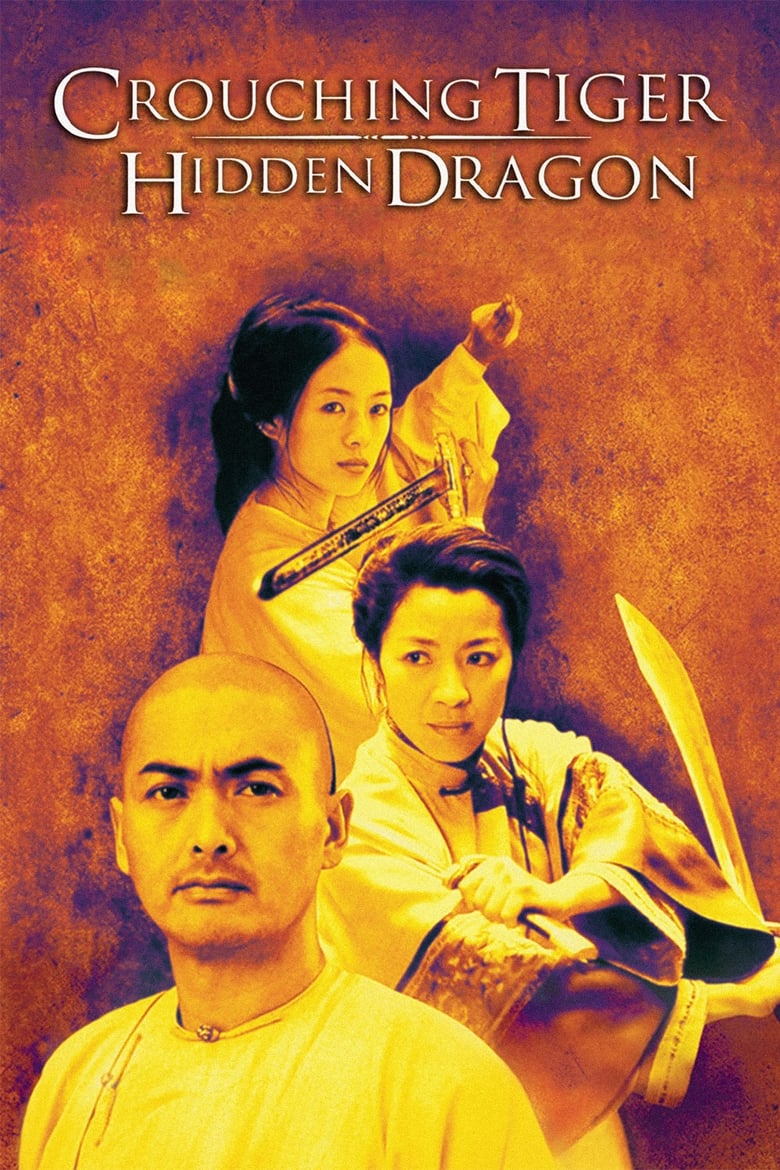
There are films you see at the right moment in your life that hit like a thunderclap, and Crouching Tiger, Hidden Dragon was exactly that for me. I was a wide-eyed teenager picking up what felt like a "decent" rental, and what I got was something closer to a revelation. A foreign-language film that felt like an event. Proof that martial arts cinema could be artistically ambitious and genuinely moving, not just exciting. It earned its Oscar glory, it earned its mainstream crossover, and it earned the generation of global interest in Asian action cinema that followed in its wake. No argument there.
Coming back to it now, though, my feelings are a little more complicated. Not regretful, exactly. More like the mild wistfulness of revisiting something you loved and finding it slightly smaller than memory made it.
Where the film absolutely still soars is in Yuen Woo-ping's choreography. Every duel feels less like violence and more like an emotive conversation. The bamboo forest sequence alone is gorgeous: fighters skimming treetops, blades barely touching, the whole thing staged like a pas de deux between two people who understand each other too well to say what they mean. The tavern brawl has a completely different rhythm, scrappier and more chaotic, and the final confrontation on the lake carries a weight that no amount of visual poetry can dilute. Each fight is tailored to its participants, revealing character and longing and restraint in ways that dialogue sometimes cannot. That is genuinely rare in the genre, and it's why the film still deserves its reputation. I've loved plenty of wuxia and Hong Kong action, going back to classics like Come Drink with Me, but the emotional intelligence behind Yuen's work here is something special.
The problem, and it is a real one in 2025, is the wire work. What felt revolutionary and dreamlike at the turn of the millennium now reads, too often, as hammy. Characters drifting through the air with a weightlessness that undermines the very stakes Ang Lee is working so hard to build. There are moments that should feel intimate and charged, two people circling each other, exposed and desperate, and instead they float skyward and the spell breaks. The technique was meant to suggest poetic freedom, a world where emotion bends physics. Sometimes it still does. But just as often it pulls you out of the film at exactly the wrong moment.
It's a shame, because strip away the wires and you've got a film of real grit and feeling underneath. Ang Lee handles the quieter scenes with the same care he'd bring to Brokeback Mountain a few years later: longing kept at arm's length, desire expressed through restraint, the emotional truth buried just below the surface. That sensibility works beautifully in the drama. It's only when the film reaches for its most overtly spectacular moments that the gap between intention and effect starts to show.
The pacing, too, favours lyricism over momentum in ways that don't always serve the story. There are stretches where the film floats a little too contentedly in its own beauty, and you find yourself waiting for it to snap back into focus. A tighter hand in the edit might have sharpened it considerably. Compare it to the propulsive, tactile energy of something like Police Story 3: Super Cop and you feel the difference between a film that dazzles and one that also drives.
Crouching Tiger, Hidden Dragon is still very good. Visually sumptuous, emotionally rich, choreographically brilliant in its best moments. But it has aged unevenly, and watching it today asks something of you: a willingness to look past the dated stylistic flourishes to the timeless story underneath. That story is worth finding. I just wish the film trusted it a little more.
Three and a half stars.
Rating: ★★★½ | Year: 2000 | Watched: 2026-05-31
Where to watch
Watch in the UK
Stream: Netflix · Netflix Standard with Ads · Sony Pictures Core Amazon Channel
Rent: Apple TV Store · Rakuten TV · Amazon Video · Google Play Movies
Buy: Apple TV Store · Rakuten TV · Amazon Video · Google Play Movies
Physical: Amazon UK · Zavvi
Watch in the US
Stream: Sony Pictures Core Amazon Channel
Rent: Amazon Video · Apple TV Store · Google Play Movies · YouTube
Buy: Amazon Video · Apple TV Store · Google Play Movies · YouTube
Physical: Amazon US
Affiliate disclosure: Movies With Macca may earn a small commission on purchases or subscriptions started via these links. It costs you nothing extra.