The Fast and the Furious at Twenty-Five: A Look Back
The Fast and the Furious (2001) at twenty-five: a look back at the film, its making and its legacy.

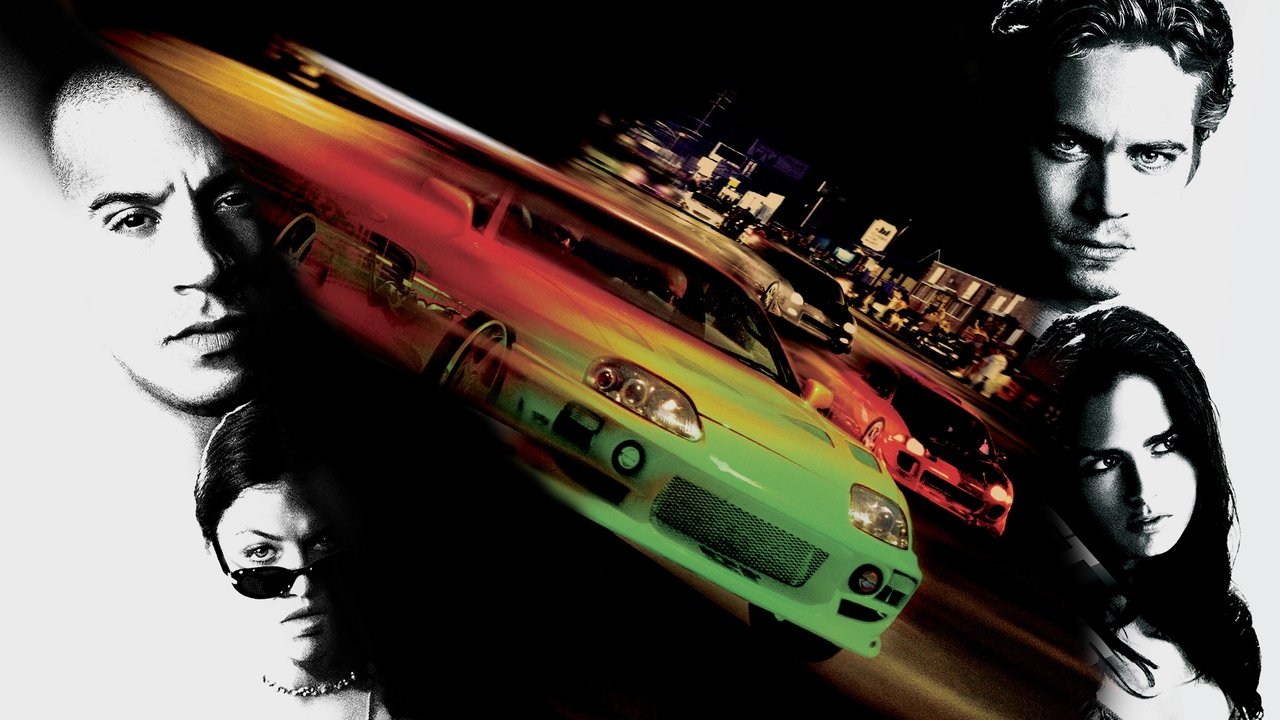
Twenty-five years ago next week, on 22 June 2001, a film about street racing in Los Angeles arrived in British cinemas with ambitions that stretched far beyond the Fast and Furious underground scene it depicted. Rob Cohen's debut feature was arriving into a specific moment: the early 2000s were awash with youth-oriented action films, yet there was something different about this particular project. It wasn't based on an existing franchise. It didn't have an A-list star carrying it (at least, not in the traditional sense). What it had instead was a premise about undercover cop Brian O'Conner infiltrating the crew of street racer Dominic Toretto, a simple framework that would somehow justify two hours of automotive spectacle and family drama.
The film emerged from Universal's desire to catch the wave of tuner culture that was gaining prominence in American suburbs, though the production itself had a rather troubled journey to the screen. Cohen brought a music video sensibility to the proceedings, which meant the film's sense of style often outpaced its narrative coherence, but that turned out to be rather the point. The casting of Paul Walker and Vin Diesel created an unexpected chemistry, one that worked precisely because neither actor was yet burdened by massive stardom. Michelle Rodriguez, meanwhile, gave the female lead a scrappiness that refused to be merely decorative. What made the film distinctive wasn't technical innovation, but rather its shameless commitment to spectacle paired with genuine emotional stakes (however thin they might sometimes be). Audiences in 2001 could have dismissed this as nonsense. Instead, they turned up in remarkable numbers.
A quarter-century on, it's difficult to overstate The Fast and the Furious' influence on action cinema and franchise building. It spawned a series that would eventually span eleven mainline films, spin-offs, and countless ancillary products, becoming one of the most profitable franchises in cinema history. Yet the original remains interesting precisely because it's still recognisably a film rather than a corporate product, rough-edged in ways the sequels would never permit. The opening street racing sequence has lost none of its visceral appeal, and the film's investment in Toretto's code of loyalty, for all its adolescent posturing, provided emotional scaffolding that the series would mine for decades. Time hasn't been entirely kind to every element here (the treatment of race, the simplistic politics, the CGI that was already ageing), but the core appeal endures. Sometimes the most influential films are simply the ones brave enough to prioritize fun.
Read my full review of The Fast and the Furious (2001): The Fast and the Furious (2001) ★★★★
Related on Movies With Macca: more Action films · more Germany films · Macca's Must Watch · more articles