Touki Bouki (1973)

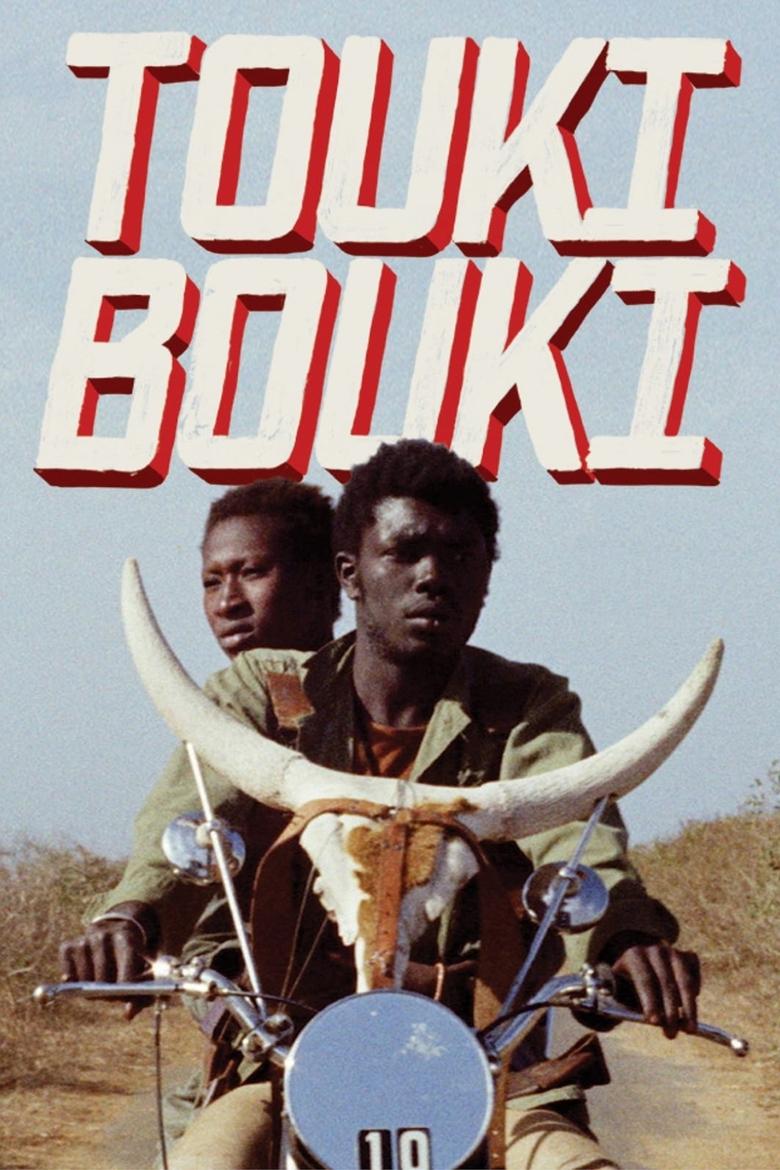
There's a moment in Touki Bouki where you feel the whole film snap into focus: two young lovers on a motorbike adorned with a cow's skull, tearing through the streets of Dakar with nothing but nerve and a half-formed plan, dreaming of Paris like it's the promised land. It's absurd, it's romantic, it's a little tragic, and it tells you everything you need to know about what Djibril Diop Mambéty is doing here. This is a film about desire as much as it's about escape, and Mambéty shoots that desire with the kind of feverish, restless energy that gets right under your skin.
The premise is deceptively simple. Mory (Magaye Niang) and Anta (Mareme Niang) are young, skint, and sick of Dakar. They want out, they want Paris, they want the glossy, romanticised version of the West that's been sold to them. To fund the dream, they scheme and steal and hustle their way through a string of increasingly bold scams. It's a brilliant, rebellious setup, and it works because Mambéty never lets you forget what's underneath it: the post-colonial frustration of a generation caught between the world they've inherited and a world that probably won't have them the way they're imagining.
As a piece of cinema, the film is raw. Genuinely, unapologetically raw. You can tell it was made on next to nothing, but that's not a criticism because the gritty, vibrant aesthetic those old cameras provide is exactly right for this story. The frenetic jump cuts, the striking visual metaphors, the way a scene can lurch from playful to dreamlike to brutal in the space of a minute: it owes something to the French New Wave, clearly, but it never feels like imitation. It feels distinctly, unmistakably African, and distinctly Mambéty's own. He throws you headfirst into the sights and sounds of 1970s Senegal and trusts you to keep up.
It reminded me quite a bit of the Jamaican classic The Harder They Come, actually. Both films share that same scrappy, punk spirit: fiercely independent protagonists making terrible decisions you can't help but root for, killer soundtracks that set the mood perfectly, and that palpable sense of youthful rebellion grinding up against the hard edges of the real world. There's something in the DNA of both films that feels genuinely alive in a way that a lot of more polished, more expensive cinema simply doesn't manage.
That said, I won't pretend Touki Bouki is a flawless watch. The pacing is erratic in places, and the narrative jumps around in ways that will genuinely lose some viewers. There are moments where the film's avant-garde instincts work against its momentum, where you're left slightly adrift rather than productively disoriented. It asks a lot of you, and it's not always going to feel worth it in the moment. These are real criticisms, not just caveats.
But the sheer audacity of the thing more than makes up for the rough edges. Mambéty was doing something genuinely new here, carving out a cinematic language that didn't look to Hollywood or even to European art cinema for permission. If you've seen Black Girl, you'll already know how vital that tradition of bold, uncompromising Senegalese filmmaking is, and Touki Bouki sits right at the heart of it. It's a film that refuses to hold your hand, and that refusal is part of what gives it its enduring power.
Three and a half stars. If you've got any appetite for world cinema with a bit of bite and a lot of nerve, track this one down.
Rating: ★★★½ | Year: 1973 | Watched: 2026-06-13
Where to watch
Watch in the UK
Stream: MUBI · MUBI Amazon Channel
Physical: Amazon UK · Zavvi
Watch in the US
Stream: HBO Max Amazon Channel · MUBI · MUBI Amazon Channel · HBO Max
Rent: Amazon Video · Apple TV Store · Fandango At Home
Buy: Amazon Video · Apple TV Store · Fandango At Home
Physical: Amazon US
Affiliate disclosure: Movies With Macca may earn a small commission on purchases or subscriptions started via these links. It costs you nothing extra.