Pacifiction (2022)

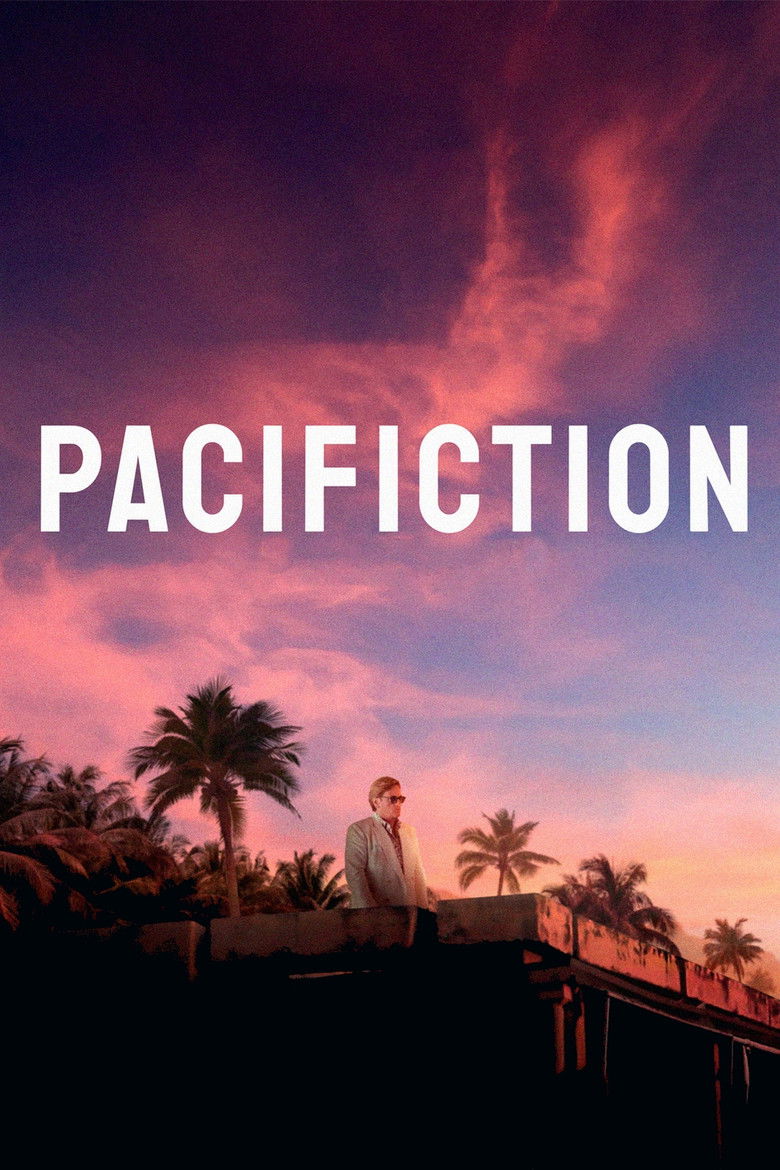
There's a version of Pacifiction that I would have loved. A French colonial administrator drifting through the bars, beaches and clubs of Tahiti, wielding soft power with a smile, colliding with locals in ways that expose something ugly and true about privilege and empire. That film sounds genuinely compelling. Unfortunately, what Albert Serra has actually made is something closer to an endurance test dressed up in extraordinarily beautiful clothes.
The setup is simple enough. A man, some sort of high-ranking French official, moves through French Polynesia with the easy entitlement of someone who has never once questioned his right to be in a room. He talks. He watches. He performs authority with a kind of idle grace. And then he does it again. And again. For two and a half hours. Long, unbroken takes stretch out across sparse dialogue and gorgeous landscape, and Serra refuses, absolutely refuses, to let anything so vulgar as narrative momentum disturb the mood he's so carefully constructed.
I want to be fair here. The cinematography is genuinely stunning. There are frames in this film that could be pulled out and hung on a gallery wall, no questions asked. Lush greens, golden-hour light spilling across the Pacific, compositions that have a real painterly patience to them. If you're the sort of viewer who can sit with an image and let it breathe, there are moments here that reward that willingness. I'm not immune to visual poetry. I can find beauty in slow cinema when there's something underneath pulling me forward.
But beauty, on its own, can't carry a hundred and fifty minutes. Not when the emotional stakes remain so deliberately, stubbornly flat from first scene to last. I kept waiting for a crack to appear, for some moment of confrontation or revelation that would reframe everything I'd watched. It never came. No arc, no collision, no payoff. The colonialist protagonist simply exists, drifts and performs, and the film watches him do it with the same detached curiosity he shows toward the people around him. There's something almost fitting about that, I suppose, but fitting isn't the same as satisfying.
Compare that to something like Fitzcarraldo, a film with a pace that similarly demands patience. That film earns every slow minute because there's a monumental, almost absurd human ambition pulling you through it. You feel the weight of what's being attempted. Pacifiction offers no such contract. Serra seems entirely uninterested in earning your attention, only in having it.
I've sat with films that find real meaning in colonial geography and dislocation. I found Cape Verde My Love a fascinating and genuinely affecting look at how identity and place press against each other. Pacifiction aims at something in that territory but stays so resolutely on the surface that the critique, if it's even there, never lands.
To be clear: this is not a badly made film. Serra knows exactly what he's doing. Every choice is deliberate, every empty beat is intentional. That's almost the problem. A film this controlled, this committed to its own inertia, leaves no room for accident, surprise or human warmth. The result is a film you can admire from a careful distance and feel absolutely nothing for.
One and a half stars. Seek it out if slow cinema is your thing, or if you want to spend two and a half hours watching some of the most gorgeous tropical photography you'll ever see. But if you want story, or character, or any sense of arrival at the end of a journey? Pacifiction will leave you as unmoved as the ocean it frames so beautifully.
Rating: ★½ | Year: 2022 | Watched: 2026-06-01
Where to watch
Watch in the UK
Stream: BFI Player Amazon Channel · BFI Player Apple TV Channel
Rent: Apple TV Store · Amazon Video · Google Play Movies · YouTube
Buy: Apple TV Store · Amazon Video · Google Play Movies · YouTube
Physical: Amazon UK · Zavvi
Watch in the US
Stream: Philo · MUBI · MUBI Amazon Channel · Fandor Amazon Channel
Rent: Amazon Video · Apple TV Store
Buy: Amazon Video · Apple TV Store
Physical: Amazon US
Affiliate disclosure: Movies With Macca may earn a small commission on purchases or subscriptions started via these links. It costs you nothing extra.