Four Daughters (2023)

There is a very specific, fascinating subgenre of cinema that blurs the line between documentary and performance, using real-life trauma as a vehicle for on-screen catharsis. I've sat through a fair few of these over the years. Think Salaam Cinema, or films like 1001 Frames, where the camera captures actual people processing genuine pain through the lens of acting, and the artifice becomes the point. It's a mode of filmmaking that demands a certain kind of trust from the audience, and when it works, it works like almost nothing else.
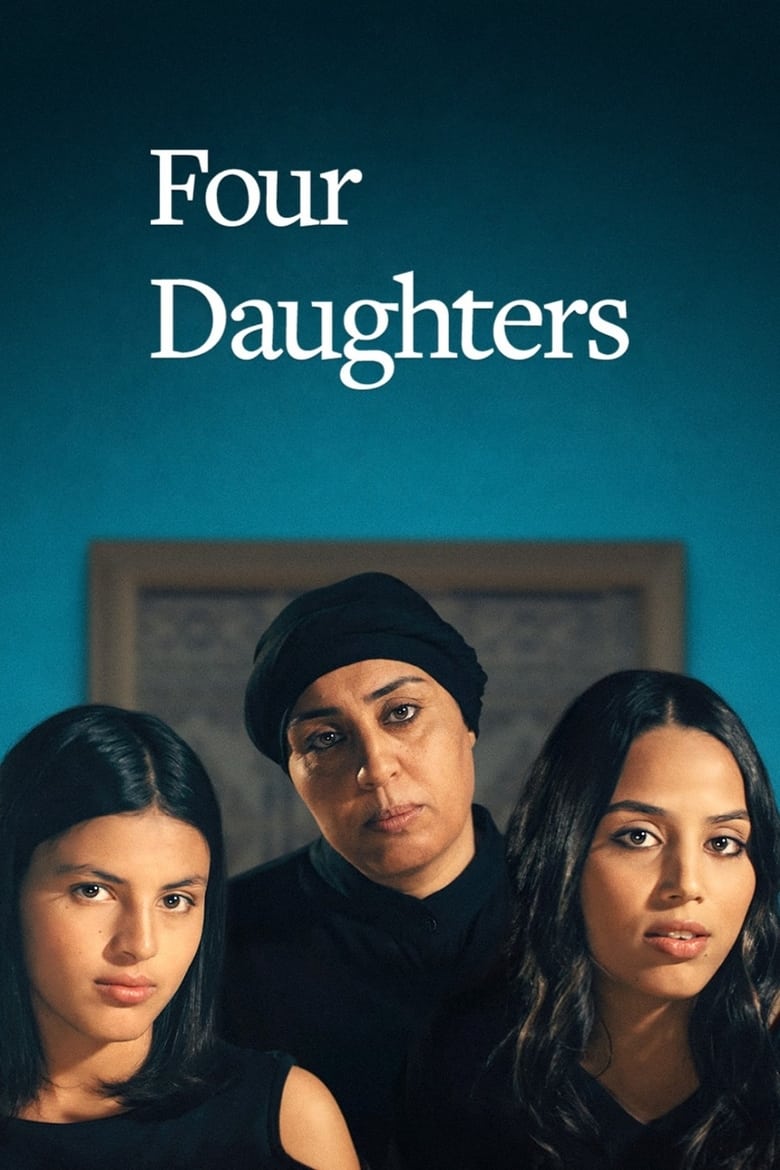
Kaouther Ben Hania's Four Daughters slots perfectly into this hybrid space. It tackles the unimaginable tragedy of a Tunisian mother, Olfa, whose two eldest daughters were radicalised and swept away by Daesh. By casting the brilliant Hend Sabri to play a version of Olfa alongside the real Olfa Hamrouni and her two surviving daughters, Ben Hania creates a deeply unconventional, highly compelling setup. The layers between fiction and reality are deliberately permeable, and that's entirely the point.
What makes the picture so gripping is how it parcels out its information. The film very slowly reveals the harrowing details of what actually happened to the missing girls, restricting the narrative entirely to the perspectives of the mother and the two younger sisters left behind. It's a brilliant structural choice that turns the runtime into a slow-burn emotional excavation. You are never handed the full picture at once. Instead, Ben Hania lets the truth seep in around the edges, scene by scene, and the cumulative effect is genuinely devastating. The emotions on display are raw and incredibly clear, hitting you right in the chest. Sitting in the room with these women as they reconstruct a family tragedy that defies comprehension is an experience that stays with you long after the credits roll.
I'd put this alongside Quo Vadis, Aida? as one of the more essential pieces of world cinema to come out of the last few years. Both films find a way to make enormous, almost abstract horrors feel unbearably personal and immediate. That's no small achievement.
But I'll be honest: Four Daughters isn't just a straightforward tearjerker, and that's largely because of the central figure herself. As the layers are peeled back, Olfa's treatment of her surviving daughters becomes genuinely shocking. The coldness she occasionally shows them is bracingly uncomfortable to watch. You go in expecting to purely sympathise with a grieving mother, and Ben Hania simply refuses to let you settle there. Olfa is flawed, sometimes cruel, and deeply complicated. That adds a fascinating, unsettling dimension to the whole docufiction that prevents it from becoming a simple, one-note sob story, even if it makes the family dynamics a real emotional tangle to sit with.
There's also something quietly radical about the format itself. Having Sabri present to embody and sometimes challenge Olfa's recollections creates a kind of productive friction between memory and performance, between what is admitted and what is acted out. It reminded me a little of the bold formal choices in The Man Who Sold His Skin, another piece of North African cinema that uses an unconventional structure to dig into social trauma in ways a straight drama simply couldn't.
Four stars. This is a brave, cracking, deeply affecting piece of filmmaking. Ben Hania asks profound questions about memory, motherhood, and radicalisation, and she does so without offering easy answers or comfortable resolutions. The experimental format earns its place completely. It's a challenging watch, no question, but it's one I'd urge anyone to take on. Just don't go in expecting to feel simple things about anyone on screen. That's precisely what makes it worth your time.
Rating: ★★★★ | Year: 2023 | Watched: 2026-07-21
Where to watch
Watch in the UK
Rent: Apple TV Store · Rakuten TV · Amazon Video · Google Play Movies
Buy: Apple TV Store · Rakuten TV · Amazon Video · Google Play Movies
Physical: Amazon UK · Zavvi
Watch in the US
Stream: Kino Film Collection
Rent: Amazon Video · Apple TV Store · Google Play Movies · YouTube
Buy: Amazon Video · Apple TV Store · Google Play Movies · YouTube
Physical: Amazon US
Affiliate disclosure: Movies With Macca may earn a small commission on purchases or subscriptions started via these links. It costs you nothing extra.