Doctor Zhivago (1965)

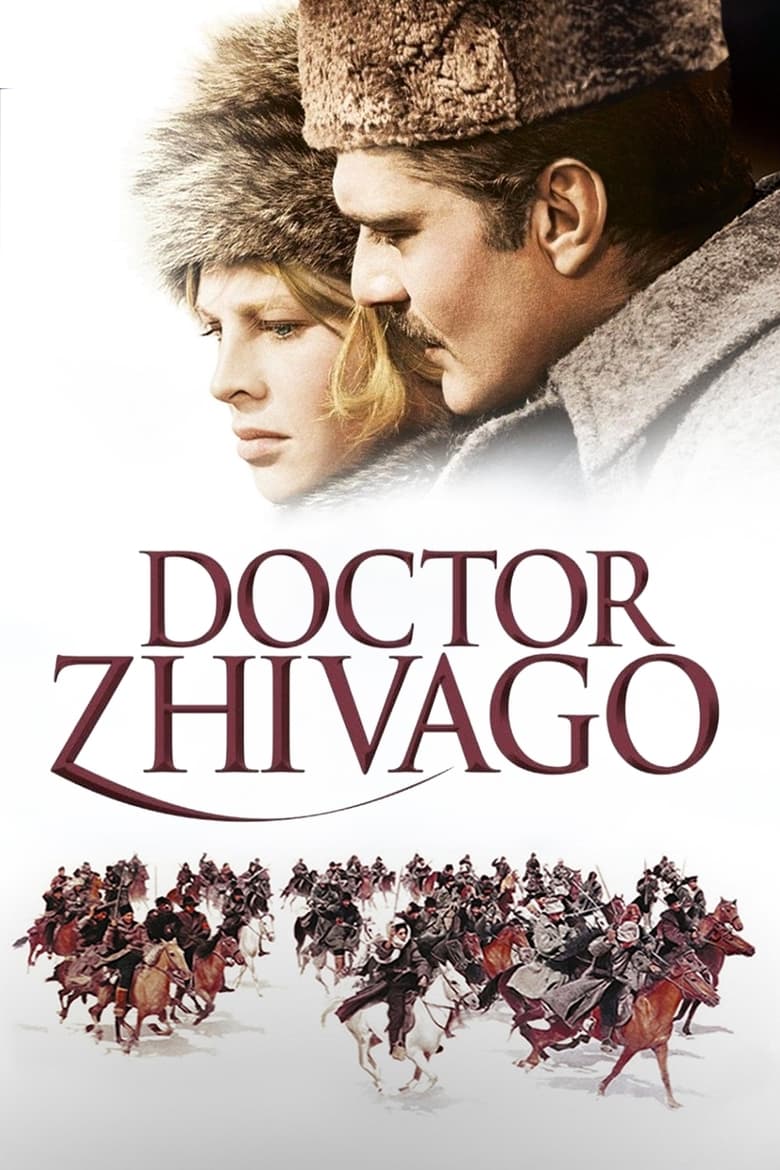
Let's talk about the sheer, unadulterated audacity of what David Lean pulled off with this one. You look at those sweeping, snow-drenched landscapes and assume some magical winter wonderland was captured on celluloid, that the production company packed up and headed somewhere gloriously frozen for months on end. The reality is far more hazardous, and honestly, far more fascinating. I recently read up on how they achieved that frosty, magical aesthetic, only to discover it was a terribly dangerous, highly unsafe mixture of melted beeswax and silica dust, blasted across a stiflingly hot Spanish set. Think about that for a second. A team of people, baking in the Spanish heat, manufacturing a fake blizzard out of genuinely hazardous materials, all in the name of visual grandeur. It is a staggering example of old-school commitment, prioritising spectacle over basic health and safety. And you know what? The result is undeniably magical, creating a frozen, romanticised Russia that leaps off the screen with breathtaking clarity.
When the film is firing on all cylinders, it is a genuine spectacle. Omar Sharif's soulful, weary portrayal of the titular poet and physician anchors the whole thing beautifully. There is a quiet sadness in his eyes throughout, a man perpetually caught between duty and desire, between the personal and the political, and Sharif carries that weight with real grace. Fair play to Alec Guinness as well, who brings a cracking, grounded gravitas to his role, effortlessly holding the screen whenever he appears. These are performances that remind you why this era of Hollywood filmmaking produced some of the most watchable work ever committed to film. Couple all of that with Maurice Jarre's sweeping, beautiful score, and there are moments where the sheer romantic sweep of the picture completely washes over you. You stop thinking critically and just let it happen. I can absolutely see why this sits so high on so many must-watch lists.
But I have to be honest about the thing that drags it down, because pretending otherwise would be doing you a disservice: the length. Clocking in at well over three hours, the runtime becomes a serious test of endurance, and not always in a rewarding way. Now, I have no issue with a long film when it earns it. I think The Good, the Bad and the Ugly earns every single sprawling minute, and I feel the same way about Lean's own The Bridge on the River Kwai, which keeps you gripped from beginning to end. Doctor Zhivago, unfortunately, does not sustain that grip. The pacing frequently stalls, particularly through the middle act, which feels stretched so thin you start to feel the chair beneath you. The romantic entanglements begin to loop back on themselves, and the epic scale occasionally works against the intimate human story it is trying to tell. Big landscapes are one thing. But epic filmmaking lives and dies by whether you care about the people standing in front of them, and here your investment starts to fray well before the finale.
So where does that leave it? Somewhere genuinely complicated, if I am being straight with you. This is a film of magnificent highs and frustrating lulls, a picture ambitious enough to attempt something enormous and skilled enough to pull off huge chunks of it, but not disciplined enough to trim the excess. Lean crafted something visually stunning and emotionally alive, and it absolutely deserves its place in the history books. It is just not a clean, uncomplicated recommendation. It is a beautiful, exhausting sit-down that rewards patience but tests it simultaneously.
Three and a half stars. Go in with your eyes open, a comfortable sofa and a good few hours to spare, and there is plenty here worth experiencing.
Rating: ★★★½ | Year: 1965 | Watched: 2026-08-03
Where to watch
Watch in the UK
Rent: Apple TV Store · Rakuten TV · Amazon Video · Google Play Movies
Buy: Apple TV Store · Rakuten TV · Amazon Video · Google Play Movies
Physical: Amazon UK · Zavvi
Watch in the US
Rent: Amazon Video · Apple TV Store · Google Play Movies · YouTube
Buy: Amazon Video · Apple TV Store · Google Play Movies · YouTube
Physical: Amazon US
Affiliate disclosure: Movies With Macca may earn a small commission on purchases or subscriptions started via these links. It costs you nothing extra.