Dirty Harry (1971)

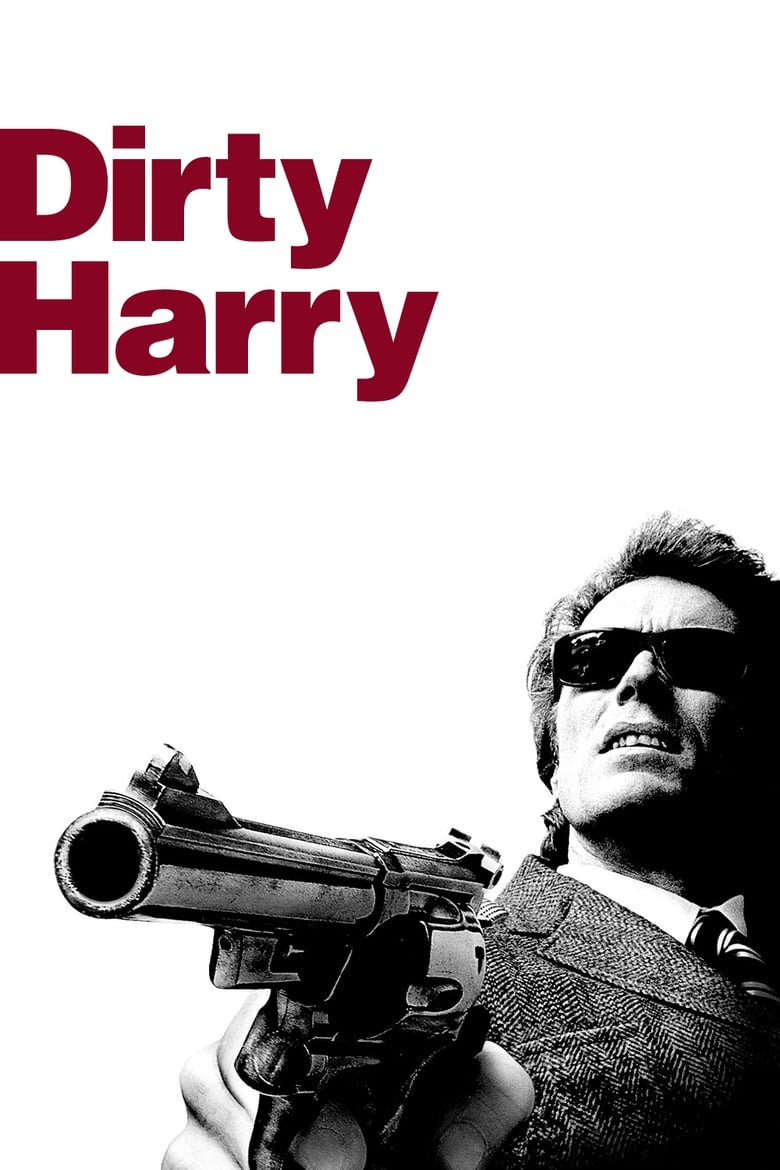
"Do I feel lucky? Well, do ya, punk?" Honestly, yeah. I just watched what is arguably one of the greatest cop films ever put to celluloid, and I came out the other side buzzing. That line has been quoted, parodied and imitated so many times over the decades that you'd think it might have lost its edge by now. It hasn't. Delivered by Clint Eastwood with that ice-cold, half-smiling menace, it still lands like a freight train.
Going in, I knew I was in for a piece of history. What I wasn't prepared for was just how effortlessly cool the whole picture is. Don Siegel's 1971 thriller moves with the kind of coiled, unhurried confidence that you only get when everyone involved genuinely knows what they're doing. It's sharply written, brilliantly acted, and I had absolutely no idea it had spawned an entire franchise until after the credits rolled. I'll be fixing that oversight sharpish.
Eastwood doesn't just play Inspector Harry Callahan. He practically invented the modern rule-bending maverick cop right here on the sun-baked streets of San Francisco. There's a stillness to his performance that's more threatening than any amount of shouting could ever be. That lingering, ice-cold stare of his does more heavy lifting than pages of dialogue. He barely needs to open his mouth, and yet every scene he's in crackles with tension. Having loved him in A Fistful of Dollars and The Good, the Bad and the Ugly, I knew he had this quality, but here it feels fully realised in a way that's genuinely special.
But it isn't only Eastwood carrying the thing. Fair play to Andy Robinson, whose portrayal of the deranged, psychotic sniper Scorpio is genuinely unsettling in the best possible way. He's twitchy, unpredictable and deeply unpleasant, which makes him the perfect counterweight to Callahan's blunt, stoic brand of justice. A cop thriller is only as good as its villain, and this one has a cracker.
What really gets me about the film, though, isn't just the grand iconic moments. It's the little details that Siegel and his team nailed so perfectly. The gunshot sound effects, for one thing, have a deafening, visceral crack that still makes you jump. There's also a brilliant throwaway moment during a robbery sequence where the getaway driver is nervously smoking, a massive pile of discarded cigarette butts already stacked up beside the car. It's a tiny character detail, almost throwaway, and yet it tells you everything. That exact gag was pretty much lifted directly for Blue Streak years later, which tells you everything you need to know about the footprint this film left on popular culture.
I should be honest about one thing, though. The casual, outdated racism that surfaces a few times is a genuine jolt to sit through today. It's very much a product of its era, and you do have to consciously separate that historical baggage from the craft on display. It doesn't sink the film, but it's worth flagging rather than pretending it isn't there.
Set against that caveat, what Siegel crafted here is a relentless, stylish and unapologetically tough thriller that completely redefined the police procedural genre. It's expertly paced, deeply entertaining, and it earns its legendary status with pretty much every single frame. The action sequences punch hard, the atmosphere is thick enough to cut, and the whole thing moves with a momentum that makes nearly two hours feel like ninety minutes.
Four stars. If you haven't revisited this one in a while, or somehow haven't seen it at all, do yourself a favour. Load up the .44 Magnum and get stuck in.
Rating: ★★★★ | Year: 1971 | Watched: 2026-07-22
Where to watch
Watch in the UK
Stream: HBO Max Amazon Channel · Sky Go · Now TV Cinema · HBO Max
Rent: Apple TV Store · Rakuten TV · Amazon Video · Google Play Movies
Buy: Apple TV Store · Rakuten TV · Amazon Video · Google Play Movies
Physical: Amazon UK · Zavvi
Watch in the US
Rent: Amazon Video · Apple TV Store · Google Play Movies · YouTube
Buy: Amazon Video · Apple TV Store · Google Play Movies · YouTube
Physical: Amazon US
Affiliate disclosure: Movies With Macca may earn a small commission on purchases or subscriptions started via these links. It costs you nothing extra.