Bloodsport (1988)

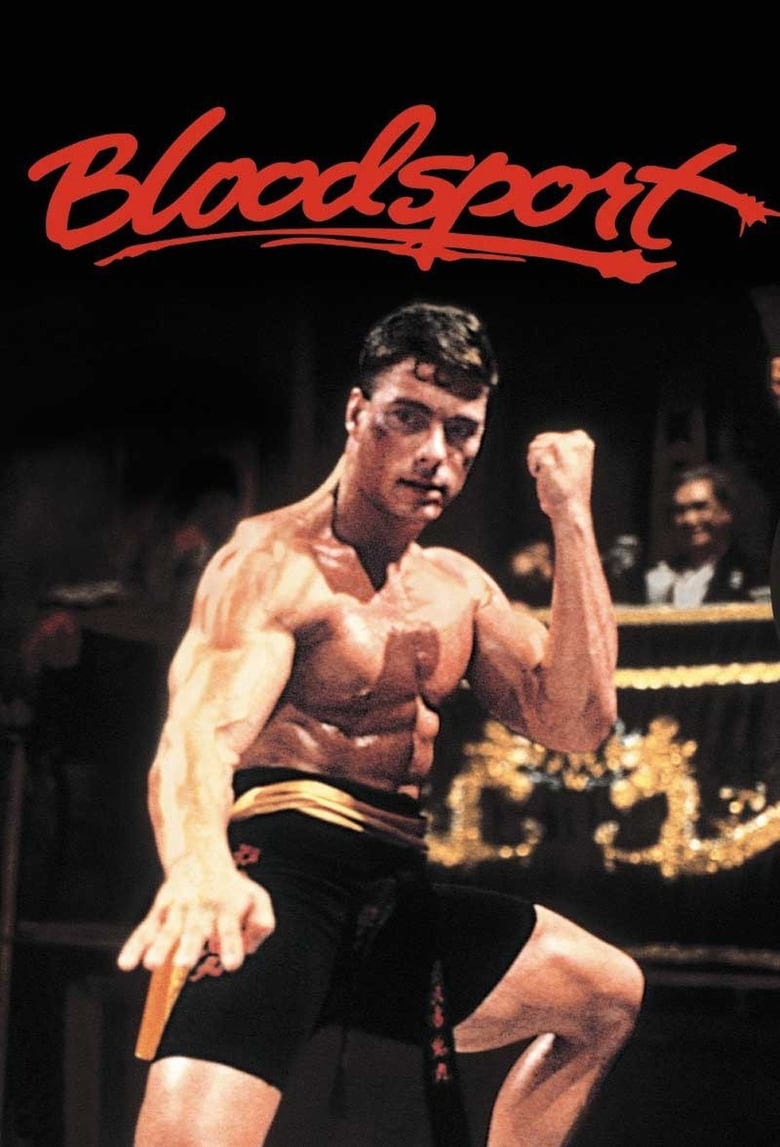
The reputation arrives before the film does. You hear "Bloodsport" and you picture Van Damme in his prime, doing the splits between two chairs, Bolo Yeung thumping his own chest like a man possessed, and a tournament so brutal and underground it makes the UFC look like a parish hall bingo night. The mythology is enormous. The reality, when you finally sit down and press play, is considerably less so.
Let me be straight with you: this is a perfectly watchable, deeply average film that has been handed a legendary status it hasn't quite earned. Newt Arnold's 1988 martial arts picture is the kind of thing that plays brilliantly in your memory, or at two in the morning surrounded by mates and takeaway containers, but holds up far less well under any kind of proper scrutiny. Strip away the nostalgia and the midnight movie hype, and what you've actually got is a functional piece of genre cinema coasting on the physical charisma of its lead and not a great deal else.
The action, since that's presumably why you're here, is fine. Genuinely fine. Van Damme throws high kicks with real conviction, does the splits with a frequency that borders on compulsive, and the final bout with Yeung has a certain brute-force charge to it. But here's the problem: the moment you start measuring it against the genuine giants of martial arts cinema, Bloodsport shrinks to almost nothing. I've watched Crouching Tiger, Hidden Dragon and felt every exchange of blows as something almost poetic. Here, the choreography is stiff, frequently reliant on quick cuts to paper over limitations, and miles from the fluid invention of Jackie Chan, the raw philosophical weight of Bruce Lee, or the blistering precision of Jet Li. When you've seen the best, competent stops feeling like enough.
And then there's everything that happens when people aren't kicking each other in the head, which is, unfortunately, a lot of the running time. The dialogue is so aggressively hammy that it tips into unintentional comedy on a regular basis, delivered with total sincerity by a cast that seems to have been directed to treat absolute nonsense as Shakespearean drama. I can live with that, honestly. Cheesy dialogue is part of the contract with films like this. What I can't forgive so easily is the pacing. The fight sequences, the only genuine reason to be watching, are spaced so far apart that you spend huge stretches sitting through tournament preparation, locker-room posturing, and a romantic subplot that goes nowhere and adds nothing. It's a lot of filler dressed up as plot.
Bolo Yeung is, to his credit, a genuinely unsettling physical presence. He radiates menace the way a furnace radiates heat, and he brings the same terrifying, chest-baring energy here that he brought to Enter the Dragon. Every scene he's in has a bit more electricity to it. But a villain being compelling isn't the same thing as a film being good, and Bloodsport never quite works out how to build the tension between him and Van Damme into something that actually lands with real dramatic weight by the time the finale arrives.
There's a version of this film that exists in the collective imagination, and it's brilliant. It launched Van Damme into something approaching stardom, defined a very specific flavour of late-80s action, and clearly meant a huge amount to a generation of lads who caught it on VHS at exactly the right age. I get all of that. I'm not trying to take anyone's childhood memories off them. But watching it now, without that freight of nostalgia, it's hard not to feel like you've been sold something that doesn't quite match the packaging. If you're after a proper martial arts film from the same era with genuine style and ambition, something like A Better Tomorrow will serve you far better.
Bloodsport is worth a watch if you're specifically in the market for 80s cheese and you know what you're signing up for. As a martial arts epic, though, it's a middling experience that gets by on personality rather than craft. Two and a half stars, and I'm being generous for the splits alone.
Rating: ★★½ | Year: 1988 | Watched: 2026-07-21
Where to watch
Watch in the UK
Stream: MGM Plus Amazon Channel
Rent: Apple TV Store · Amazon Video · Sky Store
Buy: Apple TV Store · Amazon Video · Google Play Movies · Sky Store
Physical: Amazon UK · Zavvi
Watch in the US
Stream: fuboTV · MGM+ Amazon Channel · Philo · MGM Plus Roku Premium Channel
Rent: Amazon Video · Apple TV Store · Fandango At Home · Plex
Buy: Amazon Video · Apple TV Store · Google Play Movies · YouTube
Physical: Amazon US
Affiliate disclosure: Movies With Macca may earn a small commission on purchases or subscriptions started via these links. It costs you nothing extra.