Turtles Can Fly (2004)

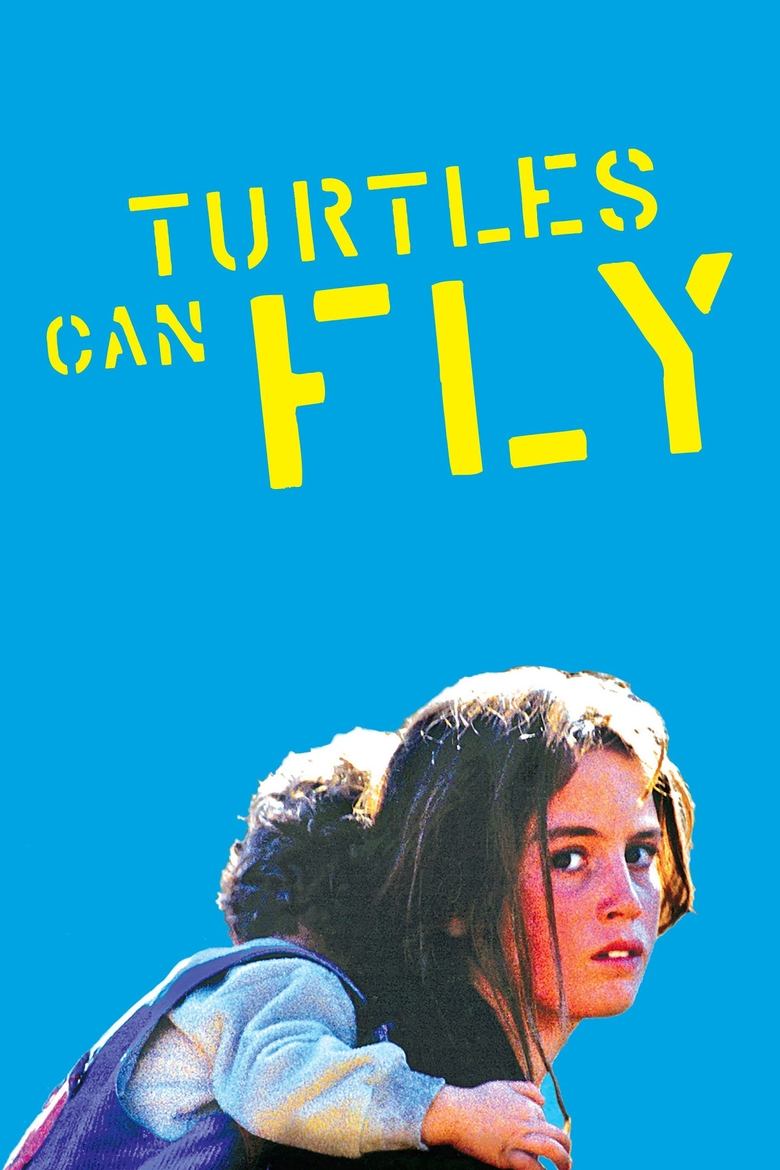
One of the most devastating pieces of cinema I have ever experienced. That is not hyperbole, and I want to be upfront about that before we go any further. Bahman Ghobadi's Turtles Can Fly is the kind of film that sits in your chest long after the credits roll, the kind that makes you stare at the ceiling that night running scenes back through your head. It is, without exaggeration, a masterpiece.
Set in a Kurdish refugee camp near the Turkey-Iraq border on the eve of the 2003 invasion, the film follows a group of young children scraping out a living by collecting and selling unexploded landmines while they wait for the Saddam regime to fall. Read that sentence back. These are kids. And this is their day. Ghobadi roots the whole thing in such a specific, lived-in reality that it never feels like misery tourism or political point-scoring. It feels like bearing witness.
What keeps the film from becoming purely oppressive is the extraordinary performance at its centre. Soran Ebrahim plays "Satellite", the charismatic, fast-talking ringleader of the mining kids, and he is nothing short of brilliant. There is a real complexity to the performance, capturing that painful duality of a child who has had to grow up far too quickly but who still bickers, schemes, and shows off with the unmistakable energy of youth. He holds the film together, and because of him, Turtles Can Fly manages something remarkable: it is, in places, genuinely funny. Not in a way that undercuts the tragedy, but in a way that makes it hit harder when the darkness arrives. These kids joke and squabble and dream, just as kids do anywhere, and that makes what the film asks of them feel all the more unbearable.
The comparisons that kept surfacing in my mind while watching were instructive. There is an adventurous, ragtag camaraderie to the group dynamic that occasionally calls to mind Stand By Me, but set against an infinitely bleaker and more perilous backdrop. Then the emotional gut-punches land, and the film tilts into territory closer to Grave of the Fireflies, devastating in ways I will not spoil here but which will absolutely stay with you. Ghobadi is doing something similar to what Nadine Labaki did with Capernaum, putting children at the sharp end of geopolitical catastrophe and refusing to let the audience look away. Both films are harrowing, both demand to be seen, and both leave a mark.
What Ghobadi achieves tonally is remarkable. This is a war film and a coming-of-age story and a piece of urgent political commentary all at once, and none of those modes feel awkward or grafted on. The grit is always there, but so is the warmth. The landscape is desolate and scarred, the circumstances are horrifying, and yet there are moments of such tenderness and dark comic spirit that you remember, very painfully, that you are watching children. That is the point. These are the youngest victims of conflicts that rarely pause to consider them at all.
I will be honest: this is not a film you will rush to rewatch. It is emotionally exhausting in the way that only truly committed, unflinching storytelling can be. But that exhaustion is earned, and it is the correct response to what Ghobadi has made. The film demands a new perspective, an uncomfortable one, and it earns every difficult moment. The child cast, working with what feels like raw instinct rather than polished technique, give the whole thing an authenticity that no amount of studio polish could replicate.
Four stars. Harrowing, empathetic, deeply important and brilliantly realised. If you care about world cinema, about stories that capture lives usually ignored by the big screen, Turtles Can Fly is an absolute must.
Rating: ★★★★ | Year: 2004 | Watched: 2026-07-09
Trailer
▶ Watch the official trailer for Turtles Can Fly (2004) on YouTube